

As more families in Pearland, TX and the South Houston area look for ways to support aging loved ones, one goal consistently rises to the top: helping seniors remain independent in the comfort of their own homes for as long as possible. Independence is more than just staying at home, it’s about maintaining dignity, routine, and a sense of control over daily life while still having the right level of support when needed.
In communities like Pearland, TX and nearby South Houston, many older adults are choosing to age in place as long as safety and health allow. With a strong network of family support, local healthcare providers, and in-home care services, seniors in the area have more options than ever to continue living independently without sacrificing well-being.
However, staying at home safely over time often requires thoughtful planning. From fall prevention and medication management to companionship and help with daily routines, the right combination of support can make a major difference. This guide explores practical strategies families can use to help seniors maintain independence longer while ensuring they remain safe, comfortable, and connected to their community.
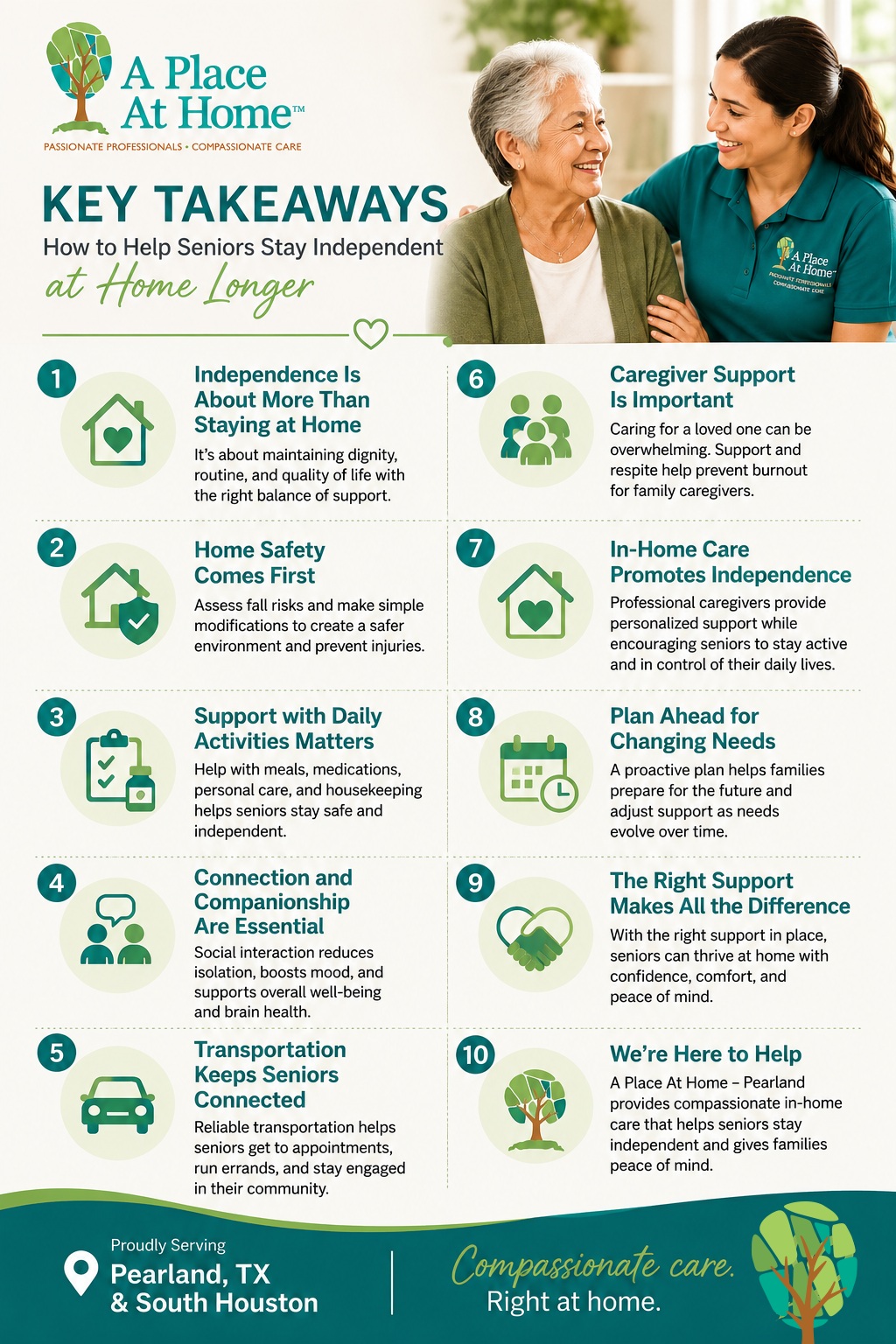
Key Takeaways
- Helping seniors stay independent at home is about more than remaining in the house – it’s about preserving dignity, routine, and quality of life.
- Many older adults in Pearland and South Houston can safely age in place with the right balance of support and independence.
- Fall prevention, home safety modifications, and accessibility updates can significantly reduce risks and extend independent living.
- Assistance with daily activities like meal preparation, transportation, medication reminders, and housekeeping can help seniors remain safe without taking away autonomy.
- Social connection and companionship are essential for emotional well-being and can help reduce isolation, depression, and cognitive decline.
- Transportation support helps seniors stay connected to medical care, errands, and community activities throughout the Pearland and South Houston area.
- Caregiver burnout is common when families try to manage increasing care needs alone, making outside support important for both the senior and caregiver.
- Professional in-home care supports independence by providing personalized assistance while encouraging seniors to remain engaged in their daily routines.
- Creating a long-term aging-in-place plan allows families to prepare for changing needs before a crisis occurs.
- A Place At Home – Pearland provides compassionate in-home care services that help seniors age safely and comfortably at home while giving families peace of mind.
Understanding What “Independent Living” Really Means
When families talk about helping seniors “stay independent,” it’s easy to assume that simply remaining in their own home is the main goal. But true independence goes much deeper than location. Independent living is really about maintaining control, choice, and dignity in daily life, even when some level of support becomes necessary.
For older adults in communities like Pearland, TX and South Houston, independence often means being able to continue familiar routines, make personal decisions, and stay connected to their surroundings while still having help available when needed. It’s not about doing everything alone, it’s about doing as much as possible safely and comfortably.
Defining Independence Beyond Just Living Alone
Living independently does not mean a senior must handle every task without assistance. Many older adults who live alone still rely on family members, neighbors, or caregivers for specific needs. Independence is better defined by the ability to make choices about daily life such as what to eat, when to sleep, how to spend time, rather than managing every responsibility without help.
In fact, the right support often strengthens independence by reducing stress and preventing avoidable risks.
Balancing Autonomy with Necessary Support
One of the most important aspects of aging in place is finding the right balance between autonomy and assistance. Too much help can feel limiting, while too little can lead to safety concerns. The goal is to provide just enough support to keep seniors safe while still allowing them to remain active participants in their own routines.
This might include help with tasks like meal preparation or transportation, while still encouraging seniors to manage personal hobbies, light chores, or decision-making whenever possible. Striking this balance helps preserve confidence and a sense of purpose.
Common Challenges Seniors Face at Home
As seniors age, certain challenges can make independent living more difficult without added support:
- Mobility limitations: Reduced strength, balance issues, or joint pain can make walking, climbing stairs, or bathing more difficult and increase fall risk.
- Memory changes: Forgetting medications, appointments, or daily tasks can impact health and safety.
- Chronic health conditions: Conditions like diabetes, arthritis, or heart disease often require ongoing monitoring and care routines.
- Fatigue or reduced stamina: Everyday tasks such as cooking or cleaning may become more physically demanding over time.
Recognizing these challenges early allows families to adjust support gradually, helping seniors continue living safely at home without feeling overwhelmed or losing their independence prematurely.
Assessing Home Safety and Accessibility
A safe home environment is one of the most important foundations for helping seniors maintain independence. Even when an older adult is physically and mentally capable of managing daily life, hidden hazards around the home can increase the risk of injury and quickly limit their ability to stay independent. That’s why a careful home safety assessment is often one of the first steps in supporting aging in place.
Identifying Fall Risks in the Home
Falls are one of the most common reasons seniors lose independence. Many risks are easy to overlook because they are part of everyday surroundings:
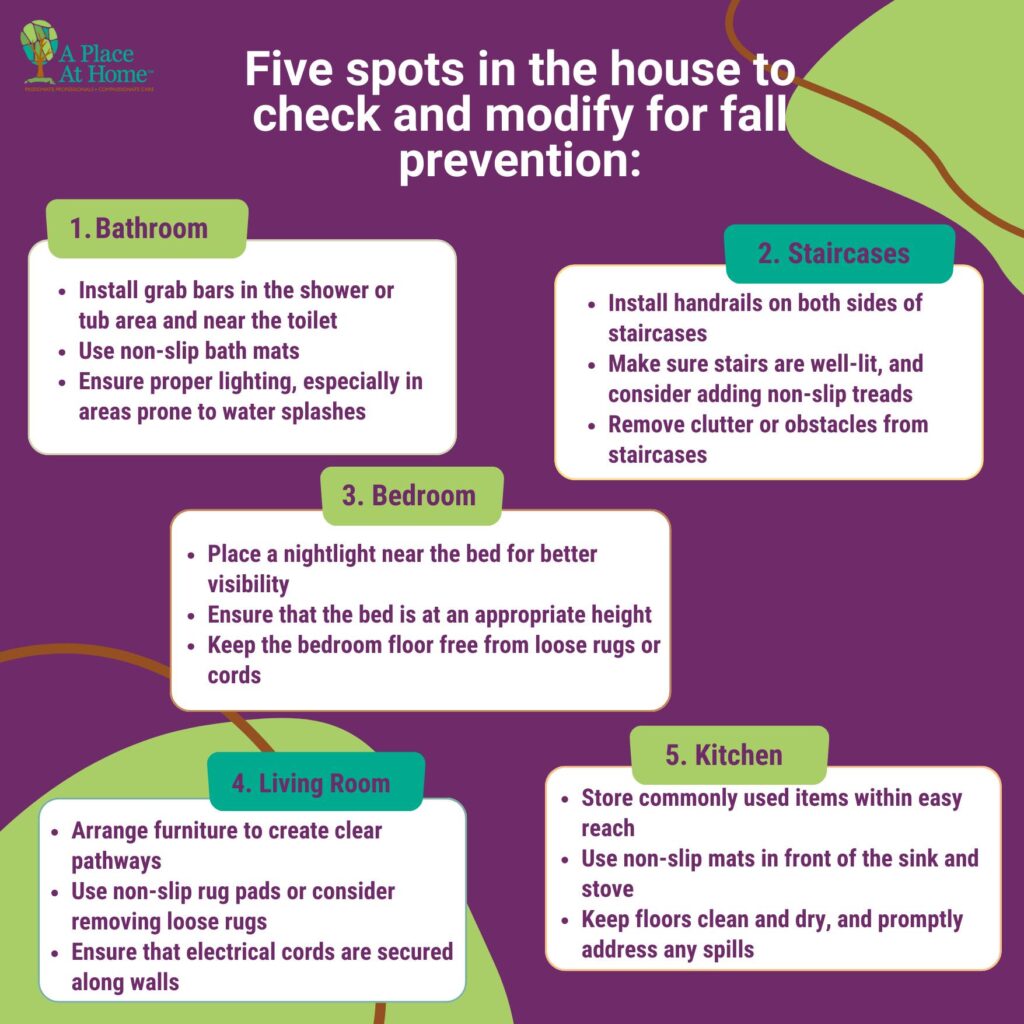
- Bathrooms: Slippery tubs, wet floors, and low toilet seats can create serious hazards.
- Stairs: Uneven steps, lack of handrails, or poor lighting increase the risk of missteps.
- Lighting: Dim hallways, staircases, or entryways can make it difficult to see obstacles.
- Rugs and clutter: Loose rugs, cords, or crowded walkways can easily cause trips and falls.
A simple walk-through of the home with safety in mind can reveal many of these risks before an accident occurs.
Simple Home Modifications Make a Big Difference
The good news is that many safety improvements are straightforward and affordable. Small changes can significantly reduce risk while helping seniors feel more confident moving around their home:
- Installing grab bars in bathrooms near toilets and showers
- Adding handrails on both sides of staircases where possible
- Improving lighting, especially in hallways, bedrooms, and entryways
- Securing or removing loose rugs and keeping walkways clear
- Using non-slip mats in bathrooms and kitchens
These adjustments help create a safer environment without requiring major renovations.
When to Consider More Significant Accessibility Updates
As mobility needs change, some homes may require larger modifications to remain safe and functional. These updates are especially important when stairs, narrow doorways, or multiple levels become difficult to manage.
In these cases, families may consider:
- Ramps for wheelchair or walker access at entrances
- Stair lifts to safely navigate multi-level homes
- Walk-in showers or tub conversions to reduce fall risk
- Widened doorways to accommodate mobility aids
While these changes require more planning and investment, they can dramatically extend a senior’s ability to remain safely in their home.
By proactively addressing both small and large safety concerns, families can help create an environment that supports independence rather than limits it.
Supporting Daily Living Activities (Without Taking Over)
One of the most important parts of helping seniors stay independent is providing support with daily tasks in a way that preserves dignity and encourages continued ability. The goal is not to do everything for them, but to step in where needed while still allowing seniors to remain active participants in their own routines.
In communities like Pearland, TX and South Houston, many families find that a balanced approach to daily living support makes it possible for older adults to remain at home longer, safely and comfortably.
Bathing, Dressing, and Grooming Assistance Strategies
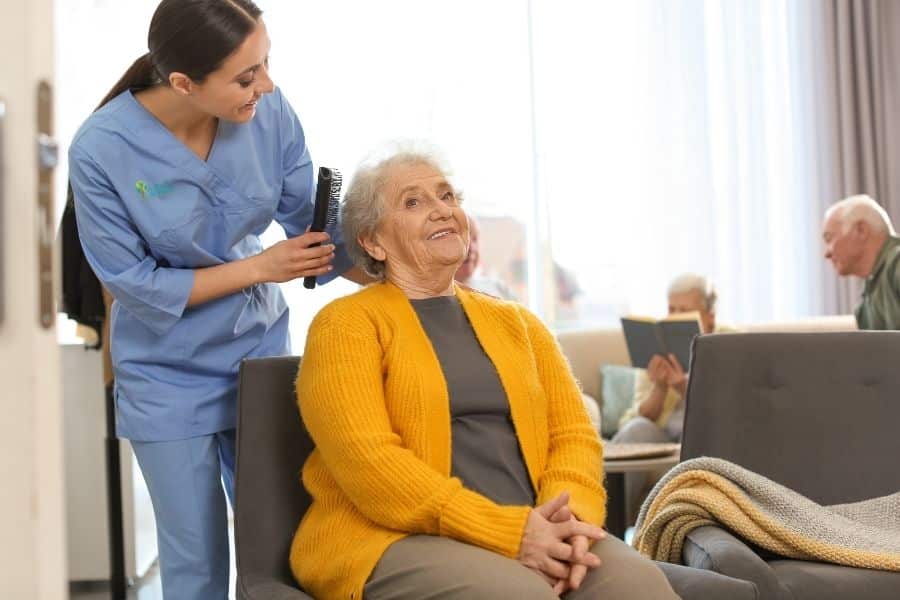
Personal care tasks can become more challenging with age due to mobility limitations, arthritis, or balance concerns. These activities are also deeply personal, so maintaining respect and comfort is essential.
Support might include:
- Helping set up a safe bathing environment (non-slip mats, grab bars, shower chairs)
- Offering standby assistance rather than full physical help when possible
- Preparing clothing in advance to simplify dressing
- Encouraging routines that allow seniors to complete parts of the process independently
Even small levels of assistance can reduce risk while still preserving privacy and independence.
Meal Preparation and Nutrition Support
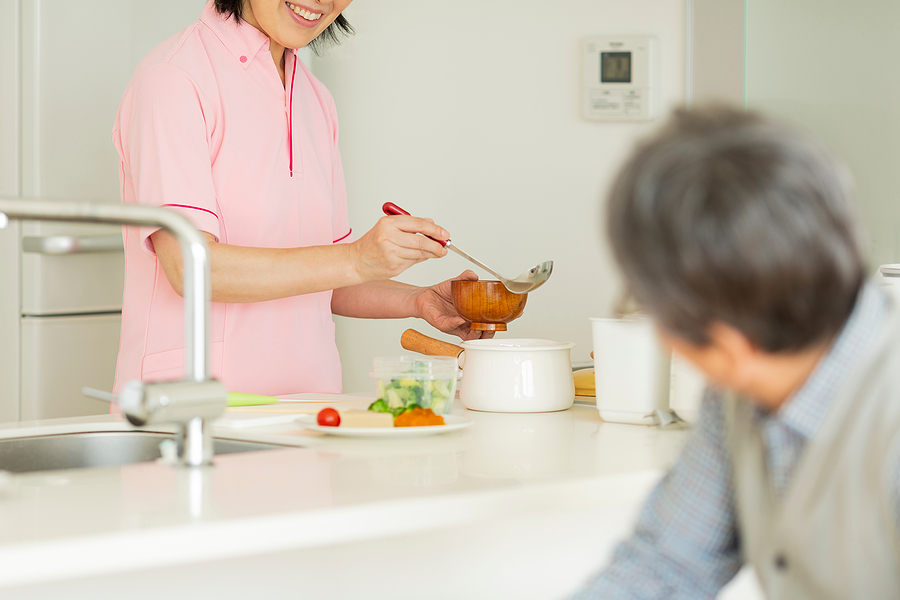
Proper nutrition plays a major role in maintaining strength and overall health, but cooking can become difficult or unsafe for some seniors.
Helpful strategies include:
- Preparing meals in batches to reduce daily effort
- Ensuring easy-to-access, healthy snack options are available
- Assisting with grocery planning and shopping
- Encouraging hydration and balanced meals throughout the day
In many cases, seniors can still participate in meal preparation in simple ways, such as washing vegetables or choosing menu options, which helps maintain a sense of control and routine.
Light Housekeeping and Maintaining a Safe Environment
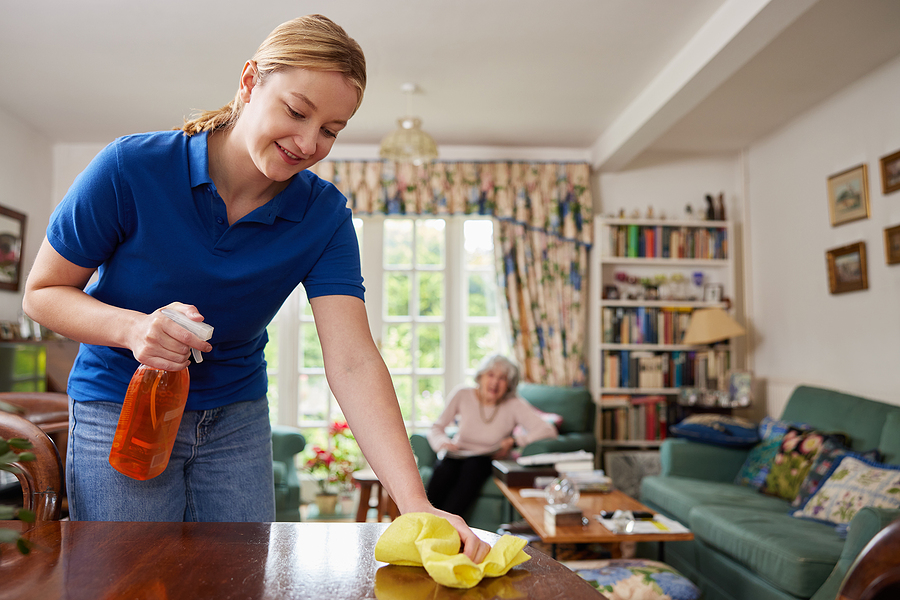
A clean, organized home is essential for safety and independence. However, tasks like vacuuming, laundry, or bending to clean low areas can become physically demanding.
Support may include:
- Light cleaning of high-risk areas like bathrooms and kitchens
- Laundry assistance, especially with carrying or folding
- Taking out trash and reducing clutter in walkways
- Maintaining clear, hazard-free living spaces
These efforts not only improve safety but also reduce stress and fatigue for seniors.
Encouraging Seniors to Do What They Can Independently
Perhaps the most important principle is encouraging independence whenever possible. Even if tasks take longer or require small adjustments, allowing seniors to participate helps maintain confidence, physical ability, and emotional well-being.
Families and caregivers can support this by:
- Offering choices instead of completing tasks automatically
- Breaking activities into smaller, manageable steps
- Providing gentle encouragement rather than stepping in too quickly
- Recognizing and respecting personal routines and preferences
When support is balanced thoughtfully, seniors are more likely to stay engaged in their daily lives, which is key to long-term independence at home.
Health Management and Medication Safety
Managing health needs effectively is one of the most important factors in helping seniors remain independent at home. Even when older adults are otherwise capable of handling daily life, medication routines, medical appointments, and subtle health changes can become increasingly difficult to track without support. A simple oversight in this area can quickly lead to complications that impact safety and independence.
Building a consistent and reliable health management routine is often key to helping seniors stay at home longer.
Organizing Medications to Prevent Missed or Double Doses
Medication errors are one of the most common and preventable risks for older adults. With multiple prescriptions, changing dosages, or complex schedules, it’s easy for confusion to occur.
Helpful strategies include:
- Using a clearly labeled pill organizer with daily or weekly compartments
- Creating a simple medication schedule chart that is easy to read and follow
- Setting alarms or reminders for dosing times
- Regularly reviewing prescriptions with a pharmacist or healthcare provider
In some cases, family members or caregivers may also help with medication reminders or oversight to ensure consistency and safety.
Keeping Track of Appointments and Follow-Ups
Routine medical care is essential for managing chronic conditions and preventing small issues from becoming serious problems. However, keeping up with appointments can become overwhelming.
Support strategies may include:
- Maintaining a shared calendar system (paper or digital) for appointments
- Coordinating transportation to and from medical visits
- Writing down questions or concerns before doctor visits
- Tracking follow-up instructions after each appointment
This level of organization helps ensure nothing important is missed and reduces stress for both seniors and families.
Recognizing Early Signs of Health Changes
Early detection of health changes can make a significant difference in outcomes. Subtle shifts in behavior or physical condition should not be overlooked.
Families and caregivers should watch for:
- Increased confusion or memory issues
- Changes in appetite or weight
- New or worsening fatigue
- Difficulty with mobility or balance
- Mood changes such as withdrawal or irritability
Noticing these signs early allows for quicker medical attention and can help prevent more serious health concerns.
The Role of Caregivers in Supporting Routine Health Care
Caregivers play a vital role in maintaining consistent health routines without taking away a senior’s independence. Their support often acts as a safety net, ensuring that important tasks are completed correctly and on time.
This may include:
- Providing medication reminders or assistance
- Accompanying seniors to medical appointments
- Communicating changes in condition to family members or healthcare providers
- Helping implement physician recommendations at home
With the right support in place, seniors can better manage their health while continuing to live safely and confidently in their own homes.

Reducing Isolation and Supporting Emotional Well-Being
Helping seniors stay independent at home isn’t just about physical safety and daily routines, it also depends heavily on emotional well-being. Social connection plays a major role in overall health, and isolation can quietly undermine a senior’s ability to remain independent, even when they are physically capable of managing at home.
In communities like Pearland, TX and South Houston where families may be spread out or busy with work and responsibilities, ensuring consistent social engagement for older adults is especially important.
Importance of Social Connection for Aging Adults
Regular interaction with others is essential for mental and emotional health. Social engagement helps seniors stay mentally sharp, maintain a positive outlook, and feel a sense of purpose in their daily lives.
Without it, older adults are more likely to experience:
- Depression or anxiety
- Cognitive decline
- Loss of motivation for daily self-care
- Reduced physical activity
Simply put, staying socially connected can directly influence a senior’s ability to remain independent at home.
Encouraging Community Involvement in the Pearland/South Houston Area
Local community engagement can be a powerful way to keep seniors active and connected. Even small outings or regular participation in local activities can make a meaningful difference.
Families may encourage involvement in:
- Senior centers and community programs
- Faith-based gatherings or local church groups
- Recreational activities like walking clubs or hobby groups
- Local events, libraries, or volunteer opportunities
These activities not only provide social interaction but also help seniors maintain routines outside the home, which supports both mental and physical health.

Companionship Care and Regular Engagement Activities
For seniors who have limited mobility or difficulty getting out of the house, companionship becomes even more important. Regular interaction, whether through family, friends, or professional caregivers, can help prevent feelings of loneliness and isolation.
Companionship support may include:
- Friendly conversation and emotional support
- Playing games, reading, or sharing hobbies
- Accompanying seniors on walks or light outings
- Encouraging participation in enjoyable daily routines
This type of care focuses on connection, not just tasks, and can significantly improve quality of life.
Addressing Loneliness and Its Impact on Health
Loneliness is more than an emotional concern, it can have real physical consequences. Studies have linked prolonged isolation to increased risks of heart disease, cognitive decline, and weakened immune function.
Recognizing and addressing loneliness early is an important part of supporting long-term independence. Regular check-ins, meaningful engagement, and consistent companionship help ensure that seniors remain not only safe at home, but also emotionally supported and socially connected.
Transportation and Staying Connected to the Community
Reliable transportation is often one of the most overlooked factors in helping seniors maintain independence at home. Even when older adults are otherwise capable of managing daily life, losing the ability to safely drive, or simply feeling less confident behind the wheel, can quickly lead to isolation and missed appointments. Without consistent transportation support, independence at home becomes much harder to sustain.
Having access to safe and dependable travel options plays a major role in staying active, healthy, and connected to the community.
Helping Seniors Get to Medical Appointments and Errands
Medical care is a cornerstone of healthy aging, and missing appointments can lead to serious setbacks. Transportation challenges often result in delayed care or skipped visits altogether.
Support in this area may include:
- Providing rides to doctor, dental, or therapy appointments
- Assisting with check-in and mobility at medical facilities
- Coordinating transportation schedules in advance to reduce stress
- Helping with errands such as grocery shopping or pharmacy visits
This type of assistance ensures that essential needs are consistently met while reducing pressure on both seniors and family caregivers.
Local Transportation Options in the Pearland and South Houston Region
While many seniors rely on family for transportation, there are also community-based and regional services that can help fill the gap. Options may include:
- Local paratransit or senior ride programs through city or county services
- Non-emergency medical transportation providers
- Rideshare services that can be scheduled or assisted by family members
- Community volunteer driver programs offered through local organizations or faith groups
These resources can help seniors maintain independence even when personal driving is no longer a safe option.
Maintaining Independence Through Safe Mobility Support
Transportation is about more than just getting from one place to another, it’s about maintaining freedom, routine, and connection to the world outside the home. When seniors can safely attend appointments, visit friends, or participate in community activities, their overall quality of life improves significantly.
Safe mobility support may include planning routes, offering door-to-door assistance, or providing accompaniment for added security and comfort. With the right transportation solutions in place, seniors can continue to engage with their community confidently while remaining safely in their own homes.
When Family Care Isn’t Enough
Many families do everything they can to help an aging loved one remain at home, and for a long time, informal support from relatives is enough to maintain safety and stability. However, as needs increase, there often comes a point where family care alone is no longer sufficient to provide consistent, comprehensive support.
This transition is especially common as seniors age in place in long-term family homes and health needs gradually become more complex.

Signs Increased Support May Be Needed
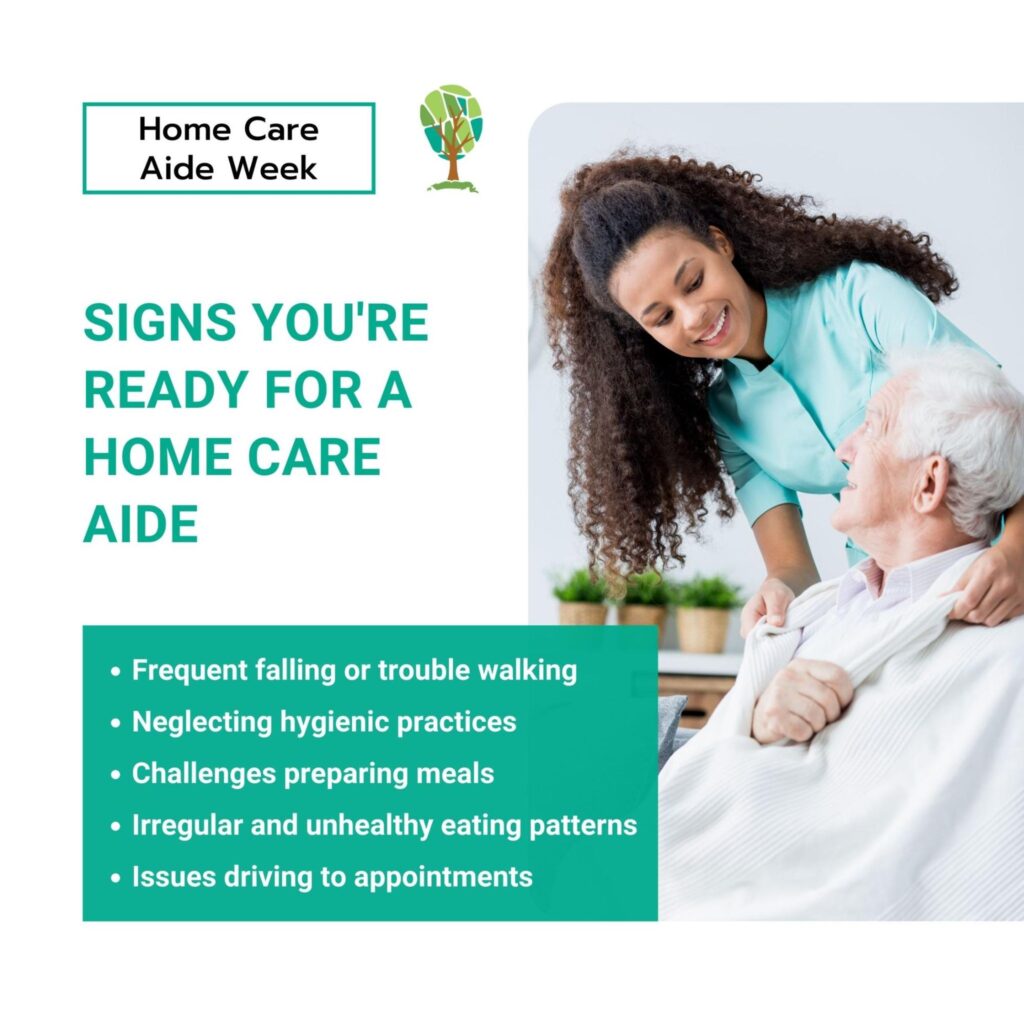
It’s not always obvious when additional help is necessary, but certain patterns can signal that a senior’s needs are beginning to exceed what family caregivers can safely manage on their own:
- Frequent forgetfulness with medications or appointments
- Noticeable decline in personal hygiene or household upkeep
- Increased falls or near-fall incidents
- Missed meals or poor nutrition habits
- Growing confusion, especially with routine tasks
- Increased reliance on family for basic daily activities
When these signs appear more consistently, it may indicate that a higher level of structured support is needed to maintain safety and independence at home.
Caregiver Burnout and Its Warning Signs
Family caregivers often take on a significant emotional and physical load, especially when balancing care with work and other responsibilities. Over time, this can lead to caregiver burnout, which not only affects the caregiver’s well-being but also impacts the quality of care being provided.
Common warning signs include:
- Constant fatigue or feeling overwhelmed
- Increased stress, irritability, or frustration
- Difficulty managing personal responsibilities or work
- Feelings of guilt or helplessness
- Neglecting personal health or social needs
Burnout is a clear signal that additional support is needed, not just for the senior, but for the caregiver as well.
Understanding When to Bring In Professional In-Home Care
Professional in-home care can bridge the gap between family support and full-time facility care, allowing seniors to remain safely at home while receiving consistent assistance tailored to their needs.
Bringing in professional care may be appropriate when:
- Care needs become too time-consuming or complex for family members
- Safety concerns increase despite home adjustments
- Caregivers need regular respite to avoid burnout
- Seniors would benefit from consistent companionship and routine support
In-home caregivers can provide help with daily activities, safety monitoring, companionship, and personal care, helping ensure that seniors continue to live with dignity and comfort while reducing stress on family members.

How Professional In-Home Care Supports Independence
Professional in-home care can play a major role in helping seniors remain safely and comfortably in their own homes for as long as possible. Instead of replacing independence, it reinforces it, offering support where needed while encouraging seniors to stay engaged in their daily routines. For families in Pearland, TX and South Houston, it provides a practical, flexible option as care needs evolve over time.
Personalized Support That Fits Individual Needs
Care is never one-size-fits-all. A personalized care plan is created based on the senior’s health conditions, mobility level, daily habits, and personal preferences. This ensures support is focused and respectful of the individual’s independence, rather than unnecessarily taking over tasks they can still manage.
Encouraging Independence, Not Replacing It
A key philosophy of in-home care is helping seniors do what they can for themselves while providing assistance where it’s truly needed. Caregivers often break tasks into smaller steps, offer reminders, or provide standby support, allowing seniors to remain active participants in their own care and daily life.
Common Services That Make Daily Living Easier
In-home care can include a range of non-medical support services such as personal care (bathing, dressing, grooming), companionship, respite care for family caregivers, meal support, light housekeeping, and basic safety monitoring. These services work together to create a safer and more manageable home environment.
Benefits for Seniors and Family Caregivers
For seniors, in-home care offers consistency, companionship, and added safety while preserving familiar routines. For family members, it provides relief from constant caregiving responsibilities and helps reduce stress and burnout. Together, this support system makes it easier for seniors to age in place with dignity and for families to feel confident in their loved one’s care.
Creating a Long-Term Aging-in-Place Plan
Helping a senior stay independent at home works best when there is a plan in place before a crisis occurs. Needs tend to change gradually, and planning ahead allows families to make thoughtful adjustments over time instead of rushing decisions during an emergency.
In communities like Pearland, TX and South Houston where many seniors prefer to remain in long-term family homes, proactive planning can make aging in place safer and more sustainable.
Planning Ahead Instead of Reacting to Crises
Waiting until a fall or health emergency happens can limit options. A long-term plan helps families think through safety needs, care preferences, and home modifications in advance, so support is already in place when it’s needed.
Regular Reassessment of Needs
Aging is not static, so care plans should be reviewed regularly. Families should watch for changes in mobility, memory, daily functioning, and social engagement to ensure support keeps pace with evolving needs.
Involving Family and Care Professionals
The best plans include input from family members and care professionals. Open communication helps coordinate support, reduce stress, and ensure the senior receives consistent, well-planned care while maintaining independence at home.
Elderly Home Care from A Place At Home
Helping a senior remain independent at home is rarely about a single solution, it’s about building the right combination of safety, support, and connection over time. From home modifications and daily living assistance to health management, social engagement, and transportation, each layer plays a role in helping older adults continue living comfortably and confidently in familiar surroundings.
For families in Pearland, TX and South Houston, the good news is that aging in place is more achievable than ever. With thoughtful planning and the right support system, seniors can maintain their dignity, routine, and independence while still receiving help where it matters most.
There may come a point when family support alone is no longer enough and recognizing that moment is an important part of protecting both the senior’s well-being and the caregiver’s health. Bringing in professional in-home care can provide the consistency, safety, and companionship needed to make aging in place sustainable long-term.
A Place At Home – Pearland offers personalized, non-medical elderly home care designed to help older adults continue living safely and independently in the comfort of their own homes. Our caregivers provide support with daily activities such as personal care while preserving dignity and independence by encouraging seniors to stay engaged in their routines. For families, this added support can reduce stress, prevent caregiver burnout, and provide peace of mind knowing their loved one is cared for with consistency, respect, and compassion.
If your loved one could benefit from extra support at home, our professional caregivers can help ensure that they age in place safely and comfortably. Call A Place At Home – Pearland at (346) 598-5947 to learn more.
FAQ
How can seniors stay independent at home longer?
Seniors can stay independent at home longer with the right balance of safety, support, and routine. This may include fall prevention, medication reminders, help with daily tasks, transportation, companionship, and professional in-home care when needed.
What are the biggest challenges seniors face when aging at home?
Common challenges include mobility issues, fall risks, memory changes, medication management, transportation limitations, household tasks, and loneliness. Recognizing these issues early can help families put the right support in place.
When should families consider in-home care for an aging parent?
Families should consider in-home care when an aging parent struggles with daily routines, has frequent falls, misses medications, becomes isolated, or needs more help than family members can safely provide on their own.
How does in-home care help seniors remain independent?
In-home care supports independence by helping seniors with tasks they find difficult while encouraging them to stay involved in their daily routines. Caregivers provide assistance without taking away control, dignity, or personal choice.
Why is companionship important for seniors aging at home?
Companionship helps reduce loneliness, supports emotional well-being, and keeps seniors socially engaged. Regular interaction can improve mood, encourage activity, and help older adults feel more connected and supported.