

Caring for an older adult is a meaningful but demanding responsibility, one that often leads to burnout if adequate support isn’t in place. In fact, more than 60 percent of caregivers report experiencing burnout, with symptoms ranging from depression to physical exhaustion and financial strain. Recognizing the early warning signs and taking proactive steps is essential to protecting a caregiver’s health and well-being.
The physical and emotional impact of caregiving can vary widely. According to the Family Caregiver Alliance, the greatest physical strain is experienced by caregivers who provide care for extended periods (typically over a year), are older themselves, or shoulder a higher level of responsibility. Women, who make up a large portion of caregivers, also tend to report higher levels of stress than their male counterparts.
Mental health challenges are especially common. Studies show that between 40 and 70 percent of caregivers experience symptoms of clinical depression, with risk increasing as the care recipient’s cognitive condition declines. Providing care for older adults with emotional or mental health issues can further intensify stress, often leading to a noticeable decline in the caregiver’s overall health.
If caregiving is starting to affect your own health or well-being, A Place At Home – Pearland, TX can help lighten the load with trusted in-home support for families across Pearland and the South Houston area.

What are physical signs of caregiver burnout?
Caregiving often takes a significant physical toll, especially over time. Many caregivers experience ongoing exhaustion, made worse by the physical demands of assisting with mobility, transfers, and daily tasks. For older caregivers, this strain is even greater, as they may already be managing their own age-related health concerns. As stress builds, caregivers can become more susceptible to illness and may begin to neglect their own medical needs.
The effects aren’t always immediate but tend to build gradually. Chronic fatigue is common, leaving caregivers feeling drained even after rest. Sleep disruptions further reduce energy levels, making it harder to keep up with daily responsibilities. Over time, stress can also impact appetite and nutrition, contributing to a decline in overall health.
Common physical signs of caregiver burnout include:
- Persistent fatigue or low energy, even after sleeping
- Frequent headaches or body aches
- Back pain and muscle strain from physical caregiving tasks
- Weakened immune system and increased illness
- Changes in appetite or unintended weight loss/gain
- Sleep disturbances, including insomnia or restless sleep
- Neglect of personal health conditions or medical appointments
If these warning signs sound familiar, respite care can give you time to rest, recover, and focus on your own health while your loved one receives quality care at home.
What are emotional signs of caregiver burnout?
The emotional toll of caregiving can be just as intense as the physical demands. Constantly managing appointments, medications, and care routines often leads to mental fatigue, making it difficult to concentrate or stay organized. As this cognitive load increases, many caregivers begin to experience ongoing stress and anxiety that can feel overwhelming.
Over time, these pressures can affect mood and emotional well-being. Irritability and mood swings may surface as caregivers struggle to keep up with daily responsibilities. Even the need for personal time can trigger guilt, while feelings of resentment may develop from a perceived lack of appreciation or loss of independence, often followed by shame for feeling that way.
Common emotional signs of caregiver burnout include:
- Persistent stress, anxiety, or feeling overwhelmed
- Difficulty concentrating or frequent forgetfulness
- Irritability, frustration, or sudden mood swings
- Feelings of guilt when taking time for oneself
- Resentment or anger toward the caregiving role or care recipient
- Sense of isolation or loneliness
- Loss of motivation or emotional exhaustion
You don’t have to carry everything alone. Our compassionate caregivers provide dependable support so you can take a break with confidence.

What are solutions to caregiver burnout?
Burnout ensues when caregivers neglect their personal well-being and instead focus their energies on fulfilling the care needs of the aging care recipient. On the other hand, caregivers who prioritize their health prevent caregiver burnout from lowering their quality of life and the care they provide.
Simple solutions include incorporating breaks into daily caregiving routines to ease stress. Microbreaks range from taking short walks outside for a change of scenery to practicing breathing exercises or meditation for 2 to 10 minutes. Light stretches and exercises can also help release tension.
Taking time to exercise, eat nutritiously, and visit the doctor for regular checkups are essential self-care activities that help prevent burnout. Relieve feelings of isolation by visiting friends or family for healthy socialization. Engage in hobbies, such as painting or reading, to renew a zest for life.
Caregiver support groups are rich sources of advice and tips from other caregivers on the same journey. Individuals learn additional coping strategies from therapists. Oftentimes, caregivers on the cusp or middle of burnout feel relief by sharing their struggles and stories with those who can relate.
One of the most effective solutions is reliable help at home. A Place At Home – Pearland, TX offers flexible care schedules so family caregivers can step away, recharge, and return refreshed.
When should caregivers seek help?
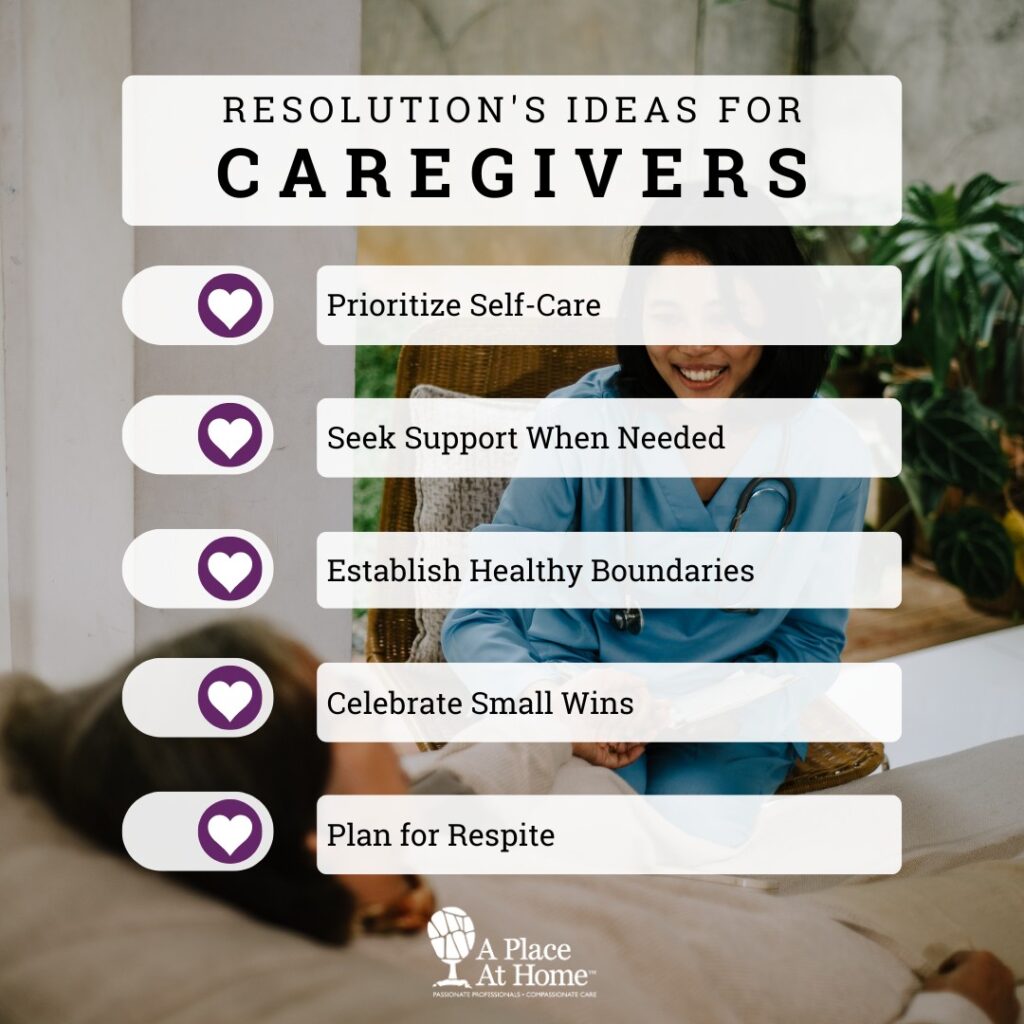
Healthy boundaries are the foundations of quality and sustainable caregiving. Caregivers must learn to say no to taxing demands and acknowledge when they are unable to manage tasks on their own. Asking for help is a strength that leads to a higher level of care and prevents unnecessary burnout.
Family members may be included in a support system. Phrase specific requests to family, such as asking for transportation to an upcoming medical appointment or to pick up groceries. A relative might be a willing social companion to an older adult for an hour or two.
Neighbors may offer to drive the senior to the pharmacy or prepare a balanced meal. Additional sources of help include adult day centers where older individuals are supervised in a safe environment for up to eight daytime hours. During this time off, caregivers discover opportunities to practice self-care.
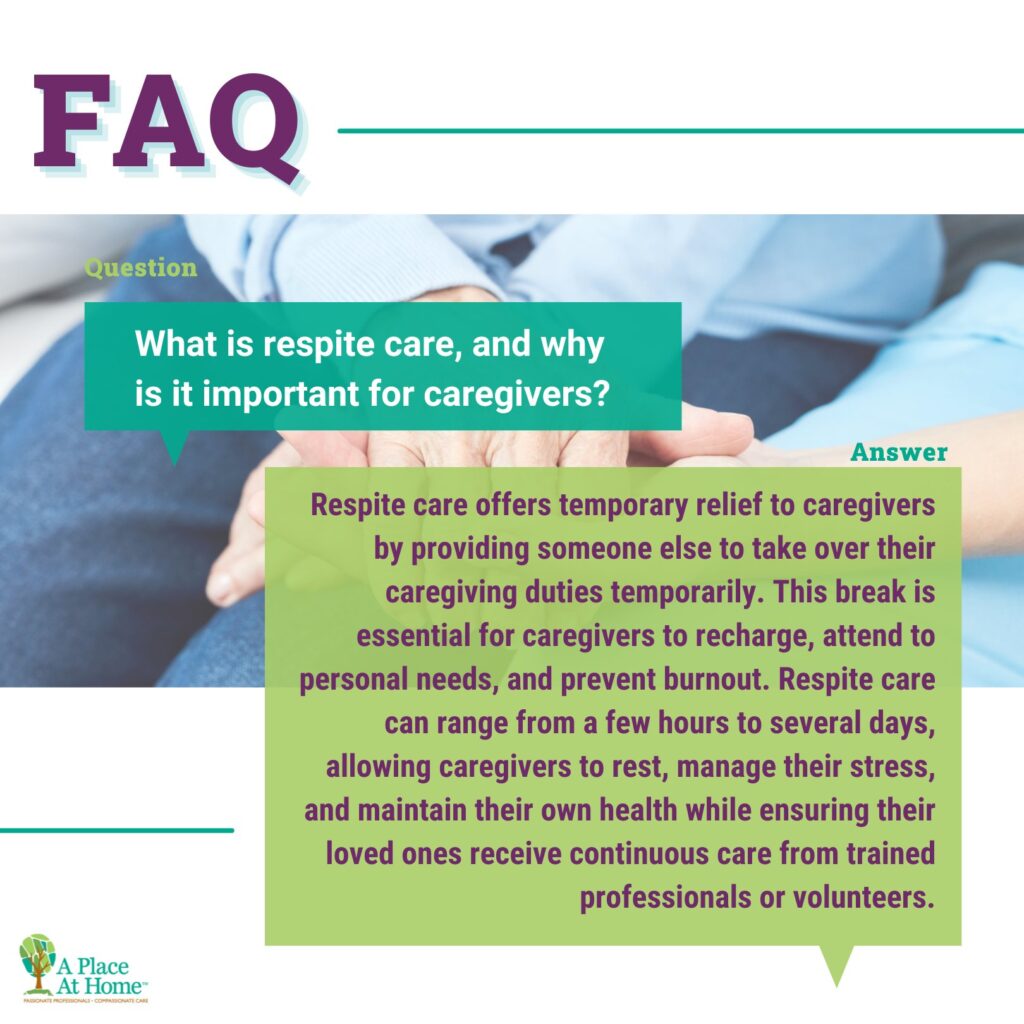
Professional respite care is available through licensed home care agencies. Hiring respite care for a few hours or two weeks gives the family caregiver a chance to rest, take a much-needed vacation, or exercise at the gym. Feeling confident that an aging loved one’s care needs are fulfilled is a benefit of respite care.
Asking for help does not signal failure but rather opens up the opportunity to share responsibilities and deliver a greater level of care to the senior. As care needs progress, support should grow. When safety concerns increase, introduce professional help to maintain the well-being of all involved.
If you’ve been wondering whether it’s time to ask for help, it probably is. Contact our Pearland care team for a free consultation and personalized support plan.

Reduce Caregiver Burnout with A Place At Home
Caregiver stress management starts with choosing the right support system, such as A Place At Home. As a home care agency staffed with professional caregivers, we prioritize the health, safety, and well-being of the older adults we are privileged to serve. Family caregivers rely on our services to prevent burnout.
Our caregivers are dedicated to helping older adults maintain their independence while providing reliable support with everyday, non-medical needs. Services include nutritious meal preparation, light housekeeping, and respectful assistance with personal care tasks such as bathing, dressing, and toileting, always delivered with dignity and compassion.
Mobility support is especially important for seniors at risk of falls. Our caregivers provide steady assistance throughout the home and offer safe, reliable transportation to help clients stay engaged. Whether it’s a visit to the doctor, a trip to a senior center, or running errands around town, we ensure older adults remain active and connected to their community.
Equally important is the companionship we provide. From friendly conversations and games to shared hobbies and outings, our caregivers bring warmth and social connection to each day, helping to reduce feelings of loneliness and isolation. All of these services, and more, are available through our flexible, professional respite care options, giving family caregivers the time they need to rest and recharge.
Family caregivers seeking relief from caregiving are encouraged to learn more about the quality senior care services available at A Place At Home. We support seniors at all stages, whether they live with dementia or have returned from a hospital stay. Schedule a free consultation at our Pearland, Texas, location for more information.
Frequently Asked Questions About Caregiver Burnout

What are the first signs of caregiver burnout?
Early signs of caregiver burnout often include constant fatigue, irritability, feeling overwhelmed, trouble sleeping, anxiety, and losing interest in activities you once enjoyed. Many caregivers also notice increased stress or difficulty concentrating.
How do I know if caregiving is affecting my health?
Caregiving may be affecting your health if you are experiencing exhaustion, headaches, body aches, poor sleep, changes in appetite, frequent illness, or neglecting your own doctor appointments and personal needs.
What can I do to prevent caregiver burnout?
Preventing caregiver burnout starts with taking regular breaks, asking for help, maintaining healthy routines, staying socially connected, and setting realistic boundaries. Professional respite care can also provide valuable relief.
When should a caregiver ask for help?
A caregiver should ask for help when stress feels constant, daily responsibilities become unmanageable, personal health begins to suffer, or caring for a loved one starts affecting work, relationships, or emotional well-being.
How can home care help with caregiver burnout?
Home care can reduce caregiver burnout by providing trusted support with daily tasks, personal care, companionship, meal preparation, transportation, and supervision. This gives family caregivers time to rest, recharge, and focus on their own well-being.