

Early signs of dementia are often subtle at first which makes them easy to miss or dismiss as normal aging, but they can be the first indication that something deeper is changing in a loved one’s brain health. Families may notice small shifts in memory, communication, mood, or daily functioning long before a formal diagnosis is made. Recognizing these changes early is important, as it can lead to earlier medical evaluation, better planning, and more supportive care options that help maintain quality of life as long as possible.
For families in the Pearland, TX area, these early warning signs can be especially important to watch for in aging parents or relatives who want to remain independent at home. In busy households and close-knit communities throughout Pearland and the South Houston area, it’s easy to assume forgetfulness or confusion is just “getting older.” But consistent patterns, like repeating questions, struggling with familiar tasks, or noticeable changes in mood or judgment, should never be ignored and may warrant a conversation with a healthcare provider.
Understanding these early signs is the first step toward getting the right support in place, whether that means medical guidance, family planning, or exploring local senior care resources that can help seniors remain safe and comfortable at home.
What Are the Early Signs of Dementia?
The earliest signs of dementia often include:
- Repeating questions or stories
- Forgetting recent conversations or appointments
- Difficulty completing familiar tasks
- Changes in mood or personality
- Trouble finding words during conversations
- Poor judgment or decision-making
- Confusion about time, dates, or locations
If these symptoms become frequent and begin affecting daily life, families should seek a medical evaluation.
Key Takeaways
- Early signs of dementia are often subtle but should never be dismissed as normal aging when they begin to affect daily life, safety, or independence.
- Memory loss associated with dementia goes beyond occasional forgetfulness and may include repeating questions, forgetting important information, or misplacing items in unusual locations.
- Difficulty completing familiar tasks, such as cooking, managing finances, or navigating familiar areas around Pearland, TX, can be an early warning sign of cognitive decline.
- Changes in communication, including trouble finding words, following conversations, or processing information, may indicate early dementia.
- Mood and personality changes, such as increased anxiety, irritability, withdrawal from social activities, or suspicious behavior, can occur before significant memory loss becomes apparent.
- Poor judgment and decision-making, including financial mistakes, neglecting personal hygiene, or failing to recognize unsafe situations, should be taken seriously.
- Confusion with time, place, and orientation can increase the risk of getting lost, wandering, or struggling with everyday routines.
- Seeking a medical evaluation early can help identify dementia or rule out other treatable conditions that may cause similar symptoms.
- Creating a safe home environment, establishing routines, and using reminders can help seniors remain independent and comfortable at home longer.
- Professional Alzheimer’s and dementia care can provide families in Pearland and South Houston with additional support, supervision, companionship, and peace of mind as a loved one’s needs change.

Early Memory Loss That Goes Beyond Normal Aging
Some memory lapses are a normal part of aging such as misplacing keys or briefly forgetting a name only to recall it later is common. However, early dementia-related memory loss tends to follow a more consistent and disruptive pattern that begins to interfere with daily life.
- Forgetting important information: One of the earliest signs families may notice is forgetting recently learned information or important events that would normally be easy to remember. This can include repeatedly missing appointments, forgetting conversations shortly after they happen, or relying heavily on others for reminders.
- Repetition: A loved one may ask the same question multiple times within a short period without realizing it has already been answered, or they may retell the same story in the same conversation. Over time, this repetition can become more frequent and noticeable in everyday interactions.
- Losing items: Misplacing items is also common, but in cases of early dementia, it often involves placing things in unusual or illogical locations, such as keys in the refrigerator or a wallet in a bathroom cabinet. What makes this different from typical forgetfulness is the inability to retrace steps or logically reconstruct where the item may have been left.
- Losing familiarity: Families may also begin noticing difficulty recalling names of familiar people, neighbors, or long-known places around the Pearland, TX area. These gaps can become more pronounced over time and may cause frustration or embarrassment for the individual experiencing them.
What helps distinguish normal aging from early dementia is the pattern and impact of these memory changes. Occasional forgetfulness is usually manageable and doesn’t significantly disrupt daily life. In contrast, dementia-related memory loss tends to be progressive, more frequent, and begins to affect independence, routines, and confidence in everyday activities.
Normal Aging vs Early Dementia Memory Loss
| Normal Aging | Possible Dementia |
|---|---|
| Occasionally forgets a name | Frequently forgets familiar names |
| Misplaces keys but finds them later | Places items in unusual locations |
| Misses an appointment occasionally | Repeatedly misses appointments |
| Remembers information later | Cannot recall recently learned information |
| Occasionally repeats a story | Repeats questions multiple times daily |
Not sure whether your loved one’s memory changes are normal aging or something more serious? A Place At Home Pearland can help families recognize warning signs and explore care options.
Challenges With Familiar Tasks and Daily Routines
Another early warning sign of dementia involves difficulty completing everyday tasks that were once second nature. These changes often show up gradually, making them easy to overlook at first, but over time they can become more noticeable and disruptive to independence.
- Difficulty with routine activities: One common sign is trouble managing routine activities such as cooking a familiar recipe, paying monthly bills, or driving to well-known places around Pearland, TX. A loved one may get lost on a route they’ve driven for years, forget ingredients they’ve used countless times, or struggle to keep track of basic financial responsibilities.
- Difficulty following step-by-step instructions: Something like operating a household appliance, using a remote control, or completing a basic household chore may suddenly require repeated explanation or hands-on assistance.
- Reliance on reminders: As these challenges progress, individuals often begin relying more heavily on reminders, notes, or family support for tasks they previously managed independently. While occasional assistance is normal with aging, a consistent need for help with routine activities can signal a deeper cognitive change.
In the Pearland community, these warning signs may show up in everyday settings, such as difficulty handling errands at local stores, confusion while navigating familiar neighborhoods, or hesitation when participating in long-standing routines like church activities or community events.
When these changes begin to affect safety, consistency, or independence, it becomes especially important for families to take note. What starts as minor inconvenience can gradually evolve into a situation where additional supervision or in-home support is needed to ensure a loved one can continue living safely and comfortably at home.
5 Everyday Tasks That May Become Difficult
1️⃣ Cooking familiar meals
2️⃣ Managing medications
3️⃣ Paying bills
4️⃣ Driving familiar routes
5️⃣ Following step-by-step instructions
Ask Yourself:
- Has your loved one stopped cooking?
- Are bills going unpaid?
- Have they become lost in familiar places?
- Do they need more reminders than before?
If you answered yes to multiple questions, it may be time to seek professional guidance.
Our sitters can help seniors maintain independence while providing support with daily routines and household tasks.

Language, Communication, and Thinking Changes
Early dementia can also affect how a person communicates and processes information. These changes are often subtle at first, but they can gradually make everyday conversations and decision-making more challenging.
- Struggling to hold conversation: A loved one may pause frequently, repeat themselves, or substitute unusual or vague words when they can’t recall the exact term they want to use. Over time, these pauses may become more noticeable and can make conversations feel slower or disjointed.
- Lose train of thought: It’s also common for individuals to lose their train of thought mid-sentence or have difficulty following along in group discussions. What was once a natural back-and-forth conversation may begin to feel confusing or overwhelming, especially in busy environments or social settings.
- Trouble understanding written or spoken information: This can include difficulty following instructions, misunderstanding simple messages, or needing things repeated multiple times to fully grasp the meaning.
- Slowdown in problem-solving and decision-making: Tasks that once felt automatic, like planning a meal, organizing a schedule, or handling small household decisions, may now take much longer or require assistance.
When communication and thinking changes begin to appear consistently, they can be an early indicator that cognitive processing is being affected. Recognizing these shifts early can help families better understand what’s happening and take steps toward appropriate evaluation and support.
Early Communication Warning Signs
| Sign | Example |
|---|---|
| Word-finding difficulty | Calling a watch “that thing on my wrist” |
| Losing train of thought | Stopping mid-sentence |
| Repetition | Telling the same story repeatedly |
| Processing delays | Taking longer to answer questions |
| Difficulty following conversations | Becoming confused in group discussions |
Early intervention can help families better manage communication challenges and maintain meaningful connections.

Mood, Personality, and Behavioral Shifts
Early dementia doesn’t only affect memory and thinking, it can also lead to noticeable changes in mood, personality, and overall behavior. In many cases, these shifts are some of the first signs that family members pick up on, even before memory issues become obvious.
- Increased irritability, anxiety, or signs of depression: Situations that were once handled calmly may now trigger frustration or emotional distress, and their overall emotional balance may feel more fragile than before.
- Mood swings: Sudden mood swings can also occur, sometimes within the same day or even the same conversation. These changes may seem unpredictable, leaving family members unsure of what to expect or how to respond.
- Withdrawal from social activities: In a community like Pearland, TX, where church gatherings, neighborhood events, and family get-togethers are often an important part of daily life, this withdrawal can be especially noticeable. A once social individual may begin avoiding events they used to enjoy or decline invitations without a clear explanation.
- Increased suspicion, confusion, or even mild paranoia: They might accuse others of taking items that were simply misplaced or become uneasy in situations that previously felt familiar and safe.
What can be particularly concerning for families is when these changes feel “out of character.” A normally easygoing, social, or trusting individual may begin behaving in ways that don’t align with their lifelong personality. These shifts are not intentional, they are often a result of changes occurring in the brain, but they can still be emotionally difficult for families to understand and navigate.
Recognizing these behavioral changes early can help families respond with patience, awareness, and the right level of support as they continue to monitor their loved one’s cognitive health.
Behavioral Changes Families Often Notice First
😟 Anxiety
😠 Irritability
😔 Depression
🚪 Social Withdrawal
🤔 Suspicion
😕 Confusion
Behavior changes are often mistaken for stress, grief, or aging. When they occur alongside memory loss or confusion, they may indicate cognitive decline.
Our dementia caregivers provide companionship, routine, and reassurance that can reduce stress for both seniors and family members.
Poor Judgment and Changes in Decision-Making
Another important early sign of dementia involves changes in judgment and the ability to make sound decisions. These shifts can be especially concerning because they directly impact a person’s safety, finances, and overall independence.
- Financial mistakes or unusual spending patterns: This could include unpaid bills, duplicate payments, confusion over bank accounts, or unexpected purchases that don’t align with the person’s usual habits. In some cases, seniors may become more vulnerable to scams or uncharacteristic financial decisions.
- Changes in personal care: A loved one who once took pride in their appearance may begin neglecting basic hygiene, wearing the same clothes repeatedly, or forgetting routine grooming tasks. These changes often happen gradually but can become more noticeable over time.
- Wearing inappropriate clothing for the weather or situation: Seniors may dress in heavy layers during warm Pearland, TX weather or not dress warmly enough during cooler conditions. This can indicate difficulty processing environmental cues or planning appropriately for the day.
- Inability to recognize unsafe situations: This may include leaving appliances on, misusing household items, forgetting to lock doors, or being unaware of potential hazards both inside and outside the home. These lapses in awareness can quickly become safety concerns if not addressed.
As these judgment-related changes progress, families often begin to worry about whether their loved one can continue living independently. When safety, finances, and daily decision-making start to decline, it may be time to consider additional support at home to help reduce risks while preserving dignity and independence for as long as possible.
Common Safety Concerns
| Behavior | Why It Matters |
|---|---|
| Unpaid bills | Financial risk |
| Wearing inappropriate clothing | Safety concern |
| Leaving appliances on | Fire hazard |
| Falling for scams | Financial exploitation |
| Ignoring personal hygiene | Declining self-care |
Concerned about safety at home? Our sitters can provide supervision and support while helping seniors remain independent.

Confusion With Time, Place, and Orientation
One of the more concerning early signs of dementia is increasing confusion about time, place, and overall orientation. These changes can feel disorienting for both the individual and their family members, especially when they begin to affect daily routines and safety.
- Losing track of dates, seasons, or even the time of day: They might believe it is morning when it is evening, forget what day of the week it is, or become confused about upcoming appointments and events. Over time, this can make it harder to maintain normal routines and responsibilities.
- Confusion about location: A loved one may not understand where they are or how they arrived there, even in familiar settings. In more advanced early cases, they may momentarily feel “lost” inside their own home or in places they have visited many times before.
- Disorientation in everyday situations: This can include difficulty navigating familiar neighborhoods, confusion while running routine errands, or uncertainty when traveling short distances to nearby areas. These moments can be subtle at first but may become more frequent over time.
- Increased risk of wandering or getting lost: A person may leave home intending to go somewhere familiar but become confused along the way, or they may simply walk outside and lose track of their destination. This can quickly become a serious safety concern, especially in busy or unfamiliar environments.
When confusion with time and place begins to impact safety, independence, or the ability to move confidently through daily life, it becomes an important signal that additional support may be needed. At this stage, families often start considering ways to provide supervision and structure to help keep their loved ones safe while preserving as much independence as possible.
How Orientation Issues Often Progress
Mild Confusion
↓
Losing Track of Dates
↓
Missing Appointments
↓
Getting Lost in Familiar Areas
↓
Wandering Risk Increases
Can Dementia Cause Someone to Get Lost?
Yes. Dementia often affects orientation and spatial awareness, making it difficult to recognize familiar places, follow routes, or remember destinations.
If your loved one has become confused while driving or navigating familiar areas around Pearland, it may be time to discuss additional support.
When to Seek Medical Evaluation
Recognizing the early signs of dementia is an important first step but knowing when to seek medical evaluation is just as critical. If memory changes, confusion, mood shifts, or difficulty with daily tasks begin to occur consistently and affect everyday life, it’s time to schedule an appointment with a healthcare provider.
Schedule a Medical Evaluation If Your Loved One:
✓ Repeats questions frequently
✓ Has difficulty completing familiar tasks
✓ Gets confused about dates or locations
✓ Shows noticeable personality changes
✓ Has experienced safety concerns at home
✓ Is becoming increasingly dependent on reminders
Early diagnosis matters because it opens the door to better planning, treatment options, and support services. While there is currently no cure for most forms of dementia, identifying the condition early can help slow progression in some cases and allow families to make informed decisions about care, safety, and long-term needs.
During an evaluation, a primary care doctor or neurologist will typically review medical history, discuss symptoms in detail, and may conduct cognitive tests to assess memory, attention, problem-solving, and language skills. They may also evaluate how symptoms are impacting daily functioning at home and in the community, including in areas like Pearland, TX where the individual lives and spends time.
It is also important to rule out other conditions that can mimic dementia symptoms. Certain medications, untreated infections, thyroid issues, dehydration, depression, or vitamin deficiencies (such as B12 deficiency) can all cause memory loss or confusion. A thorough medical checkup helps ensure the correct diagnosis and appropriate treatment plan.
Before the appointment, families should document specific symptoms, including when they began, how often they occur, and how they have changed over time. Writing down real examples such as missed appointments, repeated questions, or safety concerns can help the doctor better understand the full picture.
Family involvement is also essential throughout this process. Loved ones often notice subtle changes that the individual may not recognize or may have difficulty describing. Attending appointments together, sharing observations, and supporting follow-up care can make a significant difference in getting an accurate diagnosis and developing a practical care plan moving forward.
The sooner dementia is identified, the sooner families can plan for care, safety, and long-term support.

Supporting a Loved One at Home in Pearland, TX
When a loved one begins showing early signs of dementia, many families in Pearland, TX choose to focus on keeping them safe and supported at home for as long as possible. With the right strategies in place, the home environment can remain familiar, comfortable, and more manageable as cognitive changes progress.
- Create a safer home environment: This may include removing tripping hazards, improving lighting in hallways and bathrooms, securing medications, and simplifying access to commonly used items. Small adjustments can significantly reduce the risk of accidents and help preserve independence.
- Establish consistent daily routines: Predictable schedules for meals, bathing, medications, and bedtime can reduce confusion and anxiety, making the day feel more structured and less overwhelming. Familiar routines also help reinforce memory and orientation over time.
- Communication: Speaking slowly, using simple sentences, and offering one instruction at a time can make conversations easier to follow. It also helps to remain patient, avoid correcting harshly, and focus on reassurance rather than frustration when confusion arises.
- Visual support: Using reminders, calendars, sticky notes, and clearly labeled cabinets or drawers can help a loved one stay oriented and complete tasks more independently. These tools provide gentle prompts without relying entirely on memory.
Ways Families Can Support a Loved One at Home
| Strategy | Benefit |
|---|---|
| Establish routines | Reduces confusion |
| Improve lighting | Enhances safety |
| Use calendars and reminders | Supports memory |
| Simplify tasks | Reduces frustration |
| Consider in-home care | Provides additional support |
As needs increase, families may begin to notice when additional help at home is needed. This might include support with personal care, supervision for safety, medication reminders, or companionship to reduce isolation. In these situations, in-home care services in the Pearland, TX area can provide an extra layer of support while allowing seniors to remain in a familiar environment.
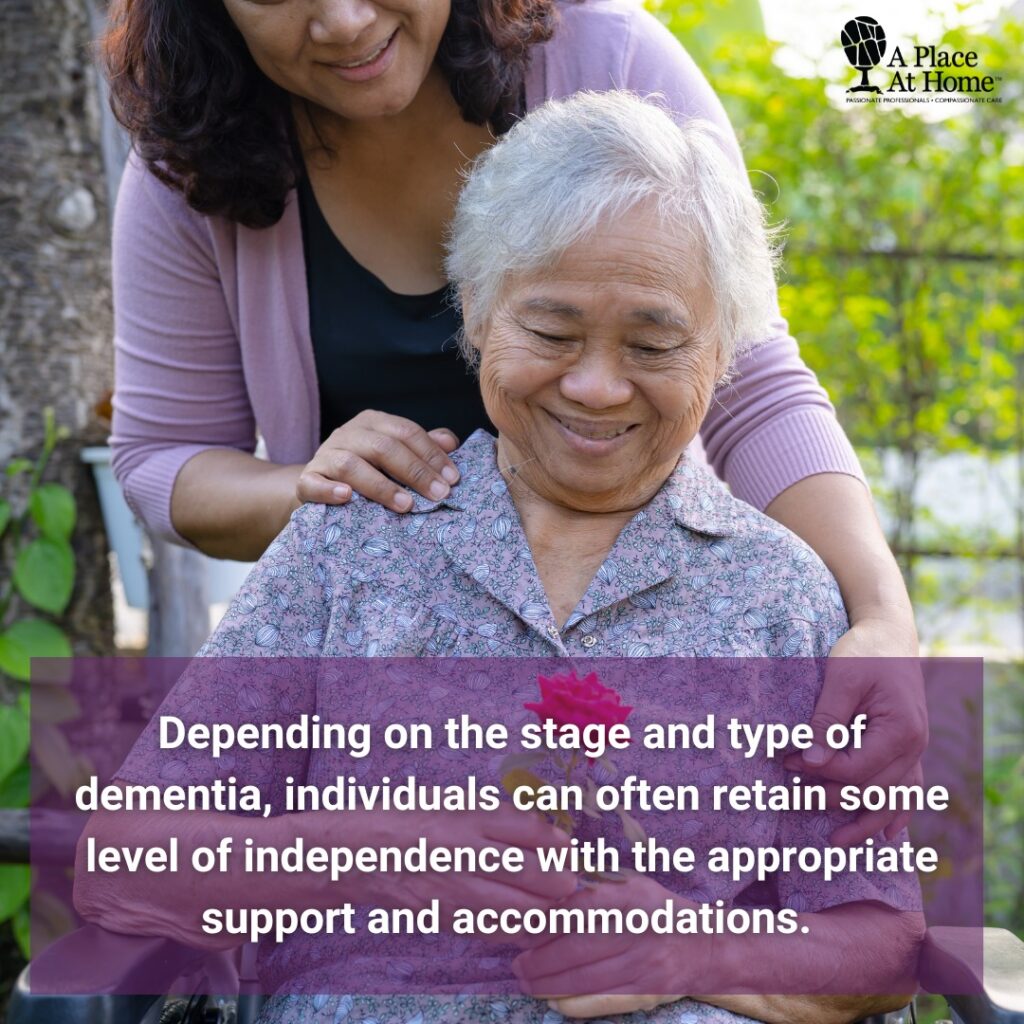
A Place At Home Pearland provides specialized Alzheimer’s and dementia care that helps seniors remain safe, comfortable, and supported at home.
Early Awareness Makes a Difference
Noticing the early signs of dementia can feel overwhelming, but recognizing these changes is one of the most important steps a family can take. Memory loss, confusion, mood changes, and difficulty with daily tasks don’t always point to normal aging, especially when they become more frequent, patterned, or begin affecting safety and independence.
Dementia Warning Signs Self-Assessment
Have You Noticed Any of These?
□ Repeating questions
□ Memory loss affecting daily life
□ Confusion with dates or places
□ Personality changes
□ Difficulty with familiar tasks
□ Poor judgment
□ Increased need for reminders
If you checked 2 or more boxes, it may be time to schedule a dementia care consultation. 📞 Call A Place At Home Pearland at (346) 598-5947.
Free Consultation Includes:
✔ Care Needs Assessment
✔ Home Safety Review
✔ Dementia Care Recommendations
✔ Personalized Care Plan
The earlier families in Pearland, TX seek understanding and support, the more options are available for care planning, medical evaluation, and in-home assistance. Early action can help reduce stress, prevent crises, and create a more stable and supportive environment for everyone involved.
Most importantly, families do not have to navigate this journey alone. With the right combination of medical guidance, family involvement, and professional support, it is possible to maintain dignity, comfort, and quality of life for as long as possible at home.
For families who are beginning to notice these changes, compassionate help is available. A Place At Home Pearland offers Alzheimer’s and dementia care to support seniors in the comfort of their own home. Our trained caregivers provide assistance with daily routines, safety supervision, memory support, and meaningful companionship, helping families feel confident that their loved one is cared for with patience and respect.
To learn more about how professional in-home dementia care can support your family in Pearland and the surrounding South Houston area, call us at (346) 598-5947.