Adjusting to life after an amputation can feel overwhelming—for both individuals and their families. Everyday tasks may become more difficult, mobility can change, and confidence may take time to rebuild.
For families in Little Rock, Arkansas, one of the biggest questions becomes:
How can we help our loved one stay safe, independent, and comfortable at home?
At A Place At Home – Little Rock, we provide compassionate, personalized in-home care designed to support amputees through recovery and daily life—right where they feel most comfortable.
What Is an Amputee?
An amputee is someone who has had a limb removed due to surgery or injury. This may involve the loss of a leg, arm, hand, or foot.
Amputation is often caused by underlying health conditions or unexpected events. Common causes include:
- Diabetes-related complications
- Poor circulation (peripheral artery disease)
- Severe infections
- Traumatic injuries (car accidents or workplace injuries)
- Cancer
For many seniors in Little Rock and surrounding areas like North Little Rock, Benton, and Conway, amputation is often linked to chronic conditions such as diabetes and vascular disease.
Why Amputation Is a Growing Health Concern
Amputation is more common than many families realize, especially among older adults managing chronic conditions. According to the Centers for Disease Control and Prevention, diabetes is one of the leading causes of lower-limb amputations in the United States.
Research from the National Institutes of Health shows that individuals who undergo amputation often face long-term mobility challenges and require ongoing rehabilitation and support.
In addition, the Amputee Coalition emphasizes that recovery is not only physical but also emotional. Many individuals experience changes in confidence, independence, and daily routines.
These insights highlight why early support and structured care are essential—especially for seniors who want to remain safely at home.
The Daily Challenges Amputees Face
After an amputation, daily routines can change significantly. Simple tasks may require more effort, adjustments, or assistance.
Many amputees experience:
- Difficulty with balance and mobility
- Increased risk of falls
- Learning to use and adjust to a prosthetic limb
- Pain or phantom limb sensations
- Emotional stress, anxiety, or reduced confidence
For older adults living at home, these challenges can quickly impact safety and independence without proper support.
Why Home Care for Amputees in Little Rock Matters
Recovering at home is often the preferred option, but it requires a safe environment and consistent support.
With professional in-home care in Little Rock, AR, amputees can:
- Maintain independence with the right level of assistance
- Reduce fall risk and prevent injuries
- Stay consistent with recovery routines
- Feel supported both physically and emotionally
At A Place At Home – Little Rock, care is designed to help clients stay confident and safe in their own homes.
How A Place At Home – Little Rock Supports Amputees
Our caregivers provide personalized care tailored to each individual’s condition, mobility level, and recovery stage.
Mobility & Fall Prevention
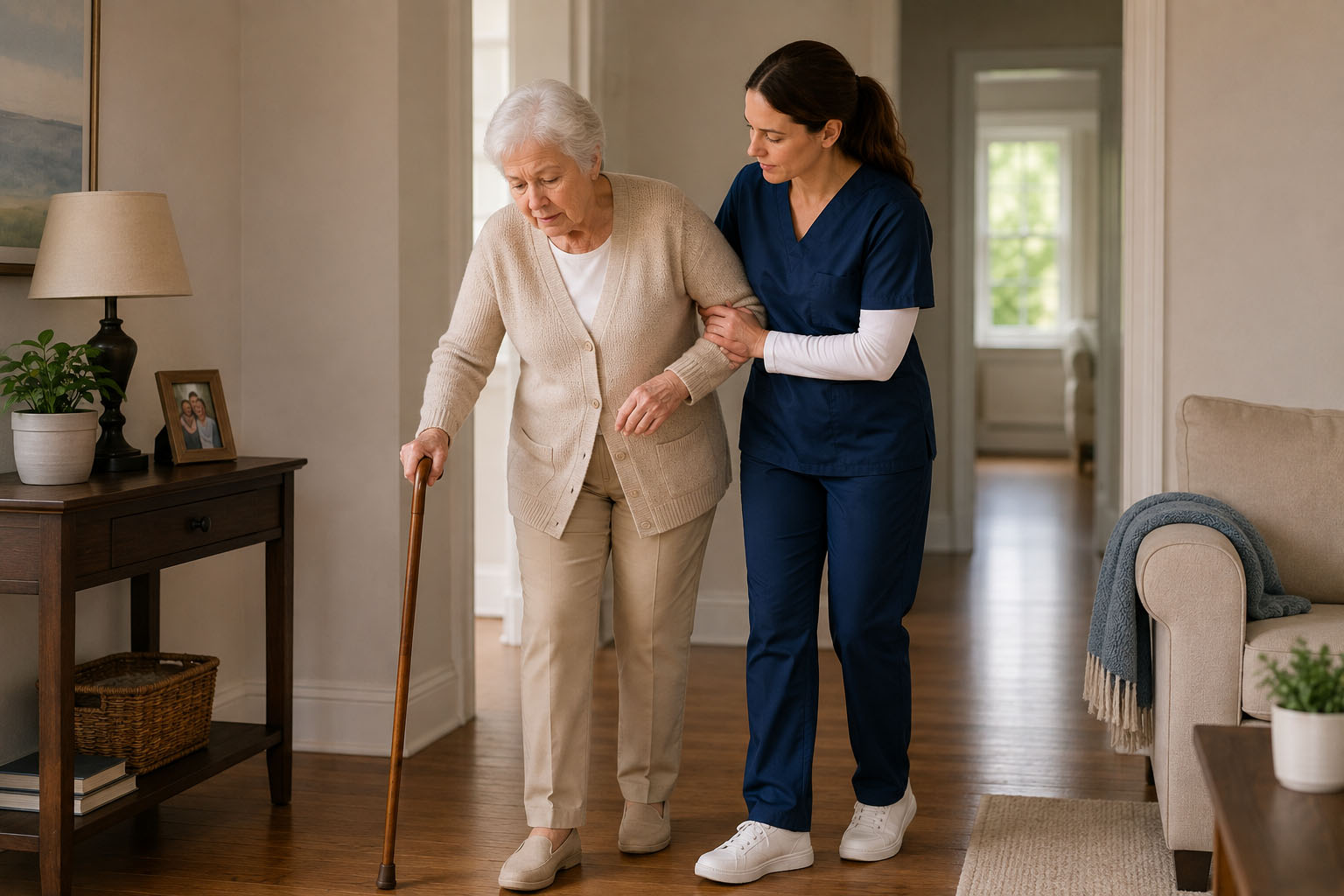
We assist with walking, transfers, and safe movement throughout the home.
Personal Care Assistance
Support with bathing, dressing, and hygiene ensures safety and dignity.
Prosthetic Support
Caregivers can help with:
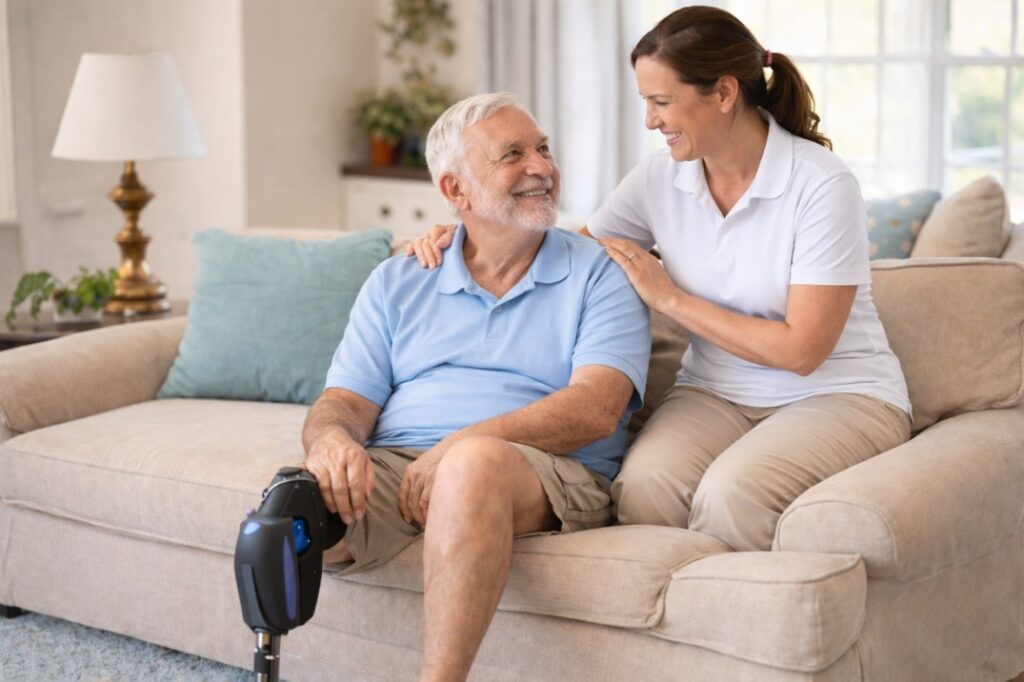
- Daily use of prosthetics
- Cleaning and maintenance
- Monitoring for discomfort or irritation
Medication & Health Monitoring
We help ensure medications are taken correctly and monitor for complications.
Emotional Support & Companionship
Caregivers provide reassurance, companionship, and encouragement during recovery.
Creating a Safe Home Environment in Little Rock
Small changes in the home can significantly reduce fall risk and improve daily comfort.
Recommended safety improvements include:
- Removing clutter and loose rugs
- Installing grab bars in bathrooms
- Improving lighting in hallways and living areas
- Using non-slip flooring
- Arranging furniture for easier movement
Our team can help identify safety risks and recommend practical improvements.
Supporting Recovery and Rehabilitation at Home
Recovery after amputation is an ongoing process. Consistent support can improve both physical and emotional outcomes.
In-home care helps by:
- Encouraging movement and strengthening exercises
- Supporting therapy routines
- Helping maintain daily care plans
- Assisting with transportation to appointments in Little Rock
This level of support helps individuals regain independence over time.
When to Consider Home Care in Little Rock
It may be time to consider in-home care if your loved one:
- Has difficulty moving safely at home
- Needs help with daily activities
- Is recovering from amputation surgery
- Is adjusting to a prosthetic device
- Shows signs of isolation or emotional distress
Early support can prevent complications and improve quality of life.
Final Thoughts
Living with an amputation presents challenges, but it does not mean losing independence. With the right care, support, and environment, many individuals continue to live fulfilling lives at home.
Understanding the condition and taking proactive steps can make a meaningful difference in safety, recovery, and overall well-being.