Home Care for Amputees: What Is an Amputee and How In-Home Support Helps

Smiles and connection in the living room


Smiles and connection in the living room

Adjusting to life after an amputation can feel overwhelming—for both individuals and their families. Everyday tasks may become more difficult, mobility can change, and confidence may take time to rebuild.

For families in Little Rock, Arkansas, one of the biggest questions becomes:
How can we help our loved one stay safe, independent, and comfortable at home?

At A Place At Home – Little Rock, we provide compassionate, personalized in-home care designed to support amputees through recovery and daily life—right where they feel most comfortable.

What Is an Amputee?

An amputee is someone who has had a limb removed due to surgery or injury. This may involve the loss of a leg, arm, hand, or foot.

Amputation is often caused by underlying health conditions or unexpected events. Common causes include:

  • Diabetes-related complications
  • Poor circulation (peripheral artery disease)
  • Severe infections
  • Traumatic injuries (car accidents or workplace injuries)
  • Cancer

For many seniors in Little Rock and surrounding areas like North Little Rock, Benton, and Conway, amputation is often linked to chronic conditions such as diabetes and vascular disease.

Why Amputation Is a Growing Health Concern

Amputation is more common than many families realize, especially among older adults managing chronic conditions. According to the Centers for Disease Control and Prevention, diabetes is one of the leading causes of lower-limb amputations in the United States.

Research from the National Institutes of Health shows that individuals who undergo amputation often face long-term mobility challenges and require ongoing rehabilitation and support.

In addition, the Amputee Coalition emphasizes that recovery is not only physical but also emotional. Many individuals experience changes in confidence, independence, and daily routines.

These insights highlight why early support and structured care are essential—especially for seniors who want to remain safely at home.

The Daily Challenges Amputees Face

After an amputation, daily routines can change significantly. Simple tasks may require more effort, adjustments, or assistance.

Many amputees experience:

  • Difficulty with balance and mobility
  • Increased risk of falls
  • Learning to use and adjust to a prosthetic limb
  • Pain or phantom limb sensations
  • Emotional stress, anxiety, or reduced confidence

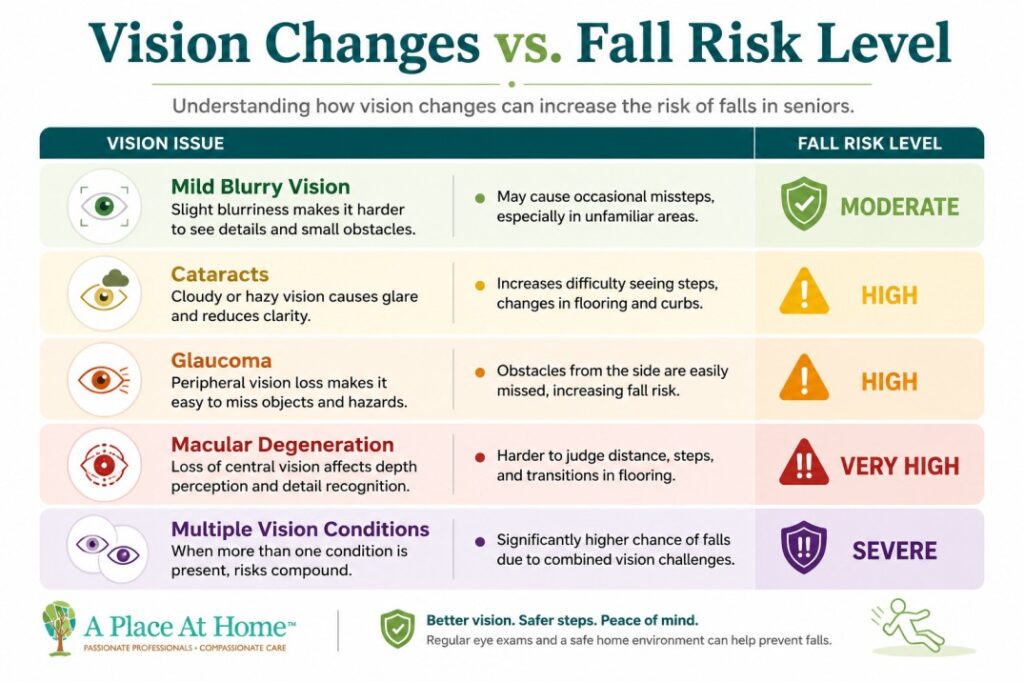
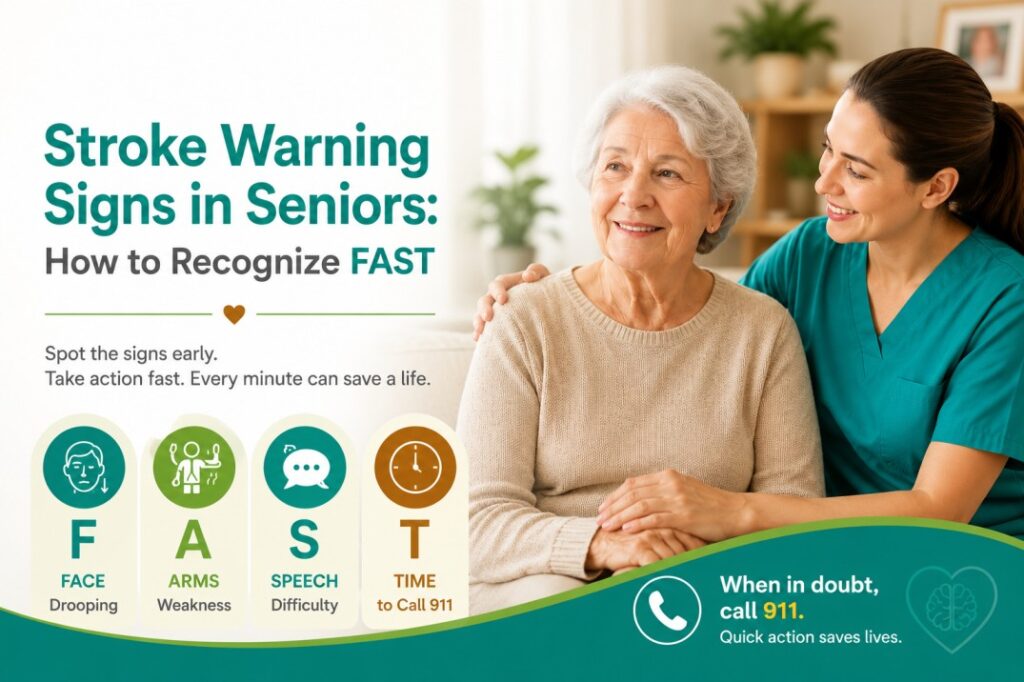
For older adults living at home, these challenges can quickly impact safety and independence without proper support.

Why Home Care for Amputees in Little Rock Matters

Recovering at home is often the preferred option, but it requires a safe environment and consistent support.

With professional in-home care in Little Rock, AR, amputees can:

  • Maintain independence with the right level of assistance
  • Reduce fall risk and prevent injuries
  • Stay consistent with recovery routines
  • Feel supported both physically and emotionally

At A Place At Home – Little Rock, care is designed to help clients stay confident and safe in their own homes.

How A Place At Home – Little Rock Supports Amputees

Our caregivers provide personalized care tailored to each individual’s condition, mobility level, and recovery stage.

Mobility & Fall Prevention

We assist with walking, transfers, and safe movement throughout the home.

Personal Care Assistance

Support with bathing, dressing, and hygiene ensures safety and dignity.

Prosthetic Support

Caregivers can help with:

  • Daily use of prosthetics
  • Cleaning and maintenance
  • Monitoring for discomfort or irritation

Medication & Health Monitoring

We help ensure medications are taken correctly and monitor for complications.

Emotional Support & Companionship

Caregivers provide reassurance, companionship, and encouragement during recovery.

Creating a Safe Home Environment in Little Rock

Small changes in the home can significantly reduce fall risk and improve daily comfort.

Recommended safety improvements include:

  • Removing clutter and loose rugs
  • Installing grab bars in bathrooms
  • Improving lighting in hallways and living areas
  • Using non-slip flooring
  • Arranging furniture for easier movement

Our team can help identify safety risks and recommend practical improvements.

Supporting Recovery and Rehabilitation at Home

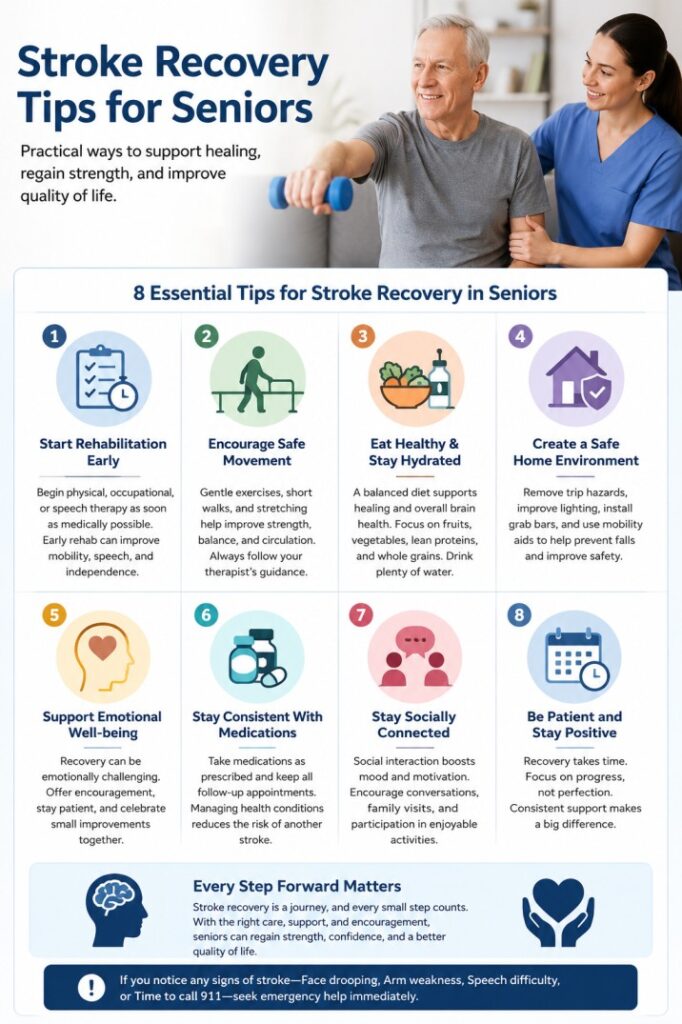
Recovery after amputation is an ongoing process. Consistent support can improve both physical and emotional outcomes.

In-home care helps by:

  • Encouraging movement and strengthening exercises
  • Supporting therapy routines
  • Helping maintain daily care plans
  • Assisting with transportation to appointments in Little Rock

This level of support helps individuals regain independence over time.

When to Consider Home Care in Little Rock

It may be time to consider in-home care if your loved one:

  • Has difficulty moving safely at home
  • Needs help with daily activities
  • Is recovering from amputation surgery
  • Is adjusting to a prosthetic device
  • Shows signs of isolation or emotional distress

Early support can prevent complications and improve quality of life.

Final Thoughts

Living with an amputation presents challenges, but it does not mean losing independence. With the right care, support, and environment, many individuals continue to live fulfilling lives at home.

Understanding the condition and taking proactive steps can make a meaningful difference in safety, recovery, and overall well-being.

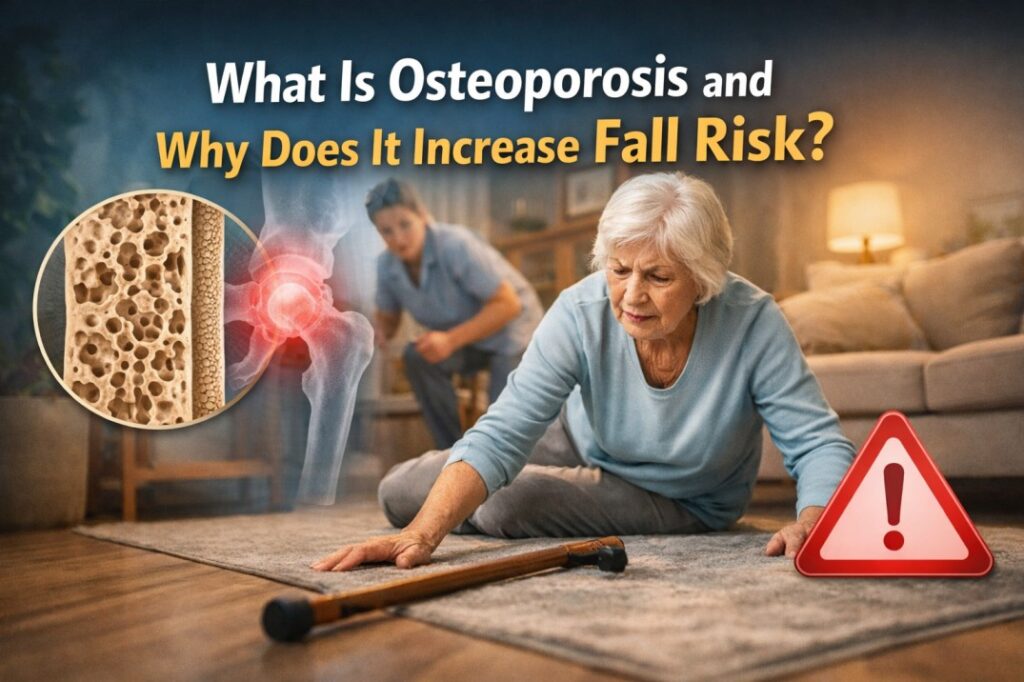
What Is Osteoporosis and Why Does It Increase Fall Risk?

Elderly woman after a fall at home showing osteoporosis and fall risk with caregiver support

As our loved ones age, it’s natural to notice changes in their strength, balance, and overall mobility. But sometimes, those changes are linked to something more serious happening beneath the surface. One of the most common—and often overlooked—conditions affecting older adults is osteoporosis.

While it may not always show obvious symptoms at first, osteoporosis can quietly weaken bones over time, making even a minor fall much more dangerous. For families, understanding this condition is not just about health—it’s about safety, independence, and quality of life.

Elderly woman after a fall at home showing osteoporosis and fall risk with caregiver support

What Is Osteoporosis?

Osteoporosis is a condition that causes bones to become weaker, thinner, and more fragile. It develops gradually, often without noticeable warning signs, which is why it’s commonly referred to as a “silent disease.”

Inside the body, bone tissue is constantly being broken down and rebuilt. As we age, that balance shifts, and the body may begin to lose bone faster than it can replace it. Over time, this leads to a decrease in bone density and overall strength.

The area’s most commonly affected include:

  • Hips
  • Spine
  • Wrists

For many people, the first sign of osteoporosis is a fracture that occurs after a minor fall or movement that normally wouldn’t cause injury.

Why Osteoporosis Is a Growing Concern

Osteoporosis is far more common than many people realize, and its impact on older adults continues to grow each year. In the United States alone, millions of individuals are already living with this condition, while many more have low bone density and may not even know they are at risk. According to the National Osteoporosis Foundation, approximately 10 million Americans have osteoporosis, and an additional 44 million have low bone mass.

As we age, bones naturally lose strength, but for those with osteoporosis, this process happens more rapidly and with more serious consequences. Research shows that nearly half of women and a significant portion of men over the age of 50 will experience a fracture related to weakened bones, as reported by the National Institutes of Health.

What makes this even more concerning is how closely osteoporosis is tied to falls—the leading cause of injury among older adults. The Centers for Disease Control and Prevention notes that falls are the primary cause of both fatal and nonfatal injuries in seniors. A simple slip or moment of imbalance can lead to an injury that dramatically changes a person’s mobility and independence.

Why Osteoporosis Increases Fall Risk


How Osteoporosis Increases Fall Risk

Factor What Happens Why It Increases Fall Risk
Bone Density Loss Bones become weak and brittle Even minor falls can cause fractures
Posture Changes Spine curves forward Affects balance and stability
Muscle Weakness Reduced strength with age Harder to stay steady while walking
Slower Reflexes Delayed reaction time Less ability to prevent a fall
Fear of Falling Reduced activity Leads to further weakness and instability

Osteoporosis doesn’t just make bones more fragile—it also contributes to physical and functional changes that make falls more likely.

As bone density decreases, posture can begin to shift. Many older adults develop a forward curve in the spine, which affects balance and stability. Muscle strength also declines with age, making it harder to stay steady while walking or standing.

Several factors come together to increase fall risk:

  • Changes in posture that affect balance
  • Reduced muscle strength and coordination
  • Slower reaction time
  • Increased fatigue during movement

There is also an emotional component. After a fall or near fall, many seniors become more cautious. Over time, reduced activity can lead to further weakness, increasing the likelihood of future falls.

How Osteoporosis Affects Daily Life

For seniors living with osteoporosis, the effects go beyond bone health. The condition can gradually make everyday tasks more challenging and reduce overall confidence.

You may notice your loved one:

  • Taking longer to stand or sit
  • Avoiding stairs or certain areas of the home
  • Walking more slowly or cautiously
  • Limiting activities they once enjoyed

These changes can lead to decreased independence and, in some cases, social isolation. Over time, this can affect both physical and emotional well-being.

Signs Families Should Watch For

Because osteoporosis develops quietly, families are often the first to notice subtle warning signs. Paying attention to these changes can help prevent more serious issues later.

Look for:

  • Noticeable loss of height
  • Rounded or hunched posture
  • Back pain without a clear cause
  • Difficulty with balance or walking
  • Increased fear of falling
  • Fractures from minor incidents

These signs may indicate that additional support or medical evaluation is needed.

How In-Home Care Can Help Reduce Risk

For seniors who want to remain at home, the right support can make a significant difference in preventing falls and maintaining independence.

At A Place At Home, caregivers provide both practical assistance and peace of mind. Support is tailored to each individual’s needs and daily routine.

Care services may include:

  • Assistance with walking and mobility
  • Help with bathing, dressing, and daily activities
  • Safe transfers in and out of bed or chairs
  • Medication reminders to reduce dizziness or confusion
  • Identifying and reducing fall hazards in the home

Beyond physical support, caregivers also offer companionship and reassurance, helping seniors feel more confident and secure.

Steps Families Can Take to Improve Safety

There are several simple ways to reduce fall risk and support a loved one with osteoporosis.

Make the home safer:

  • Improve lighting throughout the home
  • Remove clutter and loose rugs
  • Install grab bars in bathrooms

Support strength and mobility:

  • Encourage light daily activity
  • Focus on balance and flexibility

Promote healthy habits:

  • Ensure proper calcium and vitamin D intake
  • Stay hydrated
  • Keep up with regular medical checkups

These small changes can make a meaningful difference over time.

The Emotional Side of Osteoporosis

While the physical risks are important, the emotional impact should not be overlooked. Many seniors begin to feel anxious about falling, which can lead to reduced confidence and independence.

Providing reassurance, encouragement, and consistent support can help rebuild that confidence and improve overall quality of life.

When It May Be Time to Consider Additional Support

If your loved one has experienced a fall, shows signs of instability, or begins to withdraw from daily activities, it may be time to consider in-home care.

Early support can help prevent injuries and provide peace of mind for both seniors and their families. It also allows individuals to remain in the comfort of their own home while receiving the help they need.

Final Thoughts

Osteoporosis is a condition that often develops quietly but can have a serious impact on safety and independence. Understanding its connection to fall risk is an important step in protecting aging loved ones.

With the right awareness, preventive steps, and supportive care, many falls can be avoided, and seniors can continue living safely and comfortably at home.

Common Questions Families Are Asking About Osteoporosis

When families start learning about osteoporosis, the same concerns come up again and again. These are real questions people are asking when trying to understand what this diagnosis means for their loved one.

Can osteoporosis be reversed, or is it permanent?

This is one of the first questions many families ask. While osteoporosis can’t always be fully reversed, it can absolutely be managed. With the right combination of medical care, nutrition, and physical activity, many seniors are able to slow bone loss and reduce their risk of fractures.

What matters most is consistency. Small, ongoing changes—like improving diet, staying active, and following a care plan—can make a meaningful difference over time.

How serious is osteoporosis really?

Osteoporosis is often underestimated because it doesn’t always cause noticeable symptoms early on. However, the real concern is not just the condition itself—it’s what can happen because of it.

A simple fall that might not affect a healthy adult can lead to a serious fracture in someone with osteoporosis. These injuries can impact mobility, independence, and overall quality of life, which is why prevention and support are so important.

Can someone with osteoporosis still live independently?

Yes, many seniors with osteoporosis continue to live independently, especially in the early stages. However, as the condition progresses, having the right support can make a big difference.

In many cases, even small adjustments—like help with daily tasks or improving home safety—can allow seniors to remain in their homes safely for much longer.

What are the early warning signs people usually miss?

Because osteoporosis develops gradually, the early signs are often subtle and easy to overlook.

Families may notice:

  • A slight loss in height
  • Changes in posture, such as a rounded back
  • Increased difficulty with balance
  • Complaints of back discomfort without a clear cause

These changes often appear before a serious fall occurs, making early awareness especially valuable.

Why do people with osteoporosis fall more often?

It’s not just the bones that are affected. Osteoporosis is often linked with other age-related changes that increase fall risk.

These may include:

  • Reduced muscle strength
  • Slower reaction time
  • Changes in posture
  • Increased fear of falling, which leads to less movement

Over time, these factors combine to make falls more likely without proper support.

Can Creatine Slow Down Aging?

Women sitting and smilling

For years, creatine has been associated with athletes and bodybuilders. But today, researchers are exploring something much broader: Can creatine support healthy aging?

If you’re over 40 or 50 and wondering whether creatine could help with muscle loss, memory, energy levels, or even wrinkles, you’re not alone. Interest in creatine for longevity and vitality is growing — and for good reason.

Let’s break down what creatine does, what the science shows, and whether it might be worth considering as part of a healthy aging plan.

What is Creatine and How does it work?

Creatine is a naturally occurring compound made from amino acids. Your body produces it in the liver, kidneys, and pancreas. You also get small amounts from animal-based foods like:

  • Beef
  • Pork
  • Salmon
  • Tuna
  • Cod
  • Dairy

Creatine helps your cells produce ATP (adenosine triphosphate) — the primary energy source your body uses during short bursts of activity.

About 95% of your body’s creatine is stored in skeletal muscle, but it’s also found in high-energy organs such as:

  • The brain
  • The heart
  • The eyes
  • Reproductive tissues

As we age, creatine levels naturally decline — especially in muscle and brain tissue.

Does creatine help with aging?

Creatine isn’t a miracle anti-aging supplement. But research suggests it may support several areas that naturally decline with age:

  • Muscle mass
  • Strength
  • Cognitive function
  • Cellular energy production
  • Fall prevention

Muscle Strength and Sarcopenia Prevention

One of the most researched benefits of creatine is its role in muscle preservation.

As we age, we lose muscle mass — a condition called sarcopenia. This can begin as early as your 30s and accelerates after age 60.

Creatine, especially when combined with resistance training, has been shown to:

  • Increase lean muscle mass
  • Improve upper and lower body strength
  • Enhance recovery after exercise
  • Improve physical performance

Why this matters:

Loss of muscle increases the risk of falls, fractures, loss of independence, and frailty. Maintaining strength isn’t just about appearance — it’s about functional aging and mobility.

Brain Health and Cognitive Support

Your brain consumes a significant amount of energy. Creatine plays a key role in maintaining that energy supply.

Research suggests that creatine supplementation may:

  • Improve short-term memory
  • Support problem-solving skills
  • Enhance mental fatigue resistance
  • Support cognitive function in older adults

Some studies show that adults consuming less than 1 gram of creatine per day had lower cognitive performance compared to those consuming more.

Creatine is being studied for potential support in:

  • Age-related cognitive decline
  • Brain fog
  • Neurological health

While more research is needed, early findings are promising.

Bone Health and Fall Prevention

The direct impact of creatine on bone density is mixed.

However, creatine helps improve muscle strength — and stronger muscles help stabilize joints and prevent falls.

Fall prevention is critical for aging adults, as fractures can significantly impact long-term independence.

Some research suggests creatine combined with resistance training may support:

  • Bone-building cells
  • Skeletal strength
  • Overall musculoskeletal health

Skin and Cellular Health

Skin aging is caused by oxidative stress and cellular damage over time.

Creatine acts as:

  • An antioxidant
  • A cellular energy booster

Topical creatine creams have shown some ability to:

  • Reduce wrinkle depth
  • Improve skin firmness

Oral supplementation may also stimulate collagen production, although more research is needed.

Will creatine make you look younger?

Creatine will not reverse aging or physically make you younger, but it may help you look and feel more youthful by supporting muscle tone, energy levels, and overall vitality.

While it isn’t an anti-aging miracle, creatine may contribute to a more youthful appearance and improved physical function by helping you:

  • Maintain muscle tone and lean body mass
  • Support skin elasticity and collagen production
  • Improve posture through stronger muscles
  • Boost physical energy and stamina
  • Enhance mental clarity and cognitive performance

Because strength, posture, and energy play a major role in how we appear, maintaining these areas can indirectly contribute to a more vibrant, youthful look.

Who might benefit most from creatine?

Creatine supplementation may benefit adults experiencing age-related muscle loss, low dietary creatine intake, or increased physical or cognitive demands — particularly those over 50 or beginning strength training.

While creatine can support overall cellular energy at any age, research suggests it may be especially helpful for:

  • Adults over 50, who naturally experience declines in muscle mass and strength
  • Postmenopausal women, as hormonal changes can accelerate muscle and bone loss
  • Vegetarians and vegans, who typically have lower creatine stores due to reduced intake of animal-based foods
  • Individuals experiencing sarcopenia (age-related muscle loss)
  • People with low protein or animal food intake
  • Those starting a resistance or strength training program, where creatine can enhance results

In general, individuals looking to maintain strength, mobility, cognitive performance, and independence as they age may see the most benefit — especially when creatine is paired with proper nutrition and regular exercise.

How much creatine should you take?

For healthy adults interested in strength and aging support, most experts recommend 3–5 grams of creatine monohydrate per day.

While the average adult consumes about 1–1.4 grams daily from food, this amount may not fully saturate muscle stores — especially in older adults or vegetarians.

Here’s what to know:

  • 3–5 grams per day is the most commonly studied and recommended dose
  • Creatine monohydrate is the most researched and evidence-backed form
  • A “loading phase” (20 grams per day for 5–7 days) is not necessary for most older adults
  • Consistency matters more than timing

Many people simply mix creatine powder into water, coffee, or a smoothie once daily.

⚠️ Important: Always consult your healthcare provider before starting creatine, particularly if you have kidney disease, liver conditions, diabetes, or take medications that affect fluid balance.

Supporting Healthy Aging at Home

While supplements like creatine may help support strength and cognitive function, aging well involves more than nutrition alone. Safe movement, fall prevention, daily support, and consistent wellness routines all play an important role.

The team at A Place At Home – Little Rock is dedicated to helping older adults maintain independence, mobility, and quality of life at home. From personal care assistance to companionship and fall-risk support, compassionate in-home care can make a meaningful difference in healthy aging.

If you or a loved one are exploring ways to stay safe, active, and supported at home, their team is available to answer questions and provide guidance tailored to your needs.

Common Questions About Creatine and Aging

Does creatine increase longevity?

There is no direct evidence that creatine extends lifespan. However, it may support healthy aging by preserving muscle and cognitive function.

Can creatine help with menopause symptoms?

Indirectly, yes. Since estrogen decline impacts muscle mass, creatine may help support strength and metabolic health during perimenopause and menopause.

Is creatine only for athletes?

No. While popular in sports, creatine is increasingly researched for aging adults, brain health, and general vitality.

Does creatine cause weight gain?

Creatine can increase water retention in muscle cells. This may show as minor weight gain, but it’s typically not fat gain.

Can you take creatine every day?

Yes, creatine is typically taken daily to maintain muscle saturation levels.

What is the best type of creatine?

Creatine monohydrate is the most researched and recommended form.

Can I Deduct Long-Term Care Insurance Premiums on My Taxes?

Senior couple reviewing financial documents and calculator while discussing

Senior couple reviewing financial documents and calculator while discussing

Long-term care insurance can help cover the cost of services such as assisted living, nursing home care, and in-home care. These expenses can be significant, so many people ask an important question during tax season:

Can long-term care insurance premiums be deducted on your taxes?

The answer is yes — in many cases, they can be partially deductible. However, the rules depend on factors such as your age, income, whether you itemize deductions, and whether the policy qualifies under IRS guidelines.

In this guide, we’ll explain:

  • When long-term care insurance premiums are tax deductible
  • The 2026 IRS deduction limits based on age
  • How the 7.5% medical expense rule works
  • Whether HSA or FSA funds can be used to pay premiums

Are long-term care insurance premiums tax deductible?

Yes. The IRS allows taxpayers to treat qualified long-term care insurance premiums as medical expenses.

However, these premiums are deductible only if you itemize deductions on Schedule A and your total medical expenses exceed 7.5% of your adjusted gross income (AGI).

According to the IRS, qualified long-term care insurance premiums may be included with other medical expenses such as doctor visits, prescription medications, and hospital costs.

2026 long-term care insurance deduction limits

The IRS sets annual limits on how much of your long-term care insurance premiums can be treated as medical expenses. These limits increase with age.

For tax year 2026, the maximum deductible premiums are:

Age Maximum Deductible Premium
40 or younger $500
41 – 50 $930
51 – 60 $1,860
61 – 70 $4,960
71 or older $6,200

Source: IRS age-based limits for qualified long-term care insurance premiums (2026).

These amounts represent the maximum portion of premiums that may be included as medical expenses, not the total amount you automatically deduct.

IRS Internal Revenue Bulletin – Age-based limits for qualified long-term care premiums. https://www.irs.gov/irb/2025-45_IRB

Understanding the 7.5% medical expense rule

Even if your long-term care premiums fall within the IRS limits above, you can only deduct medical expenses that exceed 7.5% of your adjusted gross income (AGI).

Example

Suppose your AGI is $100,000.

7.5% of AGI = $7,500

If your total medical expenses are:

  • Long-term care insurance: $4,000
  • Doctor visits and prescriptions: $4,000
  • Total medical expenses: $8,000

You could deduct $500 ($8,000 − $7,500).

What qualifies as a tax-qualified long-term care policy?

Not all long-term care insurance policies qualify for tax deductions.

To be eligible, the policy must meet IRS requirements for tax-qualified long-term care insurance. Generally, these policies must:

  • Cover qualified long-term care services
  • Provide benefits for chronic illness or disability
  • Not primarily function as life insurance
  • Meet federal consumer protection standards

Qualified long-term care services typically include:

Can I use an HSA to pay long-term care insurance premiums?

Yes. In many cases, Health Savings Account (HSA) funds can be used to pay qualified long-term care insurance premiums.

However, the same age-based annual limits apply when using HSA funds for these premiums.

HSA funds may also be used for qualified long-term care services such as:

  • Home health aides
  • Nursing services
  • Physical therapy
  • Assisted living care

Who is most likely to benefit from the deduction?

Long-term care insurance deductions tend to benefit individuals who:

  • Are over age 60
  • Pay higher medical expenses
  • Itemize deductions rather than taking the standard deduction
  • Have long-term care premiums within IRS limits

Older adults often benefit the most because the IRS allows higher deductible premium amounts for older age groups.

When long-term care premiums may not be deductible

There are several situations where long-term care insurance premiums may not provide a tax deduction:

  1. You take the standard deduction

If you do not itemize deductions, medical expenses cannot be claimed.

  1. Your medical expenses do not exceed 7.5% of AGI

Only expenses above that threshold are deductible.

  1. The policy is not tax-qualified

Some policies do not meet IRS requirements.

Educational Disclaimer

This article is provided for informational and educational purposes only and should not be considered tax, financial, or legal advice. Tax laws and regulations may change, and individual circumstances can vary. Readers should consult a qualified tax professional, financial advisor, or accountant before making decisions based on the information provided.
For the most accurate and current information, please refer to official guidance from the Internal Revenue Service (IRS) or other relevant regulatory authorities.

10 Common Mistakes Family Caregivers Make — and How to Avoid Them

Infographic of common caregiver mistakes and solutions for supporting seniors at home. (1)

Family caregiving doesn’t come with a handbook. One day you’re helping a parent with groceries, and the next you’re managing medications, appointments, finances, and emotional well-being — all while trying to keep your own life together.

Mistakes happen. Not because caregivers don’t care, but because caregiving is complex, emotional, and often overwhelming. The real problem isn’t making mistakes — it’s not learning from them.

Below are 10 of the most common caregiver mistakes, along with practical insights to help families avoid burnout, improve care, and feel more confident supporting an aging loved one at home.

1. Waiting Too Long to Offer Help

One of the most overlooked challenges families faces is knowing when to step in and help an aging parent. Many adult children hold back out of respect, not wanting to overstep or take away independence. While well-intended, waiting too long can sometimes allow small concerns to turn into bigger safety or health issues.

Experts in aging often note that resistance to help isn’t about stubbornness—it’s about preserving dignity. When support is presented as something a parent needs, it can feel threatening. But when it’s framed as something that brings reassurance to their adult child, the response is often very different.

Approaching the conversation from a place of shared concern can make all the difference. For example, explaining that helping with daily tasks or transportation would bring peace of mind can shift the focus away from loss of independence and toward mutual care. This subtle change in perspective helps parents feel respected, not managed—and opens the door to support that benefits everyone involved.

2. Not Reporting Changes or Side Effects to Doctors

Family caregivers often do an excellent job following a doctor’s instructions—giving medications on time, attending appointments, and monitoring treatment plans. What’s sometimes missed, however, is closing the communication loop. Changes that seem small or gradual, such as mood shifts, confusion, or unusual fatigue, aren’t always shared with the physician, even though they may be important clues.

Medication reactions don’t always look dramatic. A sudden personality change, increased irritability, or unusual behavior over just a day or two can signal that something isn’t right. Caregivers should feel empowered to speak up, ask questions, and report anything that feels out of character.

Clear, ongoing communication with healthcare providers is essential. This may require getting your loved one’s consent in advance—either verbally or in writing—so doctors can openly discuss concerns with you. Staying proactive helps ensure treatments are adjusted quickly and safely, reducing unnecessary risks and discomfort.

3. Trying to Change Lifelong Habits Overnight

It’s common for caregivers to feel frustrated when a parent’s long-standing habits conflict with medical advice or safety concerns. Whether it’s diet choices, lack of physical activity, or daily routines, expecting someone to completely change the way they’ve lived for decades can create tension and resistance on both sides.

Habits are deeply tied to comfort, identity, and independence—especially for older adults. When changes are pushed too quickly, parents may feel controlled or criticized, which can make them dig in rather than cooperate. This often leaves caregivers feeling defeated and stressed, even when their intentions are good.

How to avoid it:
Start by acknowledging how challenging change can be and validate your loved one’s feelings. Instead of aiming for perfection, focus on small, manageable improvements that feel realistic. Keep conversations open and honest about potential health or safety consequences, while respecting your parent’s right to make their own decisions. Progress may be slow, but gradual adjustments are far more likely to stick and preserve trust.

4. Overlooking the Financial Side of Caregiving

The emotional and physical demands of caregiving often take center stage, but the financial realities are just as important—and frequently overlooked. Healthcare, in-home support, medications, and unexpected needs can add up quickly. Waiting to address costs until a health crisis occurs can leave families scrambling under pressure.

Having open conversations about finances before care is urgently needed can make a significant difference. While discussing money with parents can feel uncomfortable, those conversations are far more manageable when they’re proactive rather than rushed by a medical emergency. Understanding whether your parents have planned for future care—or haven’t—helps families avoid confusion and difficult decisions later on.

Financial planning should also include organizing essential documents and access details. This may mean knowing where important paperwork is stored, understanding insurance coverage, and having permission to manage or view online accounts if needed. If no clear plan exists, that’s not uncommon—but it’s a signal that now is the right time to begin creating one together.

Addressing finances early helps families focus on care and support when it matters most, instead of navigating uncertainty during an already stressful time.

5. Overlooking the Need for Social Engagement

When caregiving responsibilities pile up, it’s easy to focus only on urgent tasks—managing medications, handling appointments, or keeping the household running. Social interaction often slips down the priority list, even though it plays a critical role in an older adult’s overall health.

Regular social engagement supports emotional well-being, cognitive function, and even physical health. A lack of interaction can increase feelings of loneliness, anxiety, and depression, and these effects can be just as harmful as physical illness. Even seniors living with dementia benefit from connection, routine activities, and familiar faces.

Caregivers don’t have to handle this alone. Support is often closer than it seems. Friends, neighbors, faith communities, or local senior centers can help provide companionship and opportunities for interaction. A short walk, a shared meal, or attending a familiar weekly activity can make a meaningful difference.

Making room for social moments—no matter how small—helps seniors feel valued, connected, and engaged, while also easing the emotional load on family caregivers.

6. Making Absolute Promises About Aging at Hom

It’s completely understandable that many older adults want to remain in their own homes for as long as possible. Familiar surroundings offer comfort, independence, and a sense of identity. Because of this, families sometimes feel pressured to promise that their parent will always be able to age in place—no matter what.

While aging at home can be a wonderful option, making a permanent guarantee can create challenges later on. Living alone can increase the risk of isolation, especially if a senior’s world gradually shrinks to only caregivers and medical appointments. Over time, limited social interaction can affect both emotional and physical well-being.

Rather than ruling out other options entirely, families may benefit from keeping an open mind. Exploring senior living communities or assisted living environments doesn’t mean giving up independence—it simply means understanding what choices are available if needs change. Having these conversations early allows seniors to be part of the decision-making process, instead of facing rushed choices during a crisis.

Planning with flexibility helps ensure that future care decisions support not just safety, but also connection, engagement, and quality of life.

7. Waiting Until Everything Feels Urgen

Many caregivers take on more than they should, believing they can manage everything on their own—until the demands become overwhelming. When help is finally needed during a crisis, support isn’t always immediately available, which can add stress at the worst possible moment.

Caregiving often attracts people who are used to putting others first, making it hard to ask for help early on. But building a support system before burnout or emergencies occur can make caregiving far more sustainable. Starting small is often the easiest approach. One family member might help manage finances, while a neighbor or friend could check in regularly or spend time visiting.

Planning ahead also means taking care of important legal details before they’re urgently needed. Having documents like power of attorney in place allows caregivers to act quickly and confidently if health issues arise. Asking for help sooner—rather than later—protects both the caregiver and their loved one and creates a stronger, more reliable care network.

8. Trying to Do Everything Alone

Many caregivers feel an unspoken pressure to handle every responsibility themselves. They may worry that asking for help means they’re letting their loved one down or believe it’s simply easier to manage things on their own. Over time, however, this mindset can become overwhelming. Constantly juggling caregiving duties, personal responsibilities, and emotional stress often leads to burnout, frustration, and declining physical and mental health.

When caregivers are stretched too thin, the quality of care can suffer—not because of lack of effort, but because exhaustion makes it harder to stay patient, attentive, and present. Caregiving is demanding, and no one is meant to do it alone for long periods of time.

How to avoid it:
Accept that caregiving works best as a shared responsibility. Involving siblings, family members, friends, or professional caregivers can ease the load and provide more consistent support for your loved one. Even small contributions—such as help with errands, meals preparation, or regular check-ins—can make caregiving more sustainable and protect the well-being of everyone involved.

9. Minimizing the Importance of Your Role as a Caregiver

Family caregivers are often so focused on getting through each day that they rarely stop to recognize the value of what they’re doing. When caregiving becomes routine, it’s easy to view the role as “just what needs to be done” rather than the meaningful contribution it truly is. Over time, this can lead caregivers to underestimate their impact—or even feel invisible.

In reality, caregiving often allows an aging parent to remain in the place they feel safest and most comfortable: their home. It may mean ensuring they eat meals they enjoy, helping them keep a sense of normalcy, or making it possible for them to stay connected to friends and family. These moments may seem small, but together they create stability, comfort, and dignity during a vulnerable stage of life.

How to avoid it:
Take time to reflect on the difference your care makes. Acknowledge that your presence, patience, and effort matter—not just to your loved one, but to the entire family. Recognizing the value of your role can help protect against burnout and remind you that caregiving, while challenging, is also deeply meaningful work.

10. Not Knowing When Professional Caregiver is Needed

There often comes a point in family caregiving when love and good intentions are no longer enough to safely meet a loved one’s needs. Changes such as increased fall risk, mobility limitations, memory loss, or the need for constant supervision can make caregiving overwhelming for one person to manage alone. Many families delay seeking help because they feel unsure, guilty, or worry it means giving up independence.

In reality, recognizing the need for additional support is not a failure—it’s a proactive step toward protecting your loved one’s safety and well-being. Professional caregivers can provide consistent assistance, structure, and reassurance during times when needs become more complex.

How to avoid it:
Pay attention to signs that daily care is becoming harder to manage. Bringing in professional in-home care can help fill the gaps, reduce stress for family caregivers, and allow seniors to continue living comfortably at home with the right level of support. At A Place At Home – Little Rock, is designed to complement family involvement—not replace it—so everyone feels supported.


Top 100 Best Places to Live in the U.S. for Senior Adults in 2026

seniors standing in group

As the U.S. population continues to age, more adults over 50 are rethinking where they want to live and how they want to age — independently, safely, and with access to the right resources. In 2026, communities across the country vary widely in affordability, healthcare access, walkability, and opportunities for social connection, all factors that can dramatically affect the quality of life for older adults. Each year, experts evaluate cities of all sizes to determine which locations offer the strongest livability for aging adults. These rankings showcase communities that are not only thriving but also intentionally building environments where older residents can remain active, supported, and engaged.

best city to live in usa for seniors

What Makes a City Great for Senior Living?

The Livability Index looks at factors that matter most to aging adults, including:

  • Access to high-quality homecare
  • Affordable and diverse housing options
  • Grocery stores and essential services within close proximity
  • Strong transportation systems
  • Walkability and access to parks
  • Cultural, educational, and social engagement opportunities
  • Safety and community support

These aren’t just “nice to have” features — they shape how well older adults can maintain independence, social connection, and overall health.

How Rankings Are Determined

Communities across the U.S. are evaluated using dozens of quality-of-life indicators to determine how well they support residents of all ages — including older adults. While each ranking system may vary slightly, most assessments look at a broad range of factors related to livability, safety, access, and community well-being. Here’s a general overview of the key categories that help define what makes a community a great place to live:

Housing

This category looks at both the availability and affordability of homes, along with the diversity of housing options. Communities score higher when they offer choices suitable for different ages and abilities, including accessible homes and age-friendly designs.

Neighborhood Features

Neighborhood quality is often measured by walkability, overall safety, and proximity to essential services like grocery stores, pharmacies, restaurants, and public transit. A community with convenient access to everyday needs tends to provide better long-term stability and independence for residents.

Transportation

A strong transportation score reflects how well people can get around — whether by car, public transit, biking, or walking. Communities with reliable and affordable transportation options make it easier for older adults to stay active and connected.

Environment

Environmental scores consider air quality, pollution levels, green spaces, and a community’s plans for dealing with extreme weather or natural disasters. Cleaner, safer environments contribute significantly to health and overall quality of life.

Health

This category evaluates the availability of high-quality healthcare, including hospitals, clinics, specialists, and preventive care. It also considers opportunities for physical activity, such as parks, fitness centers, trails, and recreation programs.

Engagement & Social Connection

A community thrives when people are able to interact, participate, and feel included. Engagement indicators often measure things like access to cultural venues, community centers, volunteer opportunities, libraries, high-speed internet, and supportive local policies that promote inclusion and social connection.

Opportunity

Opportunity scores focus on economic health and long-term stability — including job availability, access to education, school system performance, diversity, and how well the community supports people across different generations.

The Myth of the Perfect Place to Live

When people refer to “the best places to live,” it’s easy to picture an imaginary community where everything that matters seems convenient, safe, affordable, and well-designed for all people, but particularly senior adults. However, it should be noted that no community is perfect. Even among the best-rated cities, there will be some trade-offs. And what might be perfect for a person may not be so perfect for someone else.

All places have positives and negatives. A town with a wonderful healthcare system might have a high cost of living. A small and walkable town might be viewed as peaceful but boring. A large city with much culture and transportation may be seen as having too much congestion or a high cost for housing.

It is for these reasons that the concept of a “perfect” location may be misleading. It is precisely finding what works best for your specific lifestyle and needs that matters. As it relates to older adults, it may be necessary to focus on aspects that include access to medical facilities, family, transportation, and an at-home facility that enables older adults to remain within their homes.

Rather than seeking an perfect city, it’s more pragmatic—and more empowering—to evaluate your everyday experiences within a given community and its functionality as follows:

  • Do you have easy access to a doctor?
  • Are you satisfied with your safety while walking around your neighborhood?
  • Are there chances for staying socially interactive?
  • Do you have local support should your needs change with time?
  • Are essential services accessible?
  • Do you feel as though you are at home within your surroundings?

A community doesn’t have to be the #1 community to be a great place to live. The correct community for you will be the one that will allow you to be better connected and still be an independent person.

The very best, very large communities: Population 500,000 and up

San Francisco once again ranks #1 among very large communities, marking its fifth time topping the list. Cities in this tier tend to offer:

  • Exceptional access to healthcare
  • High-density amenities (grocery stores, pharmacies, public transit)
  • Vibrant cultural and social scenes
  • Engaged, walkable neighborhoods

Top Cities in This Category Include:
San Francisco, Chicago, Seattle, Washington D.C., Philadelphia, Denver, Ramsey (MN), and multiple counties across New Jersey, New York, and Oregon.

  1. San Francisco
  2. Ramsey, Minnesota
  3. Hudson, New Jersey
  4. Dane, Wisconsin
  5. New York City
  6. Montgomery County, Maryland
  7. Boston
  8. Seattle
  9. Fairfax, Virginia
  10. Hennepin, Minnesota
  11. Portland, Oregon
  12. Bergen, New Jersey
  13. Multnomah, Oregon
  14. Nassau, New York
  15. Hempstead, New York
  16. Denver
  17. Salt Lake, Utah
  18. Philadelphia
  19. Washington, D.C.
  20. Washington, Oregon
  21. San Mateo, California
  22. Union, New Jersey
  23. Delaware, Pennsylvania
  24. Johnson, Kansas
  25. Alameda, California

Living large in large communities: Population 100,000 to 499,999

Arlington, VA leads this category thanks to its exceptional access to fitness opportunities, healthcare, walkability, and transportation. Other cities like Cambridge (MA), Madison (WI), and Rochester (MN) also earned top spots.

What makes this category unique is the balance between big-city resources and smaller-community accessibility.

Large communities excel in:

  • Public transit and senior-friendly mobility
  • Strong digital access and community engagement
  • High-quality medical centers
  • Well-planned neighborhoods that encourage daily activity

These cities provide connection, convenience, and high overall health scores.

  1. Arlington, Virginia
  2. Cambridge, Massachusetts
  3. Madison, Wisconsin
  4. Rochester, Minnesota
  5. Paul, Minnesota
  6. Salt Lake City
  7. Minneapolis
  8. Alexandria, Virginia
  9. Lincoln, Nebraska
  10. Boulder, Colorado
  11. Chittenden, Vermont
  12. Jersey City, New Jersey
  13. Olmsted, Minnesota
  14. Sioux Falls, South Dakota
  15. Lancaster, Nebraska
  16. Ann Arbor, Michigan
  17. North Hempstead, New York
  18. Allentown, Pennsylvania
  19. Des Moines, Iowa
  20. Berkeley, California
  21. Cedar Rapids, Iowa
  22. Provo, Utah
  23. Minnehaha, South Dakota
  24. Polk, Iowa
  25. Marin, California

Midsize Communities (25,000–99,999): Easy Living With Big Perks

Key destinations such as libraries and parks close to where people live and work helped Cliffside Park, a borough in New Jersey, lead the rankings for midsize communities. The Garden State is proving itself an up-and-comer, taking eight of the 14 newcomer spots on the list. Other communities that made the grade include Harrisburg, Pennsylvania, and Oshkosh, Wisconsin.

  1. Cliffside Park, New Jersey
  2. Fort Lee, New Jersey
  3. Portland, Maine
  4. Burlington, Vermont
  5. Union City, New Jersey
  6. West New York, New Jersey
  7. Bergenfield, New Jersey
  8. West Des Moines, Iowa
  9. Brookline, Massachusetts
  10. Somerville, Massachusetts
  11. South Portland, Maine
  12. Hoboken, New Jersey
  13. Bozeman, Montana
  14. Louis Park, Minnesota
  15. Harrisburg, Pennsylvania
  16. Garfield, New Jersey
  17. Richfield, Minnesota
  18. Rockville, Maryland
  19. Belmont, Massachusetts
  20. Long Beach, New York
  21. Easton, Pennsylvania
  22. Hackensack, New Jersey
  23. Oshkosh, Wisconsin
  24. Arlington, Massachusetts
  25. La Crosse, Wisconsin

Superb small communities: Population 5,000 to 24,999

 Small communities across the U.S. continue to stand out as incredible places for older adults to live, thanks to their welcoming environments, strong community values, and emphasis on inclusivity. Many of the highest-rated small towns share similar qualities — supportive local programs, safe neighborhoods, active cultural scenes, and policies that make residents feel respected and included.

Great Neck Plaza in New York is often highlighted for its walkability, access to essential services, and vibrant local culture. Several other states also shine in the small-community category. Iowa, for example, has four standout towns — Winterset, Pella, Algona, and Knoxville — each recognized for strong engagement opportunities, good transportation access, and community-focused amenities. Other notable small towns frequently mentioned for quality of life include Gunnison, Colorado, and Kasson, Minnesota, both known for offering excellent outdoor recreation, social activities, and a high sense of community belonging.

  1. Great Neck Plaza, New York
  2. Aspen, Colorado
  3. Gunnison, Colorado
  4. Montpelier, Vermont
  5. Takoma Park, Maryland
  6. Falls Church, Virginia
  7. Fairview, New Jersey
  8. La Crescent, Minnesota
  9. Winterset, Iowa
  10. Los Alamos, New Mexico
  11. Pella, Iowa
  12. Wilson, Pennsylvania
  13. Kasson, Minnesota
  14. Steamboat Springs, Colorado
  15. Pierre, South Dakota
  16. Winooski, Vermont
  17. Columbia Heights, Minnesota
  18. Williston Park, New York
  19. Algona, Iowa
  20. Salida, Colorado
  21. Knoxville, Iowa
  22. Orange City, Iowa
  23. Hellertown, Pennsylvania
  24. Mechanicsburg, Pennsylvania
  25. New Cumberland, Pennsylvania

Lists of “top places to live” can be a helpful starting point, especially if you’re thinking about retiring, downsizing, or moving closer to family. They highlight communities that are doing many things right — from investing in walkable neighborhoods and public transit to expanding healthcare access and social opportunities for older adults.

Is Forgetfulness Normal in Aging or a Sign of Dementia?

As our loved ones grow older, it’s natural to notice little changes in their memory. Maybe Mom repeats a story she told yesterday. Maybe Dad walks into the kitchen and forgets why.

Those moments can trigger a worried question:

“Is this just normal aging, or could this be dementia?”

Understanding the difference can give you peace of mind—and help you get the right support at the right time.

What Is Dementia and How Is It Different From Normal Forgetfulness?

Dementia is not a single disease. It’s a general term for a decline in memory, thinking, and reasoning that is strong enough to affect daily life and independence. Alzheimer’s disease is the most common cause, but there are other types such as vascular dementia, Lewy body dementia, and frontotemporal dementia.

Key points about dementia:

  • It affects more than memory. It can change judgment, personality, language, and the ability to handle everyday tasks.
  • It is progressive, meaning symptoms usually get worse over time.
  • It interferes with independence, including managing money, medications, driving, cooking, and eventually personal care.

By contrast, normal age-related forgetfulness:

  • Is generally mild
  • Shows up as occasional memory slips
  • Does not stop a person from living independently

Normal aging might mean it takes longer to recall a name or learn new technology. Dementia goes beyond that and starts to change how someone lives, functions, and relates to others.

At What Age Do Seniors Usually Develop Dementia?

Dementia can technically occur at many ages, but for most people it is a condition of older adulthood.

  • Most dementia cases begin after age 65. This includes “late-onset” Alzheimer’s disease, the most common form.
  • The risk of dementia roughly doubles every five years after age 65.
  • Many people are first diagnosed in their 70s or 80s, often after family members notice ongoing changes in memory, judgment, or behavior.

There is also young-onset or early-onset dementia, which can appear before age 65, sometimes even in the 40s or 50s. This is much less common but can be especially challenging for families still working, raising children, or caring for parents.

Is Forgetfulness Always Normal in Aging?

Not all forgetfulness is a warning sign. Some memory changes are a normal part of getting older.

Normal, age-related forgetfulness often looks like:

  • Misplacing keys, glasses, or a TV remote once in a while
  • Walking into a room and needing a moment to remember why you went there
  • Forgetting a name or word but remembering it later
  • Needing reminders for appointments, but still managing them when reminded
  • Taking longer to learn new technology, apps, or routines

These changes can be frustrating, but they don’t stop someone from living independently, managing their own life, or making sound decisions.

What Kinds of Forgetfulness Might Be a Sign of Dementia?

Forgetfulness becomes more concerning when it is frequent, noticeable, and getting worse over time—especially when it affects daily life.

Forgetfulness that may be a sign of dementia can include:

  • Asking the same question or telling the same story over and over
  • Forgetting recent conversations or events and not remembering them later
  • Getting lost while walking or driving in familiar neighborhoods
  • Missing bills, appointments, or medications repeatedly
  • Putting items in strange places (keys in the refrigerator, shoes in the oven) and being unable to retrace steps
  • Confusing days, seasons, or locations (“I need to go to work” after retirement, or not knowing what city they are in)
  • Struggling to follow familiar recipes, use common appliances, or manage money

In short:

If forgetfulness is disrupting daily life, safety, or independence, it deserves a closer look.

What Other Warning Signs of Dementia Should Families Watch For?

While memory loss is usually the most noticeable symptom, dementia often affects several areas of life.

Common early warning signs include:

  1. Memory loss that disrupts daily life
    Not just occasionally forgetting—but repeatedly forgetting important information and needing more and more help.
  2. Difficulty planning or solving problems
    Trouble following a recipe, managing household finances, organizing tasks, or understanding steps they used to handle easily.
  3. Confusion with time or place
    Losing track of dates, seasons, or time; thinking it is the wrong year; getting lost in familiar places.
  4. Trouble completing familiar tasks
    Suddenly struggling with things like using a telephone, operating a TV remote, or driving a familiar route.
  5. Changes in language
    Difficulty finding common words, repeating themselves, or stopping mid-sentence and being unable to continue.
  6. Poor judgment
    Falling for scams, giving away large sums of money, or dressing inappropriately for the weather.
  7. Withdrawal from activities and social life
    Losing interest in hobbies, avoiding friends or family, or becoming unusually quiet and withdrawn.
  8. Personality and mood changes
    Becoming more suspicious, anxious, fearful, irritated, or unusually sad; reacting differently to familiar situations.

One or two of these signs on a bad day may not mean dementia. But a pattern, especially if it worsens over months or years, is a strong reason to seek professional guidance.

What Should You Do If You’re Worried About a Loved One’s Forgetfulness?

If something doesn’t feel right, trust your instincts. You know your loved one better than anyone.

Here are practical steps you can take:

  1. Write down what you’re seeing
    Keep a simple journal with dates and examples: missed bills, repeated stories, getting lost, or safety concerns. This helps you see patterns more clearly and gives the doctor specific information.
  2. Have a gentle, respectful conversation
    Use a calm tone and “I” statements, like:

    • “I’ve noticed you seem more frustrated with your memory lately. How are you feeling about it?”
    • “I’m a little worried and I’d like us to talk with the doctor together to make sure everything is okay.”
  3. Schedule a medical evaluation
    Start with a primary care physician. They can:

    • Review medications
    • Screen for depression, infections, thyroid or vitamin problems
    • Do simple memory and thinking tests
    • Refer to a neurologist or memory clinic if needed
  4. Rule out other causes
    Not all memory problems are dementia. Things like medication side effects, depression, poor sleep, infections, dehydration, and vitamin deficiencies can all affect thinking—and many of these are treatable.
  5. Ask about next steps
    If dementia or Mild Cognitive Impairment (MCI) is suspected, ask about:

    • Follow-up evaluations
    • Lifestyle changes that support brain health
    • Safety planning for driving, medications, and home hazards
    • Community resources and caregiver support

Early evaluation cannot always stop dementia, but it can help you plan, access support sooner, and improve quality of life.

How Long Do The 7 Stages Of Alzheimer’s Last?

How Can You Support a Senior Living With Dementia at Home?

If your loved one is living with dementia, you don’t have to do everything perfectly. Small, consistent steps can make everyday life calmer and safer.

Helpful ways to support a senior with dementia at home:

  • Create consistent routines
    Have regular times for meals, bathing, medication, and bedtime. Familiar patterns reduce anxiety and confusion.
  • Simplify the environment
    Remove clutter and tripping hazards. Use labels or pictures on doors and drawers. Keep important items in the same place.
  • Use memory and safety tools
    Consider calendars, whiteboards, pill organizers, reminder alarms, nightlights, and grab bars in key areas.
  • Communicate clearly and kindly
    Speak slowly, use simple sentences, and offer one-step instructions. Maintain eye contact and a reassuring tone. Avoid arguing about details; gently redirect the conversation if needed.
  • Encourage movement and engagement
    Short walks, gentle exercises, music, simple games, and familiar hobbies can improve mood and help maintain abilities.
  • Protect the caregiver’s well-being
    Caregiving is demanding—physically, emotionally, and mentally. Make time for your own health, rest, and social life. Ask family, friends, and professionals for help.

When Is It Time to Consider Professional Memory Care or In-Home Support?

Many families wait until they are exhausted before seeking extra help. You may want to explore professional care if:

  • Your loved one is not safe alone (wandering, falls, leaving appliances on, mixing up medications).
  • You are overwhelmed or burned out, feeling constantly stressed or sleep-deprived.
  • Personal care tasks (bathing, dressing, toileting) are too physically or emotionally challenging.
  • Managing the household, work, and caregiving at the same time feels impossible.

Professional dementia-trained caregivers can:

  • Provide companionship and supervision
  • Assist with personal care in a dignified, gentle way
  • Support meals, medications, and daily routines
  • Offer respite, giving family caregivers time to rest and recharge

Getting help is not a sign of failure—it’s a way to protect both your loved one’s safety and your own health.

How Can A Place At Home Support Your Family With Dementia Care?

Caring for a loved one with memory loss is not something you have to do on your own. At A Place At Home – Little Rock, we provide dementia-focused in-home care that supports both seniors and their families. Our caregivers can help with:

  • Companion care and social engagement
  • Assistance with bathing, dressing, grooming, and toileting
  • Medication reminders, meals, and light housekeeping
  • Safety supervision to help prevent wandering, falls, and accidents
  • Respite care so family caregivers can rest and recharge

If you’re unsure whether your loved one’s forgetfulness is normal or something more, A Place At Home is here to talk, answer questions, and help you explore the best next steps.


A Place At Home – Little Rock Shines at the 2025 KARK Women’s Expo

2025 KARK Women’s Expo

This year, A Place At Home – Little Rock was proud to be a vendor at the KARK Women’s Expo, an inspiring event that celebrates women, local businesses, and community connection. The expo brought together hundreds of attendees from across Central Arkansas for a weekend filled with shopping, learning, and networking — and we were thrilled to be part of it!

We loved meeting so many people — from caregivers and healthcare professionals to family members exploring care options for loved ones. Every conversation reminded us why we do what we do: to make a difference in people’s lives, one family at a time.

Prize Drawings & Giveaways

To add some excitement to the day, we hosted several prize drawings at our table.
Lucky winners walked away with:

  • Two custom A Place At Home umbrellas

  • Grilling kits and gift sets

  • Small jewelry boxes

  • Mini neck fans and other goodies

It was wonderful to see so many smiling faces — congratulations again to all our winners!

We’re grateful to everyone who visited our table, entered our drawings, and took time to learn more about how we help seniors and families in our community.

  2025 KARK Women’s Expo      women smile and greet at Expo    Women standing at home care expo

Continuing Our Mission of Compassionate Care

Events like the KARK Women’s Expo are more than just marketing opportunities for us — they’re a chance to engage with our community, listen to people’s stories, and spread awareness about quality in-home senior care.

Whether it’s through local events or one-on-one support, we remain dedicated to living our mission: to be passionate professionals providing the compassionate care you need, where and when you need us.