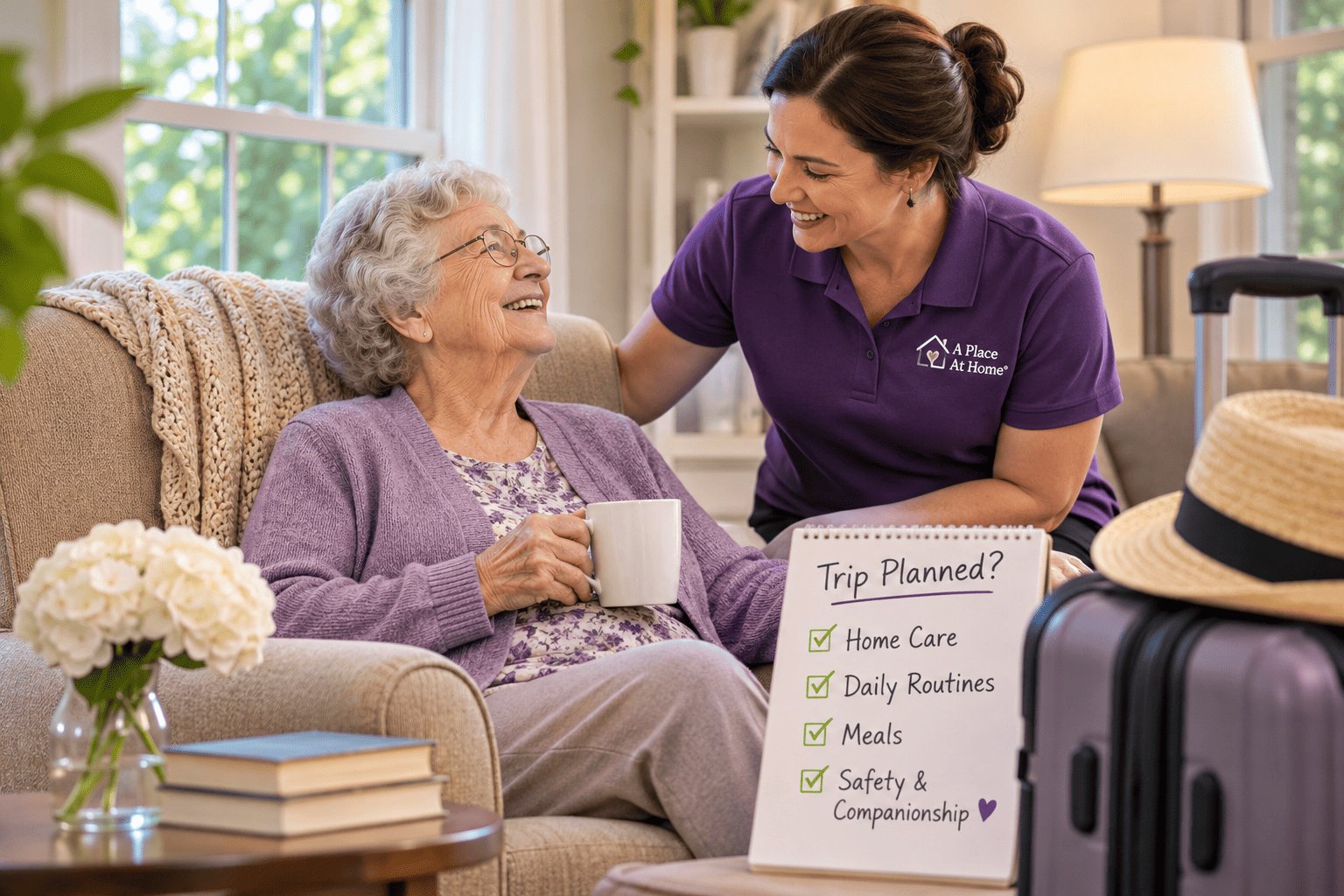

For most people recovering from a planned surgery, home is the better place to heal, as long as the right help is there. A rehab facility still makes sense for some patients, and this post covers both so you can decide with clear eyes.
The question usually comes up fast. Your mom’s hip replacement went well, and a discharge planner at the hospital in North Little Rock or Little Rock asks where she’s going next. You get a list of facilities, maybe a day to choose, and a lot of pressure to say yes to the first open bed.
Here’s what we’d want any Jacksonville family to know before that conversation.
When a Rehab Facility Is the Right Call
We’d rather lose a client than steer someone home who isn’t ready. A skilled nursing or inpatient rehab facility has nurses on site around the clock and therapy every day, sometimes several hours of it. For some people that matters more than anything else.
A facility is usually the safer choice when your loved one:
- Needs skilled nursing several times a day, like complex wound care, IV medications or close monitoring
- Can’t safely get from the bed to a chair or the bathroom, even with one person helping
- Had a stroke, major trauma or a surgery with serious complications
- Lives in a home that can’t be made safe in time, such as one with steep stairs to the only bathroom
- Would be home alone for long stretches with no realistic way to cover them
If the surgeon or hospital team strongly recommends a facility, take that seriously and ask them why. Their reason may change your mind, or it may be something home care can handle.
Why So Many Jacksonville Families Choose Home
For routine surgeries like knee and hip replacements, back surgery or a hernia repair, most people can recover at home with the right setup. Here’s what families tell us drove their decision.
Sleep Comes Easier at Home
Facilities are noisy at night, with alarms, roommates and vitals checks at 3 a.m. Most people sleep far better in their own bed, and sleep is when the body does much of its healing.
Fewer Outside Germs
Shared rooms and shared staff mean more exposure to infections. At home, your loved one is around one caregiver and family, not a whole hallway.
Family Stays Close
Jacksonville is a tight community, and plenty of families have kids and grandkids within a few miles. At home, they can drop by after work without checking visiting hours or driving across the river.
Familiar Surroundings Help the Mind
For older adults, a strange room can bring on confusion after surgery, especially at night. Their own kitchen, their own chair and their own dog on the porch keep them grounded.
Care Is One-on-One
A facility aide may have many patients to see. A home caregiver is there for one person, so help with the bathroom or a glass of water doesn’t mean waiting on a call light.
Recovery Happens Where Life Happens
Physical therapy in a gym is useful, but learning to get in and out of your own shower and up your own porch steps is what actually gets you independent again.
Home vs. Rehab Facility at a Glance
| Recovering at home with support | Rehab or skilled nursing facility | |
|---|---|---|
| Nursing on site | Visiting nurse through home health if ordered; no 24-hour nurse | Nurses on site around the clock |
| Therapy | Therapist visits at home, a few times a week | Daily therapy, often more hours |
| Help with daily tasks | One-on-one caregiver for the hours you choose | Shared aides across many patients |
| Sleep and comfort | Own bed, own routine | Shared or unfamiliar room, night checks |
| Infection exposure | Lower | Higher, with shared staff and spaces |
| Family visits | Anytime | Set visiting hours, travel required |
| Best for | Planned surgeries, stable recovery, a safe home | Complex medical needs, unsafe home, no one to help |
What Recovering at Home Actually Looks Like
Every surgery is different, but here’s a typical path for something like a joint replacement. Your surgeon’s instructions always come first.
Before Surgery
The best home recoveries start a week or two ahead. Move a bed downstairs if needed, clear walkways, pick up loose rugs and put a shower chair and raised toilet seat in place. Stock the freezer with easy meals. If you’ll be using a home care agency, set up the assessment now so the caregiver is ready on discharge day.
The First Few Days
This is when help matters most. Your loved one will be sore, tired and unsteady, and many falls happen in the first nights home. A caregiver can stay overnight, help with trips to the bathroom, keep pain medication on schedule with reminders, and make sure they eat and drink.
Weeks One and Two
Home health nurses and therapists usually visit a few times a week. Between visits, a caregiver helps with bathing, dressing, meals and light housework, and encourages the exercises the therapist assigned. They also watch for warning signs like fever, increasing redness at the incision, or new swelling in the leg, and let the family know right away.
Weeks Three to Six
Most people need less help as they get stronger. Care often drops from full days to a few hours, then to rides for follow-up appointments and outpatient therapy. The goal is to step back as soon as it’s safe.
How Families Pay for It
This is where a lot of confusion starts, because two very different services both get called “home care.”
Home health care is medical. It’s nurses and physical or occupational therapists who visit for short appointments. A doctor has to order it, and Medicare and many private plans usually cover it when the patient meets the requirements, including being largely homebound.
Non-medical home care is the help in between those visits: bathing, dressing, meals, rides, overnight stays and someone to make sure your loved one doesn’t fall reaching for the remote. Medicare generally doesn’t pay for this. Families usually pay privately or through long-term care insurance. Veterans may qualify for help through VA benefits, which is worth checking in a community with as many military families and retirees as Jacksonville.
Facility stays have their own rules. Medicare can cover a short skilled nursing stay after a qualifying hospital admission, but coverage has limits and you may owe a daily share after the first few weeks. Medicare Advantage plans often handle this differently, so call your plan before discharge.
Many families combine the two kinds of home care: home health for the medical side, plus a few hours or nights of non-medical help. For a lot of planned surgeries, that combination is all it takes.
Questions to Ask Before Your Loved One Is Discharged
Ask these while you’re still at the hospital. The answers will tell you whether home is realistic and what help you’ll need.
- What can they safely do on their own right now, and what can’t they?
- How long until they can shower, climb stairs or drive?
- Will home health nurses or therapists be ordered, and who will call us to set that up?
- What equipment do we need at home, and will it arrive before discharge?
- Which warning signs mean we should call the surgeon, and which mean we should go to the ER?
- When is the first follow-up appointment, and who’s driving them there?
- If we choose home and it isn’t working, how quickly can we change course?
Write the answers down. Discharge days are rushed, and it’s easy to walk out with a folder of papers and no clear plan.
Planning a Recovery at Home in Jacksonville
If your loved one has surgery coming up, or the hospital is already talking about discharge, you have more choices than the list of facilities you were handed. For many families, home with the right support is the faster, calmer way back.
A Place at Home helps families in Jacksonville and nearby communities with after-surgery care, from overnight stays the first week home to rides for follow-up visits. We’ll come out for a free in-home assessment, walk through the house with you and help you decide whether home is the right fit. If it isn’t, we’ll tell you.
Call us at (501) 214-1911 or reach out online to get started.