Transitional Care/Post Hospital Home Care in Eatontown, NJ
Coming home after a hospital stay or surgery is supposed to feel like a relief. For a lot of families in Eatontown, it does not. The discharge paperwork is confusing, the follow-up schedule is packed, and the person recovering is not nearly as ready to be on their own as the hospital may have implied. A Place At Home – Eatontown provides transitional care for seniors and adults in Eatontown, NJ so the weeks after a medical event do not become a crisis of their own.
What Transitional Care Is and Why It Matters
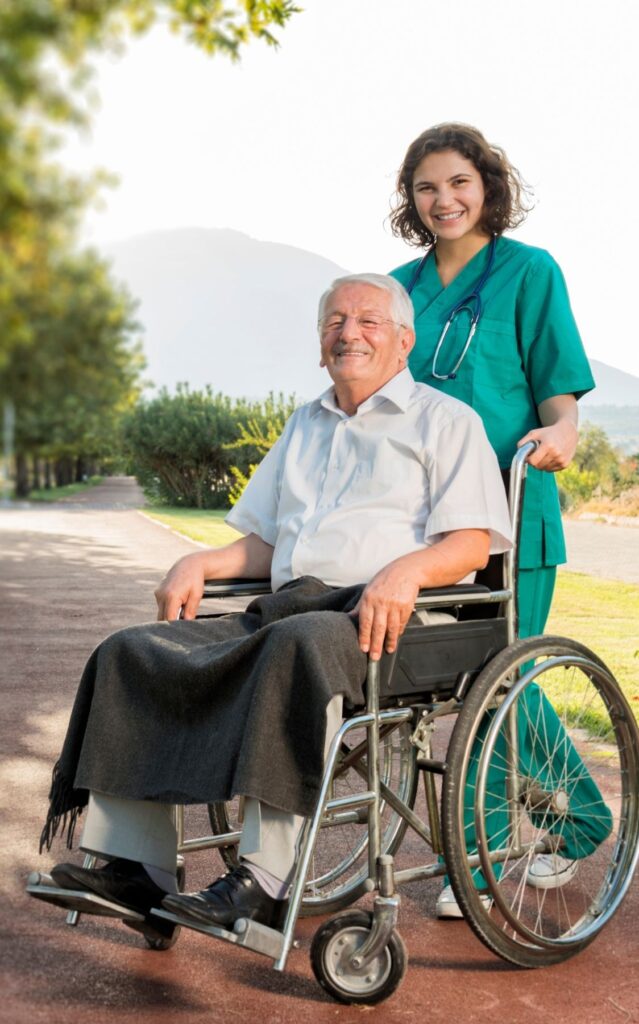
Transitional care is in-home support provided during the period immediately after someone leaves a hospital, rehabilitation center, or skilled nursing facility. It is not medical treatment. Our in home caregivers are not nurses and they do not manage clinical care. What they do is handle the practical, everyday side of recovery that discharge planners and home health agencies do not cover.
That gap is bigger than most families expect. A hospital will send someone home with instructions, prescriptions, and a follow-up appointment scheduled two weeks out. What they will not send home is someone to make sure those instructions are actually followed, that meals are being eaten, that the person is moving safely around the house, and that small problems get caught before they turn into reasons to go back.
That last part matters a lot. Hospital readmission within 30 days is one of the most common and most preventable outcomes for older adults after a medical event. It happens not because the clinical care was inadequate but because the support at home was not there. Transitional care exists specifically to fill that space.
What Our Transitional Caregivers Do in Eatontown, NJ
The specifics depend on what the person recovering actually needs, which we work out with your family before care begins. In general, transitional care through A Place At Home – Eatontown covers:
Personal Care Assistance
Bathing, dressing, and grooming take real effort when someone is recovering from surgery or a serious illness. Our caregivers help with the full personal care routine so your loved one stays clean, comfortable, and dignified without overdoing it physically during a vulnerable period.
Mobility Support and Fall Prevention
The weeks after a hospitalization are one of the highest risk windows for falls. Strength and coordination are reduced, medications can affect balance, and the person recovering is often pushing themselves harder than they should. Our caregivers provide steady support during movement around the home and help identify and clear anything that increases fall risk.
Medication Reminders
Discharge instructions often include new medications, adjusted dosages, and specific timing requirements. Missing doses or taking medications incorrectly is one of the most common reasons people end up back in the hospital after a procedure. Our caregivers make sure the medication routine is followed correctly every day.
Meal Planning and Preparation
Recovery requires proper nutrition and most people coming home from the hospital are not in a position to cook for themselves. Our caregivers plan and prepare meals that support healing, account for any dietary restrictions from the medical team, and make sure your loved one is actually eating enough throughout the day.
Light Housekeeping
A cluttered or unclean home creates real hazards for someone recovering. Our caregivers handle light housekeeping and laundry so the environment your loved one is recovering in is safe, organized, and comfortable without anyone having to stress about it.
Transportation to Follow-Up Appointments
Follow-up appointments after a hospitalization are not optional. Missing them is how complications go undetected. Our caregivers provide transportation to and from medical appointments and can accompany your loved one inside if needed.
Companionship and Emotional Support
Recovery is isolating. People who were active and independent before a medical event often find the adjustment to being home and limited genuinely difficult. Our caregivers provide consistent company and a calm, steady presence during a time that can feel discouraging.
Who Needs In-Home Transitional Care
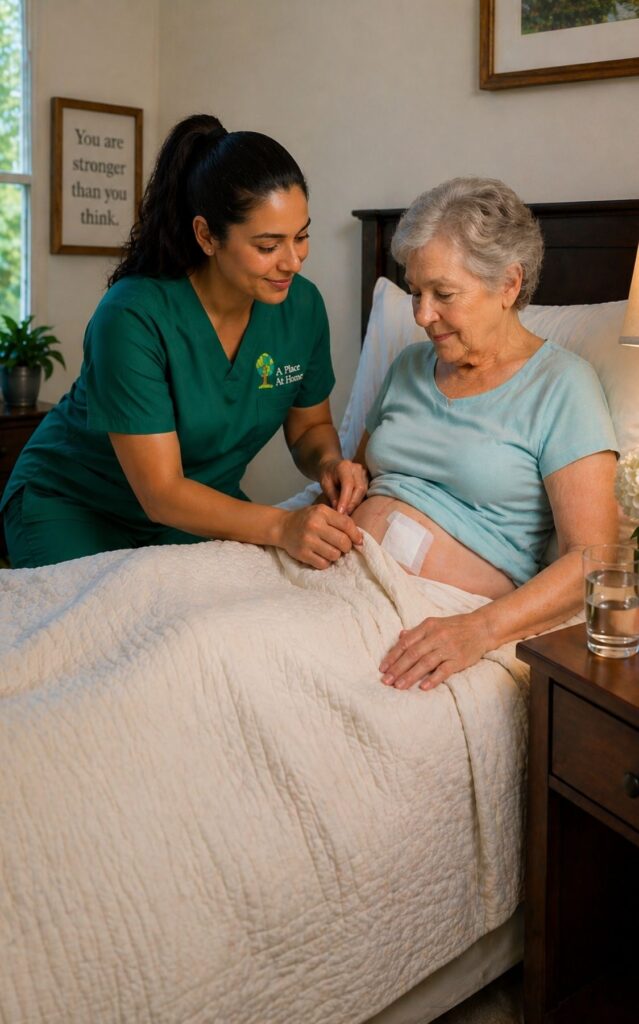
Transitional care is a good fit for anyone returning home after a medical event who needs more support than family can realistically provide on their own. That covers a wider range of situations than most people realize.
- Seniors recovering from orthopedic surgery such as a hip or knee replacement need significant help with mobility, personal care, and follow-up appointments. Many families we work with come to us after a stay at Monmouth Medical Center in Long Branch or Riverview Medical Center in Red Bank, where discharge happens quickly and the gap between leaving and feeling ready to be home is significant.
- Adults recovering from cardiac events including heart attacks or procedures often come home with activity restrictions, new medications, and dietary requirements that are hard to manage without help.
- Seniors discharged from a rehabilitation facility have often made real progress in a structured setting and then come home to an environment with far less support. For families transitioning out of a short-term rehab stay in Monmouth County, that shift can feel abrupt. Transitional care maintains the momentum of that recovery rather than letting it stall.
- Families who live far away or cannot take extended time off work during recovery. Having a trained caregiver there every day means the person recovering is not left to manage alone and no one is trying to coordinate care from a distance with incomplete information.
How to Get Started with Post-Hospital Home Care
Before transitional care begins, we meet with your family for a complimentary in-home consultation. We want to understand the full picture: what the medical event was, what the discharge instructions say, what the home environment looks like, and what your loved one is and is not able to do on their own right now.
From that conversation we build a care plan and get a caregiver in place quickly, because the beginning of the recovery period is when consistent support matters most.
We serve families in Eatontown, Red Bank, Long Branch, Little Silver, Tinton Falls, Middletown, and throughout Monmouth County.
Call Us If You Have Questions About Transitional Care in Eatontown, NJ
If your loved one is coming home from the hospital or finishing a rehabilitation stay, the time to get support in place is before they walk through the door, not after something goes wrong. Call A Place At Home – Eatontown at (732) 702-5710 and we are here to guide you.
Eatontown, NJ Transitional Care FAQs
It depends on the person and what they are recovering from. Most clients we work with need anywhere from two to six weeks of support before they are back to managing on their own. Someone recovering from a hip replacement tends to need more hands-on help in the first two weeks and then gradually less as strength and mobility return. Someone recovering from a cardiac event may need longer, especially if new medications and lifestyle adjustments are part of the picture.
No. Home health care is medical and typically involves nurses or physical therapists prescribed by a doctor. Transitional care through A Place At Home – Eatontown is non-medical. Our caregivers handle personal care, meals, mobility assistance, medication reminders, and daily routines. The two services often run alongside each other, and we coordinate with home health providers when that is part of the picture.
As early as possible. Ideally, care is in place before your loved one comes home so there is no gap between discharge and having support. If you know a discharge is coming, reach out to us as soon as you can so we have time to do a consultation and get a caregiver matched before the transition happens.
Yes. For many clients recovering from surgery or a serious illness, the overnight hours are actually the most vulnerable part of the day. If your loved one needs help getting to the bathroom at night, requires medication at specific overnight hours, or you are simply not comfortable leaving them alone after dark during recovery, we can build overnight care into the transitional care plan.
No. Because our transitional care services are non-medical, you do not need a doctor’s referral or certification to get started. You can call us directly and we will set up a consultation.
Testimonials
Discover CARE in Eatontown
A Place At Home Eatontown’s customizable non-medical services make the lives of seniors and their families even better. Learn more about the CARE programs available to seniors in Eatontown, Little Silver, Red Bank, and Long Branch when you reach out today.