
Vitamin D is one of the most critical nutrients for healthy aging, yet it is also one of the most commonly deficient in older adults. It plays a foundational role in bone strength, muscle function, immune defense, and even mental health. The problem is that many of its deficiency symptoms look a lot like normal aging, which means they often go unaddressed for months or years. This guide covers the key warning signs of vitamin D deficiency in seniors, why older adults are disproportionately at risk, and what can be done to restore healthy levels before serious complications develop.
Why Vitamin D Matters So Much as We Age
Vitamin D is not a passive nutrient. It actively regulates calcium absorption, supports muscle membrane function, modulates immune response, and influences serotonin production in the brain. For older adults, those functions directly affect day-to-day quality of life.
Here is what adequate vitamin D levels support in seniors:
- Bone integrity. Vitamin D enables the body to absorb and use calcium. Without it, bones become less dense over time, raising the risk of fractures from minor falls or even routine stress.
- Osteoporosis prevention. Osteoporosis affects millions of older adults and significantly increases fracture risk. Maintaining sufficient vitamin D is one of the most well-established ways to slow bone loss and reduce that risk.
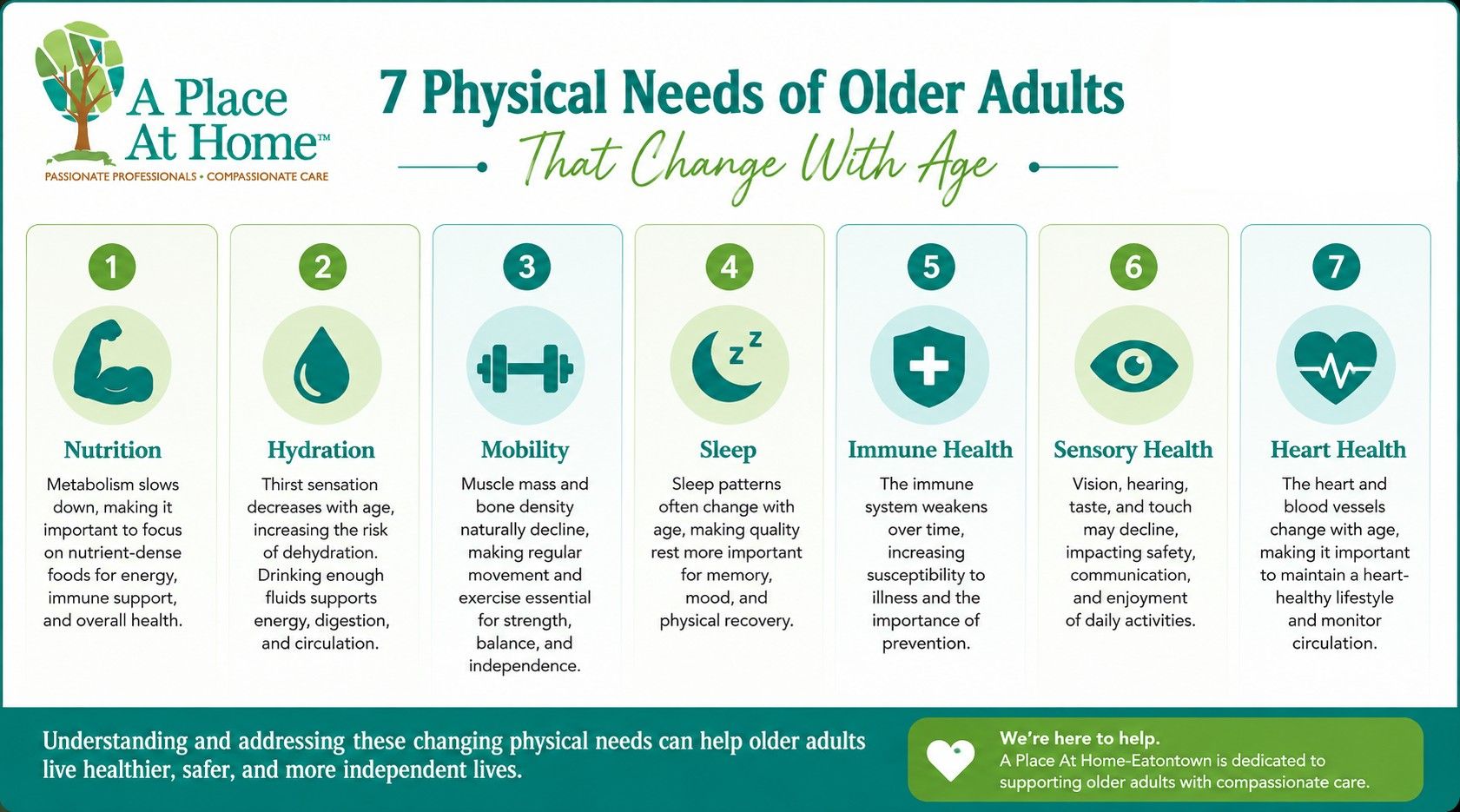
- Muscle strength and balance. Vitamin D helps transport calcium through muscle membranes, which is essential for normal muscle contraction and strength. Stronger muscles mean better balance, which means fewer falls. Muscle health is one of several physical needs that shift as the body ages. Learn more in our guide on the 7 Physical Needs of Older Adults That Change With Age.
- Immune function. Vitamin D helps regulate the immune system’s ability to fight off infections, including respiratory illnesses like influenza and pneumonia. It also plays a role in reducing chronic low-grade inflammation, which is associated with several age-related diseases.
- Cognitive and emotional health. Research suggests vitamin D may help protect against cognitive decline and support mood regulation. Seniors with low vitamin D levels have a higher incidence of depression and anxiety.
- Metabolic health. Adequate vitamin D is associated with better blood sugar regulation and a reduced risk of Type 2 diabetes and cardiovascular disease, both of which become more common with age.
Why Seniors Are at Higher Risk for Deficiency
This is not a minor gap. According to a 2024 meta-analysis published in the Indian Journal of Orthopaedics, nearly 60% of elderly individuals globally have vitamin D deficiency, defined as levels below 20 ng/mL — making it one of the most widespread nutritional deficiencies among older adults worldwide.
Vitamin D is often called the sunshine vitamin because the body produces it when skin is exposed to UVB rays. That process becomes significantly less efficient with age. Older adults produce approximately 75% less vitamin D from sun exposure compared to younger adults, even under identical conditions. Combined with the reality that many seniors spend the majority of their time indoors, the body’s main production pathway for vitamin D is largely unavailable.
Diet fills in some of the gap, but vitamin D is naturally present in very few foods. Fatty fish like salmon, sardines, and trout are among the best sources. Egg yolks and certain mushrooms contain smaller amounts. Many common foods, including orange juice, cereals, and plant-based milks, are fortified with vitamin D, but achieving adequate levels through diet alone is difficult for most people.
Medications also play a role. Cholesterol-reducing drugs such as colestipol and cholestyramine, corticosteroids like prednisone, and certain laxatives can reduce the body’s ability to absorb or use vitamin D and calcium. Seniors managing multiple health conditions are particularly vulnerable to this effect.
5 Signs of Vitamin D Deficiency in Older Adults
Because symptoms develop gradually, vitamin D deficiency is easy to overlook. These are the most common warning signs to watch for.
1. Persistent Fatigue That Does Not Improve with Rest
Fatigue in seniors is often attributed to poor sleep or natural aging, but ongoing exhaustion that does not respond to rest is a recognized symptom of vitamin D deficiency. If an older adult consistently feels drained regardless of how much they sleep, vitamin D levels are worth investigating.
2. Muscle Weakness and Heaviness
Some degree of muscle loss is expected with age, but vitamin D deficiency accelerates it. Seniors may notice a heaviness in the legs, difficulty rising from a seated position, trouble climbing stairs, or an unsteady or waddling gait. These changes are not just inconvenient; they increase the risk of falls significantly.
3. Bone Pain and Deep Aching
When vitamin D is insufficient, the body cannot properly mineralize bone tissue. This leads to a condition called osteomalacia, or bone softening, which causes a dull, deep ache in the bones and muscles, often felt in the lower back, hips, or legs. This pain is different from arthritis or joint discomfort; it tends to feel diffuse and persistent.
4. Frequent Falls
Falls are among the most serious health risks for older adults, and vitamin D deficiency contributes to them in two ways: weakened muscles reduce stability, and compromised bones increase the severity of any resulting injury. Hip fractures and traumatic head injuries from falls are a leading cause of hospitalization and loss of independence in seniors.
5. Mood Changes, Sadness, or Anxiety
Vitamin D directly influences serotonin production, the neurotransmitter responsible for mood stability and emotional well-being. Seniors with low vitamin D levels may experience increased sadness, irritability, or anxiety that feels unexplained. In some cases, this is misdiagnosed as general depression without vitamin D being considered as a contributing factor.
How Seniors Can Increase Vitamin D Levels
The most reliable approach for older adults is supplementation. The International Osteoporosis Foundation recommends 800 to 1,000 IU of vitamin D per day for adults over 60, specifically to support bone health and reduce fall risk. Some individuals with confirmed deficiency may require higher doses under medical supervision.
In addition to supplements, incorporating vitamin D-rich foods into daily meals helps maintain consistent levels. Good options include:
- Salmon, sardines, and rainbow trout
- Egg yolks
- Mushrooms exposed to sunlight
- Fortified foods such as dairy or plant-based milks, yogurts, and breakfast cereals
Check nutrition labels to confirm vitamin D content, as fortification levels vary by brand.
Modest, safe sun exposure can also help. Even 10 to 15 minutes of midday sunlight on exposed skin a few times per week supports vitamin D production, though this alone is rarely sufficient for older adults.
If symptoms are present or deficiency is suspected, a simple blood test ordered by a physician can confirm levels and guide an appropriate treatment plan.
How Caregivers Support Seniors at Home
Vitamin D deficiency rarely exists in isolation. It is often part of a broader pattern of nutritional gaps, limited mobility, reduced outdoor activity, and medication side effects that together affect a senior’s overall health. That is where consistent, attentive daily support makes a meaningful difference.
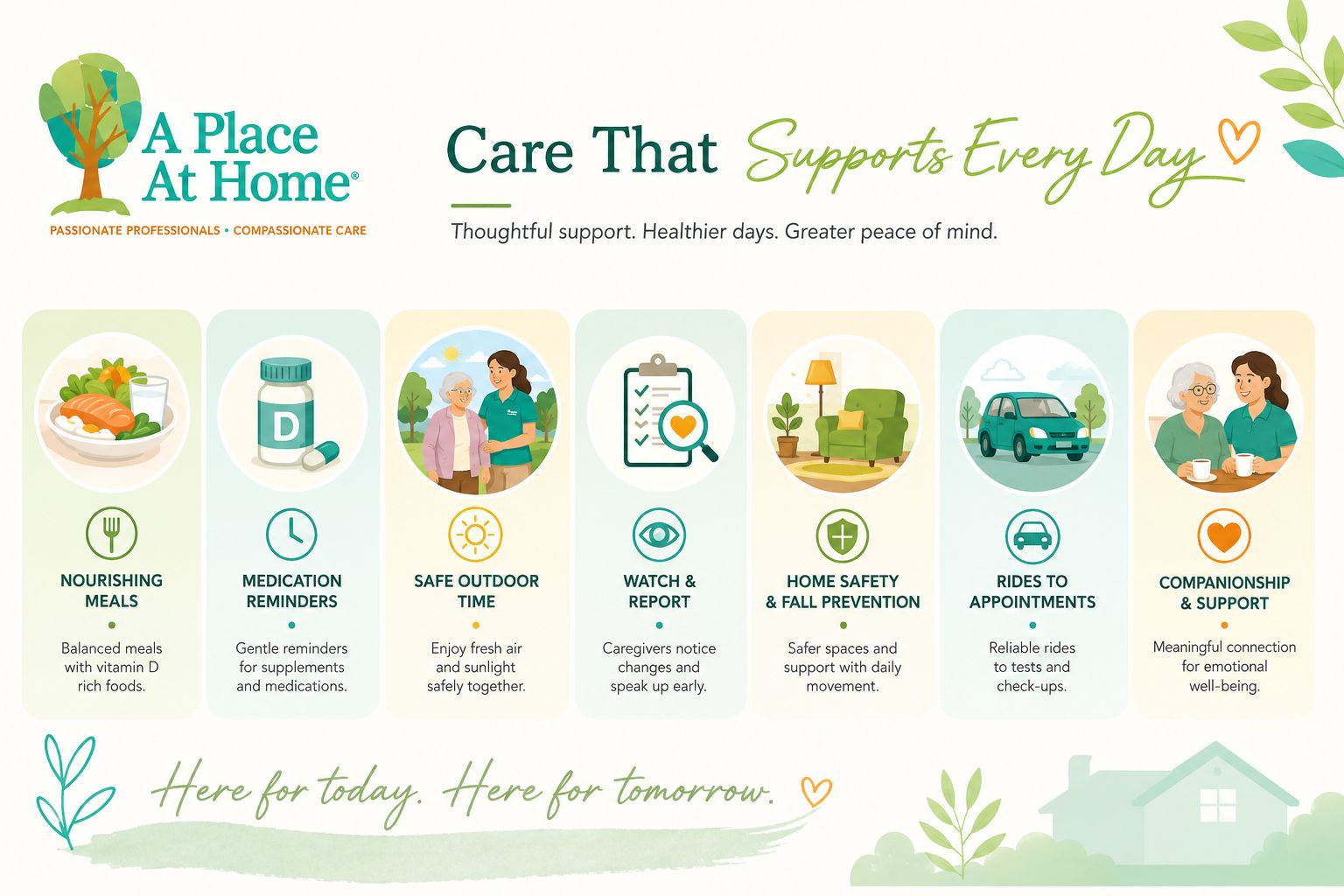
At A Place At Home-Eatontown, as a part of our home care services, our caregivers help seniors maintain the routines that support better nutrition, mobility, and long-term wellness. Here is how that support looks in practice:
Meal Planning and Preparation
Caregivers prepare balanced, nutrient-rich meals that include vitamin D-rich foods such as salmon, eggs, and fortified dairy or plant-based milks. For seniors who have lost their appetite or struggle to cook safely on their own, having a caregiver handle daily meals ensures they are consistently getting the nutrition their body needs rather than relying on convenience foods with little nutritional value.
Medication and Supplement Reminders
Many seniors take multiple medications daily, and vitamin D supplements are easy to forget or skip. Caregivers provide gentle, consistent reminders to help older adults stay on schedule with their supplements and medications, reducing the risk of gaps that allow deficiency to develop or worsen.
Safe Outdoor Activity and Sun Exposure
Encouraging seniors to spend short periods outdoors during daylight hours supports natural vitamin D production. Caregivers can accompany older adults on walks, sit outside with them, or help them get safely to and from outdoor spaces, particularly for seniors whose mobility or balance makes going outside independently a fall risk.
Observing and Reporting Changes in Condition
Because vitamin D deficiency symptoms develop gradually, they are easy to miss. Caregivers are trained to notice subtle changes such as increased fatigue, shifts in mood, unsteady walking, or complaints of bone and muscle pain and communicate those observations to family members and healthcare providers. Early reporting often leads to earlier intervention before symptoms become serious.
Fall Prevention and Home Safety
Weak muscles and compromised bone density from vitamin D deficiency significantly raise fall risk. Caregivers assess the home environment for hazards such as loose rugs, poor lighting, and cluttered walkways, and assist seniors with movement, transfers, and daily activities that could otherwise lead to a stumble or fall.
Transportation to Medical Appointments
Confirming vitamin D deficiency requires a blood test, and managing it often involves follow-up visits with a physician. Caregivers help coordinate and provide transportation to appointments, ensuring seniors do not miss testing or treatment due to lack of a reliable way to get there.
Companionship and Emotional Support
Low vitamin D levels are linked to depression and anxiety in older adults. Beyond physical care, caregivers provide consistent companionship that reduces isolation and supports emotional well-being. Having a familiar, trusted presence at home makes a measurable difference in a senior’s overall mood and motivation to stay engaged in healthy routines.
Ready to learn more?
If your family is looking for trusted senior home care in Eatontown, Tinton Falls, Red Bank, Neptune, or anywhere in Monmouth County, A Place At Home is here to help. Our in-home caregivers provide personalized support so older adults can age safely and comfortably where they feel most at home. Call us to schedule a free, no-obligation in-home care assessment today.
FAQs Related to Vitamin D Deficiency in Seniors
Can vitamin D deficiency be mistaken for dementia in seniors?
Yes. Low vitamin D levels can cause memory lapses, mental fog, and difficulty concentrating that closely resemble early dementia symptoms. Because these overlap, deficiency is sometimes overlooked as a cause. A blood test measuring serum 25(OH)D levels can rule out deficiency before pursuing a dementia diagnosis.
How long does it take to correct vitamin D deficiency in older adults?
Most older adults see meaningful improvement in vitamin D levels within 90 days of consistent supplementation at the recommended dose. A follow-up blood test at the three-month mark confirms whether levels have normalized or if dosage adjustment is needed.
Can seniors be vitamin D deficient even if they take a multivitamin?
Yes. Most standard multivitamins contain only 400 IU of vitamin D, which is less than half the 800 to 1,000 IU the International Osteoporosis Foundation recommends for adults over 60. A multivitamin alone is rarely enough to correct or prevent deficiency in older adults.
Does vitamin D deficiency affect sleep in seniors?
Yes, it is true. Vitamin D receptors exist in the brain regions that regulate sleep cycles. Low vitamin D levels in older adults have been associated with shorter sleep duration, more nighttime waking, and a higher likelihood of sleep disorders such as insomnia.
Does low vitamin D affect teeth and gums in seniors?
Yes. Vitamin D is required for calcium absorption, which directly affects tooth enamel strength. Seniors deficient in vitamin D have a higher risk of weakened enamel, gum disease, and tooth loss compared to those with sufficient levels.
How can elderly people check their vitamin D levels at home?
Seniors can check vitamin D levels at home using an at-home finger-prick blood test kit. These kits allow you to collect a small blood sample at home and mail it to a laboratory for analysis, with results showing whether vitamin D levels are too low, too high, or within the ideal range. Everlywell and CVS Health are among the most widely available options, with the CVS kit being the most affordable on the market. Look for kits that use CLIA-certified labs, as that ensures the same processing standards used by medical professionals. That said, reliability depends on the type of test, quality of the assay, proper sample collection, and how results are interpreted, so abnormal results should always be followed up with a physician for confirmation and guidance on treatment.