

A good day with mid-stage dementia isn’t a day without confusion. It’s a day where your loved one felt safe, did a few things they enjoyed, and went to bed calm.
Families often tell us they’ve stopped hoping for good days. They measure things by what went wrong: the question asked eleven times, the refused shower, the 4 p.m. insistence on going home while sitting in the house they’ve lived in for thirty years. Those moments are real, and they’re exhausting. But we see good days in the homes we work in every week, and they tend to look a lot alike.
Here’s what one looks like, hour by hour, and what makes it work.
First, what mid-stage usually means
Mid-stage is often the longest stretch of dementia, and it can last several years. Your loved one may still know who you are most of the time. They can usually walk, feed themselves and hold a conversation, even if it goes in circles.
What changes is the ability to organize a day. They may not know whether it’s morning or evening. They might put on two shirts, forget they just ate, or get upset without being able to say why. Many people in this phase need help starting a task more than finishing it. Hand someone a washcloth and they may wash their face just fine. Tell them to go take a shower and nothing happens.
That difference is the key to almost everything below. The person isn’t gone. They just need someone else to hold the structure of the day.
Morning: a leisurely, familiar beginning
Good mornings begin with a calm ritual. A caregiver greets your loved one by name, pulls back the curtains and allows your loved one to awaken gradually. Nobody rushes them out of bed to make an appointment.
It is easier for your loved one to choose between two options than to pick from a whole closet. “The blue sweater or the grey one?” is something that they can answer, while “What do you want to wear?” may be too complicated. Bathing usually goes more smoothly later in the day, once your loved one is fully awake, the bathroom is warm and the towels are laid out.
Breakfast remains the same every day, in the same place and in the same chair. That consistency doesn’t bore someone with dementia. It helps them feel comfortable and oriented. Morning medications can go with coffee.
Midday: something to do that feels useful

Many people with dementia are most alert in the late morning, so that’s the best time for activities. The best activities usually aren’t crafts or brain games, but the familiar chores they’ve done for years.
A retired bookkeeper might sort receipts. A woman who raised five children might fold a basket of towels, even if the dementia caregiver refolds them later. A former mechanic might organize a toolbox.
Getting out of the house counts too. That might be a slow walk in a neighborhood park during the cooler hours in Summerlin, or a trip to the grocery store when it isn’t busy. In summer, when temperatures hit 100 degrees by noon, outings move indoors to a mall or community center, or happen in the first couple of hours after breakfast. Then comes lunch, ideally with company. People usually eat better if they have companions while eating.
Late afternoon: getting ahead of sundowning
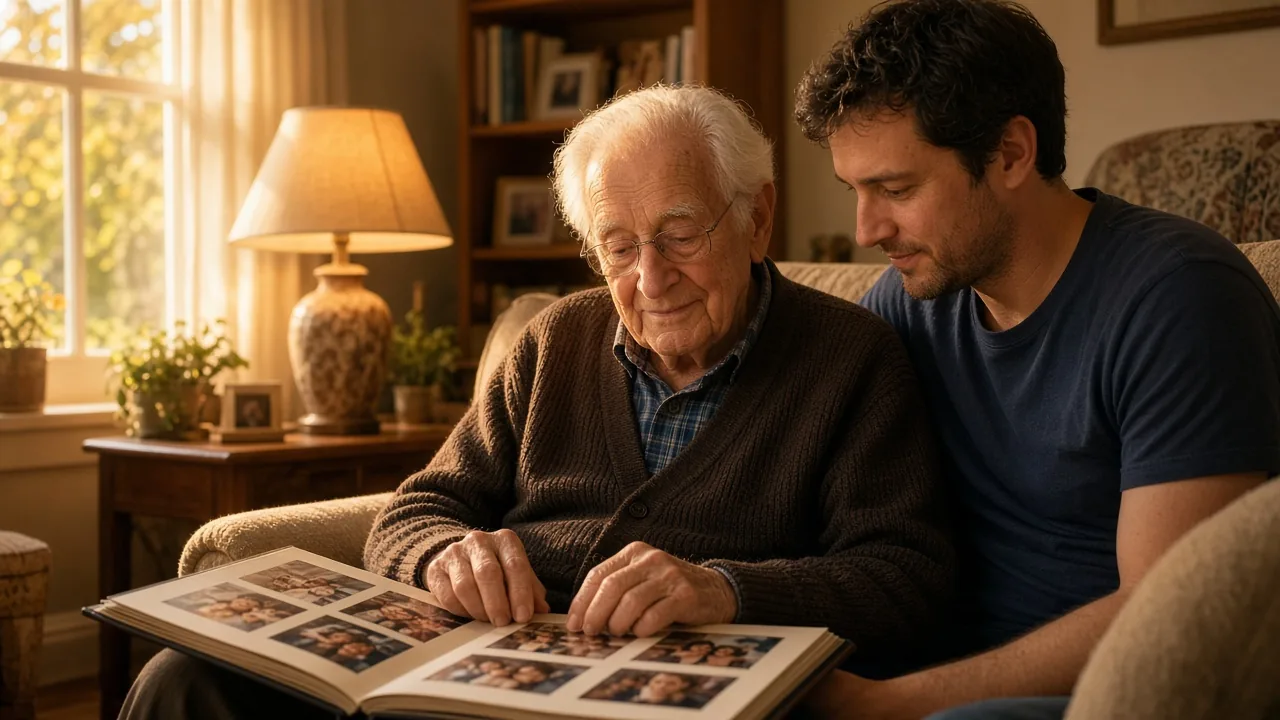
It isn’t your imagination if the person you care for becomes anxious, irritable or agitated in the late afternoon. This is known as sundowning and is one of the most frequent mid-stage dementia symptoms. On a good day, you plan for sundowning instead of reacting to it.
That means a short rest earlier in the afternoon so they aren’t overtired by 4 p.m. It also means turning the lights on before it gets dark, since shadows can look like people or holes in the floor.
It also helps to have a relaxing and familiar thing to do when the difficult time comes around. Music from their twenties is very effective. The same goes for a photo album, food, or even a drive. Telling them they’re already home rarely works. Asking "Tell me about your home" helps a lot.
Evening: winding down the same way every night
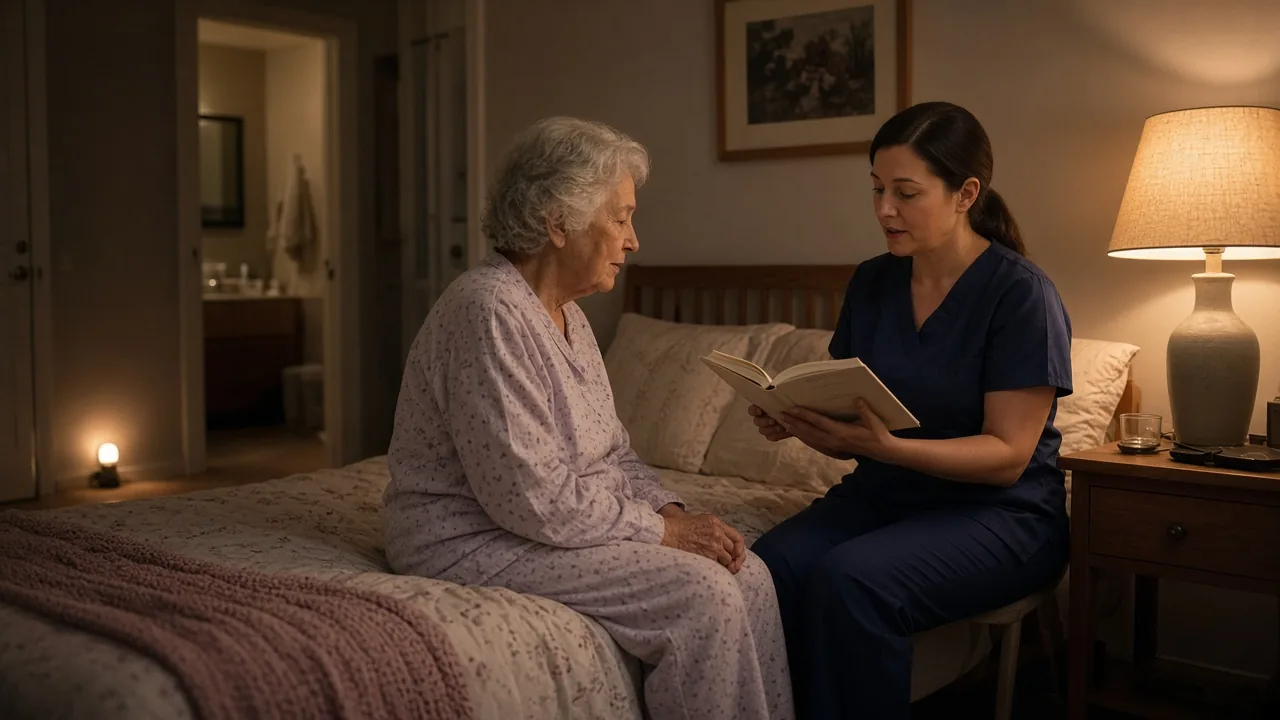
Dinner should be light, a little early, and above all relaxed. A heavy meal or coffee in the evening makes sleep harder.
After dinner, the routine matters more than the activity, and it should be the same every night: washing up, brushing teeth, putting on pajamas, then TV or someone reading aloud in soft light.
Night time is often the most difficult period for many families. Your loved one may wake up disoriented, try to get dressed at 2 a.m. or head for the front door. Night lights along the path from the bedroom to the bathroom prevent a lot of falls. If you’re the one getting up every night, overnight care can make a real difference.
What the good days have in common
When we look back at the best days our clients have, the activities vary a lot. The habits behind them don’t.
- The day has a shape. Meals, rest and bedtime happen at about the same time, so your loved one isn’t constantly guessing what’s next.
- People join their reality instead of correcting it. If Dad thinks he has to get to work, "Tell me about your job" goes a lot further than "You retired in 2001."
- Tasks get broken into single steps. One instruction at a time, with a gentle hand on the elbow if needed.
- They succeed at something. Folding towels, watering a plant or setting the table gives them a win, and wins matter.
- The same faces show up. A familiar caregiver learns that Mom hates cold washcloths and loves Patsy Cline. A new face every week has to learn that from scratch, and your loved one feels the difference.
None of this requires special equipment. It mostly requires patience and someone who isn’t running on four hours of sleep.
Also Read: Is Forgetting Names a Sign of Dementia?
When the day goes sideways anyway
Some days fall apart no matter what you do. That’s not a sign you’re doing it wrong.
When your loved one gets upset, look for a simple cause first. Hunger, thirst, pain, a full bladder, a room that’s too hot or too loud. People with dementia often can’t tell you they’re uncomfortable, so the discomfort comes out as anxiety. A glass of water and a quieter room fix more "behaviors" than most people would guess.
If something doesn’t work, drop it and come back in twenty minutes. A refused shower at 10 a.m. might go fine at 11. And if the hard days start to outnumber the good ones, or you notice sudden changes in sleep, appetite or confusion, call their doctor. A urinary tract infection or a medication side effect can look a lot like dementia getting worse.
You don’t have to build every good day yourself
Most families caring for someone with dementia are doing it along with jobs, kids and their own health. The routine described above is simple on paper. Keeping it up seven days a week, while also handling the 2 a.m. wake-ups, is what wears people down.
At A Place at Home – Summerlin, our caregivers help families in Summerlin and across the Las Vegas valley keep that routine going. That can mean a few hours each morning so you can get to work, afternoons to get ahead of sundowning, or overnight care so you can finally sleep. We take time to learn your loved one’s history, habits and preferences, and we match them with a caregiver who fits.
If you’d like to talk through what a good day could look like for your family, call us at (702) 903-2985 or reach out online to schedule a free in-home assessment. We’ll listen first.