

As our loved ones age, it’s natural to notice changes in their strength, balance, and overall mobility. But sometimes, those changes are linked to something more serious happening beneath the surface. One of the most common—and often overlooked—conditions affecting older adults is osteoporosis.
While it may not always show obvious symptoms at first, osteoporosis can quietly weaken bones over time, making even a minor fall much more dangerous. For families, understanding this condition is not just about health—it’s about safety, independence, and quality of life.
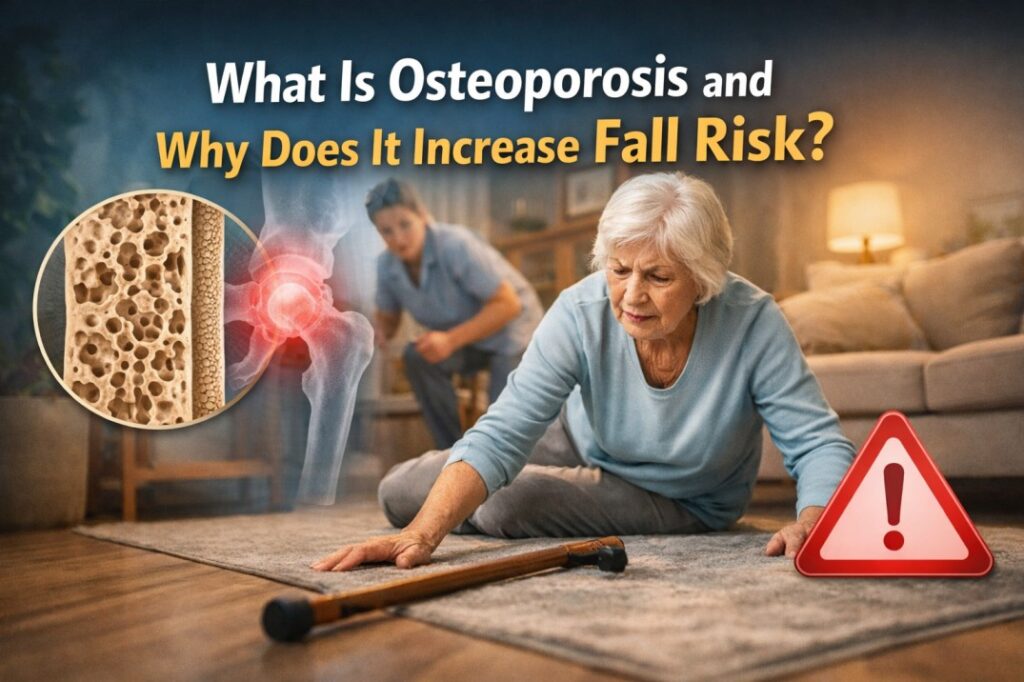
What Is Osteoporosis?
Osteoporosis is a condition that causes bones to become weaker, thinner, and more fragile. It develops gradually, often without noticeable warning signs, which is why it’s commonly referred to as a “silent disease.”
Inside the body, bone tissue is constantly being broken down and rebuilt. As we age, that balance shifts, and the body may begin to lose bone faster than it can replace it. Over time, this leads to a decrease in bone density and overall strength.
The area’s most commonly affected include:
- Hips
- Spine
- Wrists
For many people, the first sign of osteoporosis is a fracture that occurs after a minor fall or movement that normally wouldn’t cause injury.
Why Osteoporosis Is a Growing Concern
Osteoporosis is far more common than many people realize, and its impact on older adults continues to grow each year. In the United States alone, millions of individuals are already living with this condition, while many more have low bone density and may not even know they are at risk. According to the National Osteoporosis Foundation, approximately 10 million Americans have osteoporosis, and an additional 44 million have low bone mass.
As we age, bones naturally lose strength, but for those with osteoporosis, this process happens more rapidly and with more serious consequences. Research shows that nearly half of women and a significant portion of men over the age of 50 will experience a fracture related to weakened bones, as reported by the National Institutes of Health.
What makes this even more concerning is how closely osteoporosis is tied to falls—the leading cause of injury among older adults. The Centers for Disease Control and Prevention notes that falls are the primary cause of both fatal and nonfatal injuries in seniors. A simple slip or moment of imbalance can lead to an injury that dramatically changes a person’s mobility and independence.
Why Osteoporosis Increases Fall Risk
How Osteoporosis Increases Fall Risk
| Factor | What Happens | Why It Increases Fall Risk |
|---|---|---|
| Bone Density Loss | Bones become weak and brittle | Even minor falls can cause fractures |
| Posture Changes | Spine curves forward | Affects balance and stability |
| Muscle Weakness | Reduced strength with age | Harder to stay steady while walking |
| Slower Reflexes | Delayed reaction time | Less ability to prevent a fall |
| Fear of Falling | Reduced activity | Leads to further weakness and instability |
Osteoporosis doesn’t just make bones more fragile—it also contributes to physical and functional changes that make falls more likely.
As bone density decreases, posture can begin to shift. Many older adults develop a forward curve in the spine, which affects balance and stability. Muscle strength also declines with age, making it harder to stay steady while walking or standing.
Several factors come together to increase fall risk:
- Changes in posture that affect balance
- Reduced muscle strength and coordination
- Slower reaction time
- Increased fatigue during movement
There is also an emotional component. After a fall or near fall, many seniors become more cautious. Over time, reduced activity can lead to further weakness, increasing the likelihood of future falls.
How Osteoporosis Affects Daily Life
For seniors living with osteoporosis, the effects go beyond bone health. The condition can gradually make everyday tasks more challenging and reduce overall confidence.
You may notice your loved one:
- Taking longer to stand or sit
- Avoiding stairs or certain areas of the home
- Walking more slowly or cautiously
- Limiting activities they once enjoyed
These changes can lead to decreased independence and, in some cases, social isolation. Over time, this can affect both physical and emotional well-being.
Signs Families Should Watch For
Because osteoporosis develops quietly, families are often the first to notice subtle warning signs. Paying attention to these changes can help prevent more serious issues later.
Look for:
- Noticeable loss of height
- Rounded or hunched posture
- Back pain without a clear cause
- Difficulty with balance or walking
- Increased fear of falling
- Fractures from minor incidents
These signs may indicate that additional support or medical evaluation is needed.
How In-Home Care Can Help Reduce Risk
For seniors who want to remain at home, the right support can make a significant difference in preventing falls and maintaining independence.
At A Place At Home, caregivers provide both practical assistance and peace of mind. Support is tailored to each individual’s needs and daily routine.
Care services may include:
- Assistance with walking and mobility
- Help with bathing, dressing, and daily activities
- Safe transfers in and out of bed or chairs
- Medication reminders to reduce dizziness or confusion
- Identifying and reducing fall hazards in the home
Beyond physical support, caregivers also offer companionship and reassurance, helping seniors feel more confident and secure.
Steps Families Can Take to Improve Safety
There are several simple ways to reduce fall risk and support a loved one with osteoporosis.
Make the home safer:
- Improve lighting throughout the home
- Remove clutter and loose rugs
- Install grab bars in bathrooms
Support strength and mobility:
- Encourage light daily activity
- Focus on balance and flexibility
Promote healthy habits:
- Ensure proper calcium and vitamin D intake
- Stay hydrated
- Keep up with regular medical checkups
These small changes can make a meaningful difference over time.
The Emotional Side of Osteoporosis
While the physical risks are important, the emotional impact should not be overlooked. Many seniors begin to feel anxious about falling, which can lead to reduced confidence and independence.
Providing reassurance, encouragement, and consistent support can help rebuild that confidence and improve overall quality of life.
When It May Be Time to Consider Additional Support
If your loved one has experienced a fall, shows signs of instability, or begins to withdraw from daily activities, it may be time to consider in-home care.
Early support can help prevent injuries and provide peace of mind for both seniors and their families. It also allows individuals to remain in the comfort of their own home while receiving the help they need.
Final Thoughts
Osteoporosis is a condition that often develops quietly but can have a serious impact on safety and independence. Understanding its connection to fall risk is an important step in protecting aging loved ones.
With the right awareness, preventive steps, and supportive care, many falls can be avoided, and seniors can continue living safely and comfortably at home.
Also Read: How Does Poor Vision Increase Fall Risk in Seniors
Common Questions Families Are Asking About Osteoporosis
When families start learning about osteoporosis, the same concerns come up again and again. These are real questions people are asking when trying to understand what this diagnosis means for their loved one.
Can osteoporosis be reversed, or is it permanent?
This is one of the first questions many families ask. While osteoporosis can’t always be fully reversed, it can absolutely be managed. With the right combination of medical care, nutrition, and physical activity, many seniors are able to slow bone loss and reduce their risk of fractures.
What matters most is consistency. Small, ongoing changes—like improving diet, staying active, and following a care plan—can make a meaningful difference over time.
How serious is osteoporosis really?
Osteoporosis is often underestimated because it doesn’t always cause noticeable symptoms early on. However, the real concern is not just the condition itself—it’s what can happen because of it.
A simple fall that might not affect a healthy adult can lead to a serious fracture in someone with osteoporosis. These injuries can impact mobility, independence, and overall quality of life, which is why prevention and support are so important.
Can someone with osteoporosis still live independently?
Yes, many seniors with osteoporosis continue to live independently, especially in the early stages. However, as the condition progresses, having the right support can make a big difference.
In many cases, even small adjustments—like help with daily tasks or improving home safety—can allow seniors to remain in their homes safely for much longer.
What are the early warning signs people usually miss?
Because osteoporosis develops gradually, the early signs are often subtle and easy to overlook.
Families may notice:
- A slight loss in height
- Changes in posture, such as a rounded back
- Increased difficulty with balance
- Complaints of back discomfort without a clear cause
These changes often appear before a serious fall occurs, making early awareness especially valuable.
Why do people with osteoporosis fall more often?
It’s not just the bones that are affected. Osteoporosis is often linked with other age-related changes that increase fall risk.
These may include:
- Reduced muscle strength
- Slower reaction time
- Changes in posture
- Increased fear of falling, which leads to less movement
Over time, these factors combine to make falls more likely without proper support.