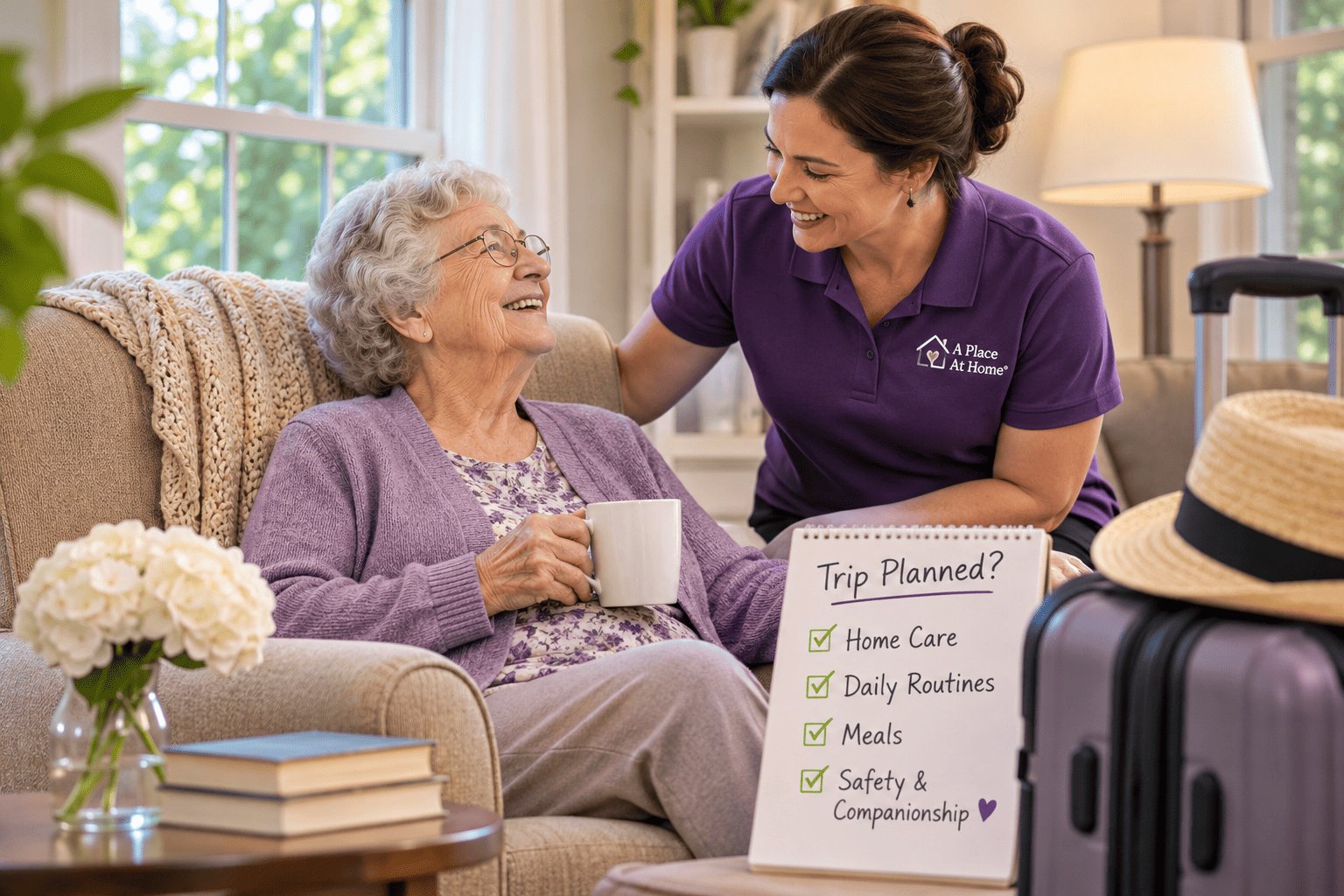
Family vacations should be an enjoyable experience, but planning one can turn into a hassle if a member of the family is elderly and finds traveling hard.
Maybe Grandma cannot walk great distances. Maybe Grandpa suffers from dementia and gets lost or confused in new places. Your loved one might simply like being at home rather than traveling around, but you do not feel right leaving them alone for days on end.
But that does not mean you have to cancel the vacation for everyone.
Short-term home care can provide companionship, personal care, food service, supervision and assistance with daily living activities when caregivers are away. Temporary in-home care is a convenient solution for families who need to ensure their loved ones continue receiving care at home within Little Rock and Central Arkansas communities.
When Traveling with an Older Adult Is Not the Best Option
Seniors often love traveling; however, travel may become harder as mobility and memory problems arise, or general health condition worsens.
Airports, long drives, hotel restrooms, unfamiliar bed, crowds, and changing schedules are stressful for even healthy elderly person.
Travel may be especially difficult when your loved one:
- needs help walking or transferring
- uses a walker or wheelchair
- becomes confused in unfamiliar surroundings
- needs assistance bathing or dressing
- has trouble remembering medications
- wakes frequently during the night
- becomes anxious when routines change
- tires easily after short periods of activity
Sometimes staying at home may be easier than travel in such cases. The question then becomes: Who will help while the family is outside?
Short-Term Home Care Can Fill the Gap
Home care does not have to be a permanent arrangement.
Some people hire professionals for home care only when they are going for vacation or business trips or any special occasions like marriage, holidays, etc., at which time the family member who usually looks after the patient is not around.
It could be a short period that can be from a few hours, days, or even longer based on the requirement of the individual. A caregiver may visit during specific parts of the day or provide more extensive support if your loved one should not be left alone.
1. Companion Care While You Are Away
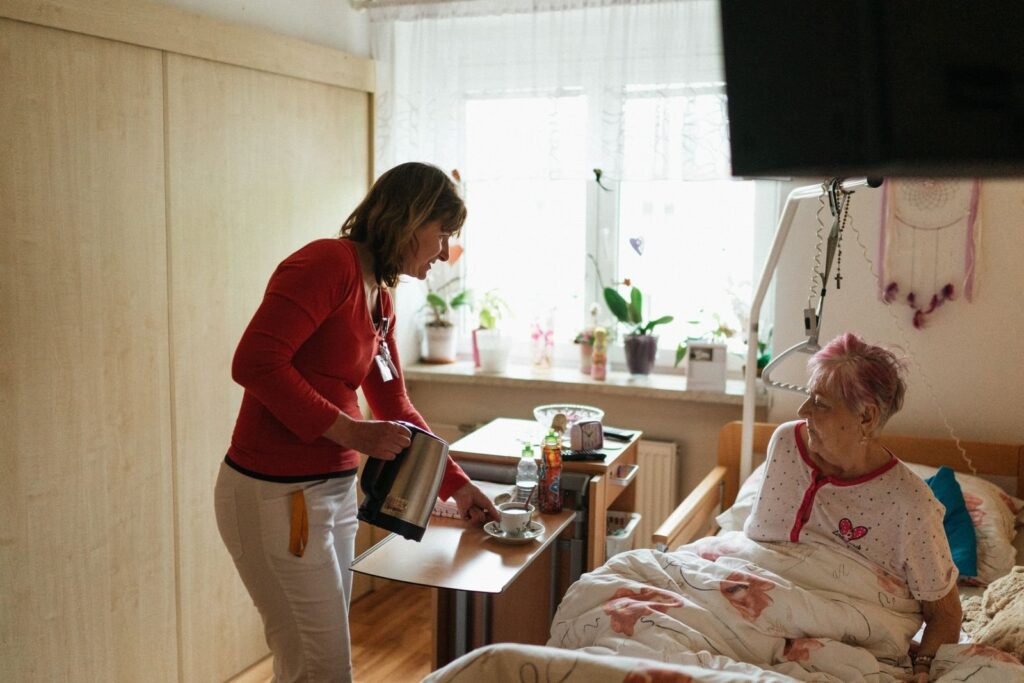
A senior who is mostly independent may not need hands-on personal care but may still benefit from having someone check in regularly.
Companion care can provide:
- conversation and social interaction
- meal preparation
- reminders for everyday routines
- help with light household tasks
- walks or simple activities when appropriate
- errands
- a familiar person checking in throughout the day
This can be especially helpful for seniors who live alone and may otherwise spend several days with very little social contact.
2. Personal Care for Daily Routines
If your parent or grandparent always depends on you for bathing, dressing, using the bathroom, or going to sleep at night, their needs will not be suspended simply because you are away from home.
A qualified caregiver will assist them by following the established routine.
Personal care may include assistance with:
- bathing
- dressing
- grooming
- toileting
- mobility
- getting in and out of bed
- meal preparation
- everyday hygiene
Having a caregiver follow the person’s usual schedule can also make the temporary change easier to manage.
3. Respite Care for Family Caregivers
As the main caregiver, you may feel guilty when going on vacation. Yet sometimes it is essential to take some time off.
Respite care is a type of program aimed at providing family caregivers a period of rest while ensuring that their loved one remains well-cared-for.
You may use respite care for:
- a weekend trip
- a week-long vacation
- visiting family out of state
- attending a wedding
- work travel
- holidays
- simply taking a few days to rest
The goal is not to replace the family caregiver. It is to provide reliable coverage until you return.
4. Overnight Care When Your Loved One Should Not Be Alone
Many seniors cope relatively well during the day but require more assistance in the evenings.
Your elderly loved one might wake up for a bathroom break, feel confused in the dark, require assistance to get out of bed, or pose the risk of falling.
Since you normally take care of him/her at night, it is worth giving some thought to overnight care prior to your departure.
Having an overnight caregiver will be able to give your senior loved one a hand and provide peace of mind.
5. Dementia Care During a Family Trip
Moving around and changing routines can be quite hard on a person who is suffering from Alzheimer’s disease or any other type of dementia.
Staying within their own familiar space at home will lessen some of the confusion regarding being in a new place.
A caregiver can help maintain familiar routines, prepare meals, provide companionship, assist with personal care, and offer supervision when needed.
Make sure you let the caregiver know the regular routine, activities your loved one usually does, mealtimes, bedtime, and anything that causes them stress.
The more familiar the days feel, the easier the transition may be.
Planning Care Before You Leave

Do not wait until the night before your trip to think about coverage.
A little planning can make the experience much easier for everyone.
Before leaving, consider:
- what times of day your loved one normally needs help
- whether they can safely stay alone between caregiver visits
- medications and established reminder schedules
- meals and dietary preferences
- emergency contacts
- upcoming appointments
- mobility needs
- bedtime routines
- pets that may also need attention
- who should be contacted if something changes
It can also help to introduce your loved one to the caregiver before the trip whenever possible.
How Much Short-Term Care Does Your Loved One Need?
There is no one schedule that works for every family. A senior who is mostly independent may only need a few hours of companionship each day.
Someone who needs help with bathing, meals, mobility, and bedtime may need morning and evening visits. A person with dementia or significant safety concerns may need more continuous supervision.
Think about what you normally do for your loved one during a typical day. That is often the best starting point for determining how much temporary support may be needed.
Short-Term Home Care in Central Arkansas
For families in Little Rock, Benton, Bryant, Sherwood, Jacksonville, Maumelle, Mabelvale, and nearby Central Arkansas communities, A Place at Home can provide temporary non-medical home care while family caregivers are away.
Care may include companionship, personal care, meal preparation, medication reminders, mobility assistance, respite care, overnight support, and help with familiar daily routines.
The care plan can be built around the length of your trip and the level of assistance your loved one normally needs.
You do not have to choose between taking the trip and worrying about your loved one the entire time.
With a plan in place, your parent or grandparent can remain in familiar surroundings while receiving dependable support until you return.
Planning a Trip? Arrange Care Before You Leave
If you have travel coming up and are concerned about leaving an aging parent or grandparent alone, A Place at Home can help you plan short-term support around their routine.
Contact A Place at Home in Little Rock to discuss respite care, companion care, personal care, or overnight home care while your family is away.