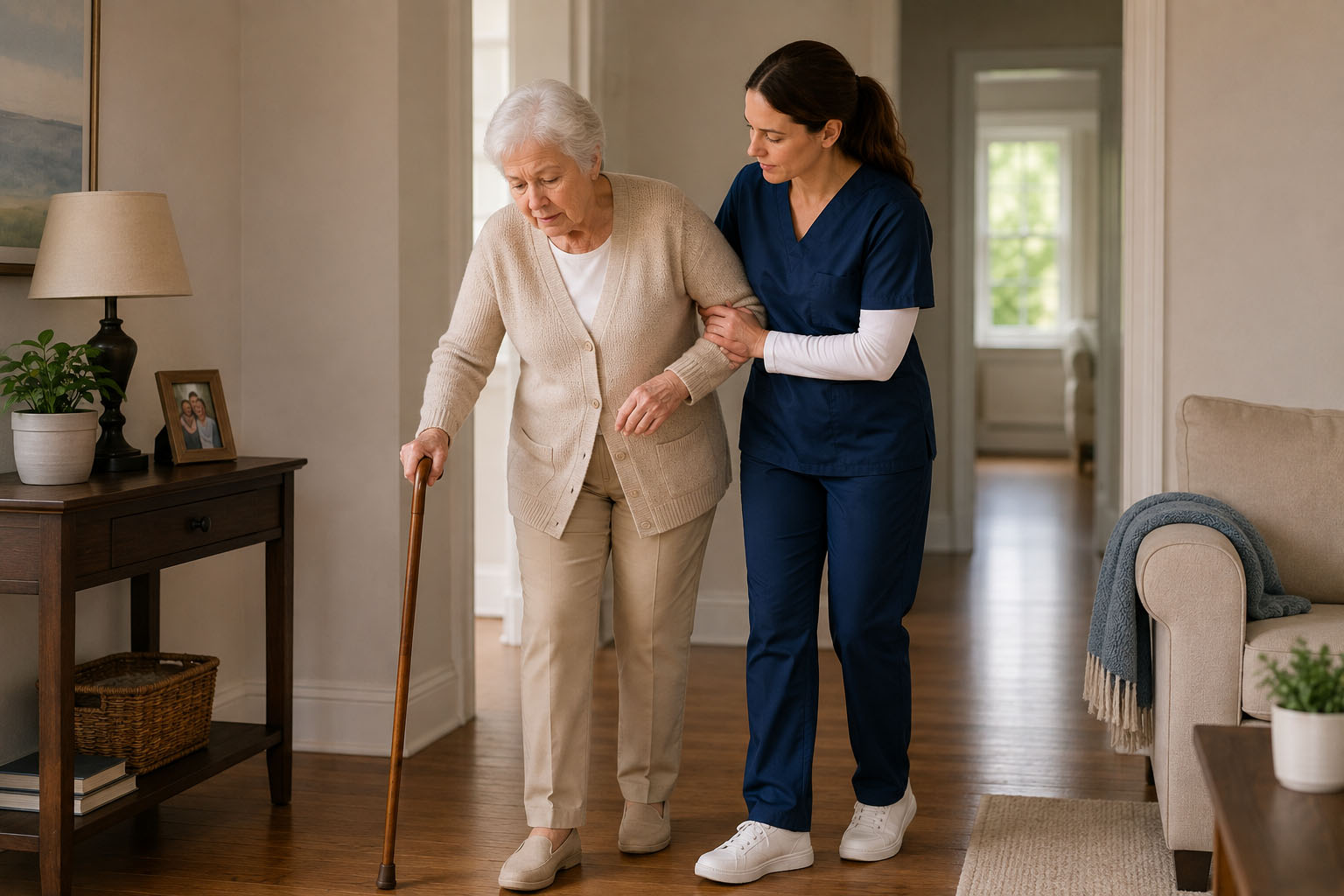

Coming home from the hospital is often a relief, but it can also be the point when families realize just how much help an older loved one still needs.
A senior may be medically stable enough to leave the hospital but still feel weak, tired, unsteady, or overwhelmed by everyday tasks. Bathing may take more effort. Preparing meals may be difficult. Walking from one room to another may feel less secure than it did before the hospital stay.
For families in Jacksonville, AR this is where post-hospital home care can help bridge the gap between discharge and a more comfortable return to everyday life.
Post-hospital home care provides non-medical assistance with daily activities, routines, mobility, meals, transportation, and companionship while a senior recovers at home. It can also give family caregivers added support during a period when a loved one may need more attention than usual.
Why Can the First Days at Home Be Difficult After a Hospital Stay?
The first days after discharge can be challenging because a senior may be home before they have fully regained their normal strength, mobility, or confidence.
Hospital discharge means the care team has determined that the patient no longer needs that level of hospital care. It does not necessarily mean the person is ready to immediately return to everything they were doing before.
CMS emphasizes the importance of discharge planning and making sure patients and caregivers understand the care plan that should be followed after leaving the hospital.
At home, families may suddenly find themselves responsible for questions such as:
- Who will stay with Mom during the day?
- Can Dad safely get to the bathroom on his own?
- Who will prepare meals?
- How will we get to follow-up appointments?
- Is someone available to remind them about their medication schedule?
- What happens when family members have to return to work?
These are not necessarily medical problems. They are often practical day-to-day needs that become more noticeable during recovery.
Is Post-Hospital Home Care the Same as Home Health Care?
No. Non-medical home care and home health care serve different purposes, although a senior may receive both at the same time.
Home health care generally refers to skilled services such as nursing or therapy provided under qualifying circumstances. Medicare, for example, has specific eligibility and coverage requirements for home health services.
Non-medical home care focuses on the parts of daily life that may still be difficult during recovery.
For example, a physical therapist may work with a senior on improving strength or walking technique. A home caregiver may then help the person safely get ready in the morning, prepare lunch, move around the house, and maintain the routine recommended by the care team.
Who May Benefit From Home Care After Hospital Discharge?
A senior may benefit from post-hospital home care when they are medically stable but still need help managing daily life safely at home.
Common situations include recovery after:
- Surgery
- A fall or injury
- A hospital stay related to illness
- Joint replacement
- A stroke
- A cardiac event
- A respiratory illness
- A period of significant weakness or deconditioning
Sometimes the need is obvious. Other times, families only recognize it once their loved one returns home.
A person who previously managed independently may now need help standing, bathing, cooking, or getting around safely for several days or weeks.
What Signs Suggest a Senior May Need Extra Help at Home?
Having difficulty walking safely, managing personal care, preparing meals, or following the discharge routine may indicate that additional support would be helpful.
Families should pay attention to changes such as:
Increased Weakness or Unsteadiness
A hospital stay can leave an older adult feeling weaker than expected. If your loved one is holding onto furniture, struggling to stand, or hesitating to move around the house, they may need additional assistance.
Home safety is particularly important during recovery. The National Institute on Aging recommends measures such as good lighting, reducing tripping hazards, securing rugs, and using appropriate safety equipment to lower fall risks for older adults.
Difficulty With Bathing or Dressing
Activities that once took ten minutes may suddenly require much more effort.
A caregiver can provide respectful assistance while allowing the senior to continue doing whatever they can comfortably manage on their own.
Skipping Meals
Fatigue can make cooking feel like too much work.
A senior may rely on snacks, skip meals altogether, or struggle to keep groceries in the home. Meal preparation support can make the recovery routine easier.
Confusion About the Daily Routine
Discharge instructions can involve new appointments, medication schedules, activity restrictions, or therapy routines.
Caregivers do not provide medical advice, but they can help seniors stay organized around the routine established by their healthcare providers.
Family Members Cannot Be There Throughout the Day
Many adult children can help before work, in the evening, or on weekends but cannot provide continuous support.
Home care can help fill those gaps without requiring one family member to manage everything.
How Can a Caregiver Help Make the Home Safer After Discharge?
A caregiver can support safer daily routines by assisting with mobility, keeping commonly used areas organized, and helping a senior avoid unnecessary strain while recovering.
Small adjustments can make everyday movement feel much more manageable.
A caregiver can also be present during routine activities that may temporarily feel less secure, such as showering, dressing, or walking through the house.
Can Home Care Help With Follow-Up Appointments?
Yes. Non-medical home care can help with transportation and practical support for follow-up appointments when transportation is included in the care plan.
Recovery often involves more than simply resting at home.
A senior may need to return for:
- Physician follow-ups
- Physical therapy
- Occupational therapy
- Specialist visits
- Laboratory testing
- Other outpatient services
For families balancing work and other responsibilities, arranging transportation for every appointment can quickly become difficult.
Having reliable assistance can help keep the recovery schedule more manageable.
How Can Post-Hospital Care Help Family Caregivers?
Home care can reduce the amount of day-to-day responsibility placed on a spouse, son, daughter, or other family caregiver during recovery. The weeks after a hospital stay can be intense.
A family member may be coordinating appointments, picking up prescriptions, preparing food, checking on the home, talking with healthcare providers, and worrying whenever the senior is alone.
The National Institute on Aging offers caregiving resources specifically designed to help families coordinate responsibilities and divide caregiving tasks among others. Professional home care can become another part of that support system.
Instead of one person trying to cover everything, a caregiver can handle certain daily needs while family members remain involved in the areas that matter most to them.
When Should Families Arrange Home Care?
Ideally, families should begin discussing home care before the discharge date whenever it appears that a senior will need help with everyday activities.
You do not need to wait for a crisis. If the discharge team says your parent will need supervision, if mobility has changed, or if family members already know they cannot cover the necessary hours, it makes sense to start planning early.
Even temporary support can make the transition home feel less overwhelming.
Post-Hospital Home Care in Jacksonville, AR
For families in Jacksonville, AR and surrounding communities, returning home after a hospital stay can bring both relief and uncertainty.
The goal does not have to be doing everything immediately.
Sometimes a safer recovery begins with accepting help with the ordinary parts of the day — getting dressed, preparing breakfast, moving through the house, getting to an appointment, or simply having someone nearby.
A Place At Home provides non-medical post-hospital home care for seniors and adults who need additional support after returning home. Care can be personalized around the person’s routine, abilities, family involvement, and changing needs.
If your loved one is preparing to leave the hospital or has recently returned home, discussing the care plan early can help your family determine what kind of support would make the transition easier.