How Often Should Seniors Bathe? A Guide for Senior Hygiene & Safety

How Often Should Seniors Bathe - A Place At Home

As seniors age, they may begin to face challenges in maintaining personal hygiene. Family members or caregivers often notice early signs such as unkempt hair, stained clothing, body odor, or a general decline in grooming habits. These changes may stem from conditions like dementia, limited mobility, chronic health issues, or the natural effects of aging, including fatigue and forgetfulness.

Understanding how often seniors should bathe is an important part of protecting their health, safety, and dignity. In this guide, we explain recommended bathing frequency for elderly adults, factors that influence how often an elderly person should bathe, reasons some seniors resist bathing, and the risks of bathing too frequently or too infrequently. You will also find safety tips, signs that a senior may need help with hygiene, and how home care services can support healthy bathing routines.

According to the National Institute on Aging, many seniors only need to bathe two to three times per week, depending on their health, activity level, skin condition, and personal needs. On days without a full bath or shower, sponge baths or targeted cleansing can help maintain hygiene while protecting aging skin.

What Is the Recommended Bathing Frequency for Seniors?

For most older adults, bathing two or three times a week is generally sufficient to maintain proper hygiene for elderly individuals. Senior care professionals and home care providers often recommend this bathing frequency because aging skin is thinner, drier, and more prone to irritation than younger skin.

Between full baths or showers, seniors can use a warm washcloth to cleanse areas that need extra attention, such as the face, underarms, groin, and feet. This approach is especially important for seniors who use incontinence products, as regular targeted cleansing helps prevent skin irritation, infections, and discomfort. While there is no universal answer to how often seniors should shower, this routine balances cleanliness with skin protection and safety.

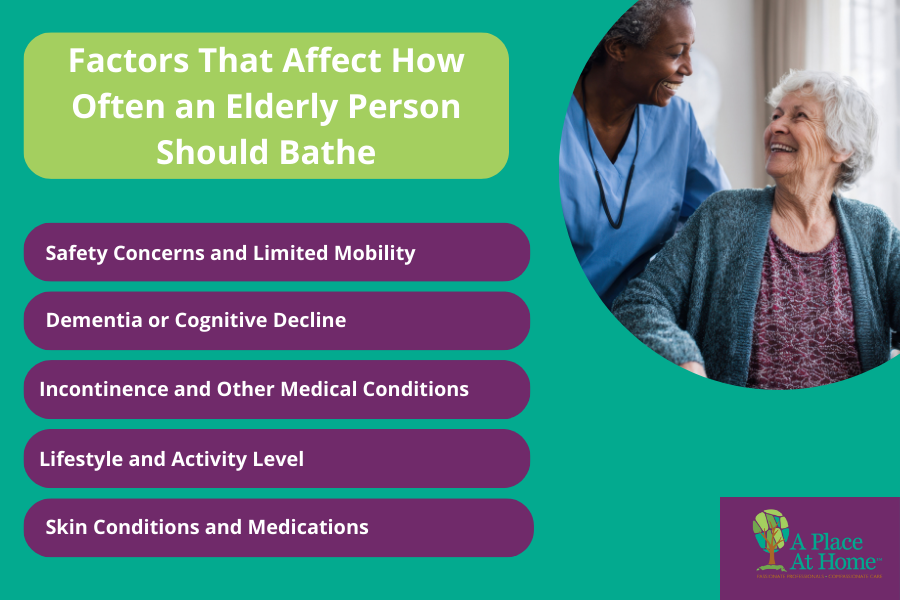
Factors That Affect How Often an Elderly Person Should Bathe

Several personal and medical factors influence how often an elderly person should bathe. According to government health statistics, an estimated 1.6 million older adults (age 65+) need help with bathing in daily life. Prevalence increases with age, especially over age 85. Understanding these factors helps caregivers create a safe, realistic, and effective hygiene routine.

Safety Concerns and Limited Mobility

Seniors who have difficulty standing, balancing, or moving safely may be at a higher risk of falls in the bathroom. Even with safety equipment such as grab bars, non-slip mats, and shower chairs, some seniors require hands-on assistance to bathe safely and consistently. When mobility is limited, fewer full baths combined with daily hygiene support is often safer than frequent showers.

Read: 12 Leg-Strengthening Exercises for Seniors to Prevent Falls

Dementia or Cognitive Decline

Seniors with dementia or other cognitive conditions may not recognize when they need to bathe or may forget the steps involved in bathing. In these situations, caregivers often need to provide gentle reminders, structure, or direct assistance. For individuals with dementia, predictable routines and calm guidance can reduce anxiety and make bathing less stressful.

Incontinence and Other Medical Conditions

Medical conditions such as incontinence, skin infections, diabetes, or chronic illness may require modified bathing routines. While full bathing may not be needed daily, maintaining cleanliness in sensitive areas is essential to prevent irritation, odors, and infections such as urinary tract infections (UTIs).

Lifestyle and Activity Level

Bathing frequency for seniors often depends on daily activity. Seniors who exercise, sweat, or spend time outdoors may need to bathe more often than those with a lower activity level. Caregivers should consider individual routines when determining how often an older adult should bathe.

Skin Conditions and Medications

Many older adults have sensitive skin or take medications that affect skin hydration. Frequent bathing can worsen dryness, itching, or flaking. Using gentle products and limiting full baths can help protect the skin while still maintaining proper hygiene.

What Affects How Often an Elderly Person Should Bathe - A Place At Home

Why Seniors May Resist Bathing

Some seniors resist bathing due to fear of falling, pain, loss of independence, embarrassment, or cognitive changes. For individuals with dementia, the bathing process can feel confusing or overwhelming, leading to anxiety, agitation, or refusal. Understanding why a senior resists bathing is essential. When caregivers address the root cause with patience and respect, they can create a more positive and cooperative bathing experience.

Risks of Bathing Too Frequently

Bathing too often can strip the skin of its natural oils. For elderly adults, this may lead to dryness, itching, flakiness, and cracked skin, which can increase the risk of irritation or infection. While daily showers may be appropriate for younger adults, frequent bathing is often unnecessary and unhealthy for seniors. In most cases, bathing two to three times per week, combined with daily hygiene support, is safer for aging skin.

Risks of Bathing Too Infrequently

When seniors bathe too infrequently, they may face higher risks of skin infections, discomfort, and urinary tract infections. UTIs are common among older adults and can cause confusion, pain, and serious complications if left untreated. Maintaining consistent hygiene, even without frequent full baths, plays an important role in preventing these issues and supporting overall health.

Tips to Make Bathing Safer and More Comfortable for Seniors

Creating a safe and comfortable bathing environment improves both physical safety and emotional well-being.

1. Bathroom Safety Equipment

Installing grab bars, non-slip mats, raised toilet seats, and shower chairs can significantly reduce fall risks and help seniors feel more confident while bathing.

2. Using Gentle Products for Aging Skin

Dermatologists and senior care professionals recommend mild, fragrance-free soaps for older adults. After bathing, gently pat the skin dry and apply moisturizer to help maintain hydration.

3. Creating a Simple Bathing Routine

A predictable, step-by-step bathing routine reduces confusion and anxiety, especially for seniors with cognitive decline. Consistency helps seniors know what to expect.

4. Sponge Baths Between Showers

On days when a full bath is unnecessary, sponge baths allow caregivers to maintain cleanliness without over-drying the skin. This is a practical solution for seniors with limited mobility.

5. Adjusting Temperature and Environment

Keeping the bathroom warm, ensuring comfortable water temperature, and having towels within reach can make bathing more relaxing and encourage cooperation.

Senior Personal Care Assistance - A Place At Home

Signs a Senior May Need Help with Bathing and Personal Hygiene

There are several ways to tell if a senior loved one may need assistance with personal hygiene. Recognizing these signs early can help caregivers provide support before hygiene issues become serious.

Key indicators include:

  • Changes in physical appearance: Unkempt hair, body odor, or stained clothing may suggest difficulty maintaining personal hygiene.
  • Limitations in mobility or strength: Challenges with balance, flexibility, or physical strength can make tasks like bathing, dressing, or grooming more difficult.
  • Memory or cognitive issues: Forgetting when they last bathed or struggling to remember the steps involved in a shower may indicate cognitive decline or dementia.
  • Frustration during self-care: A senior who becomes easily upset, agitated, or resistant during bathing may be struggling to manage personal care independently.
  • Withdrawal from social interactions: Avoiding social activities or showing less interest in hobbies and outings can sometimes be linked to hygiene challenges.

Beyond hygiene, there are broader signs that a senior may need assistance with daily care:

  • Physical symptoms: Frequent headaches, fatigue, sleep disturbances, or unexplained weight loss can indicate difficulty in self-care.
  • Emotional symptoms: Increased irritability, sadness, or feelings of frustration may signal that they are overwhelmed by daily tasks.
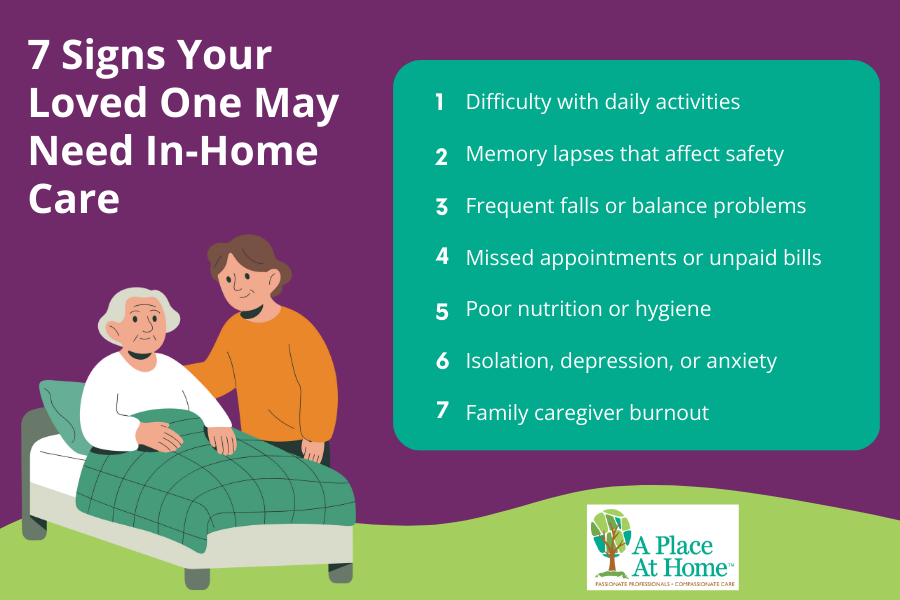
  • Decline in daily activities: Difficulty with essential tasks such as bathing, dressing, or preparing meals can point to the need for support.
  • Cognitive decline: Frequent forgetfulness, confusion, or other memory issues may be signs of dementia or other cognitive conditions.
  • Mobility issues and falls: Frequent falls, difficulty walking, or poor nutrition can indicate that a senior needs help maintaining their independence safely.

Recognizing these signs early is crucial, both to prevent caregiver burnout and to ensure that seniors receive the care and support they need. Assisting at the right time can help maintain their dignity, safety, and overall well-being.

How Home Care Services Help Seniors with Senior Personal Care

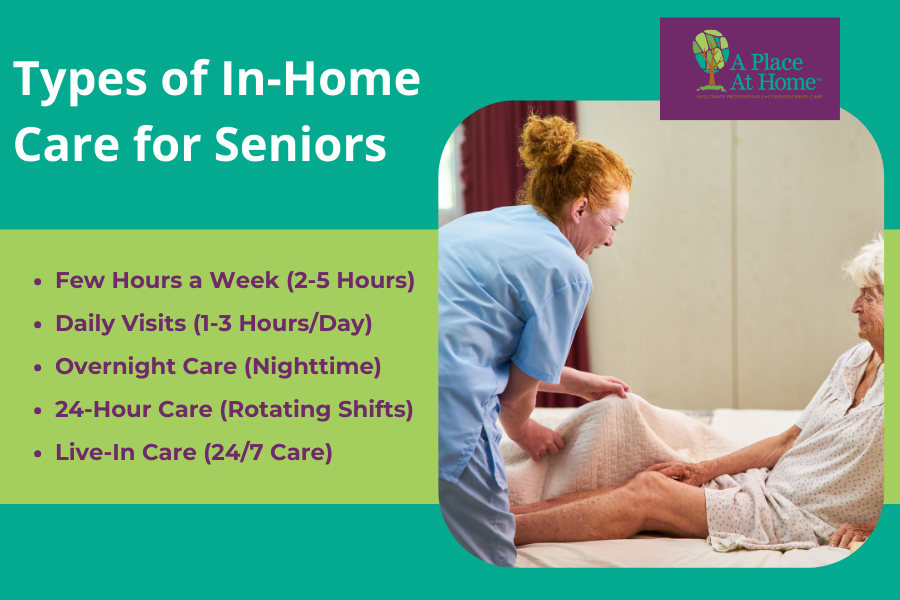
Home care services provide professional support for seniors who need assistance with bathing, grooming, and personal hygiene. Trained caregivers help older adults maintain cleanliness, comfort, and dignity while reducing fall risks and stress. Families often turn to professional in-home personal care services for seniors when bathing becomes unsafe or overwhelming to manage alone.

Maintaining Healthy Bathing Habits for Aging Adults

Maintaining proper personal hygiene is essential for seniors’ health, comfort, and overall well-being. While aging can bring challenges such as limited mobility, cognitive changes, or medical conditions that make bathing and grooming more difficult, there are practical strategies and support options that can help. From establishing safe routines and using gentle products to recognizing signs that a senior needs assistance, caregivers play a vital role in ensuring that their loved ones remain clean, comfortable, and confident.

For families seeking professional support, home care services can provide guidance and hands-on assistance seniors need to maintain healthy hygiene habits. At A Place At Home – Newton, trained caregivers offer personalized help with bathing, grooming, and other daily tasks, allowing seniors to live safely and comfortably in their own homes. Contact us today to schedule your free in-home consultation in Newton, Brookline, Boston, MA, and the nearby areas of Middlesex, Suffolk, and Norfolk Counties.


Frequently Asked Questions (FAQs)

How often should seniors bathe in winter?

During colder months, seniors can usually bathe once per week, as dry air and hot water can worsen skin dryness. Sponge baths between full baths help maintain hygiene.

Is it unhealthy for seniors to bathe every day?

Yes, daily bathing can be harmful for many seniors. Frequent showers may dry out fragile skin and increase irritation unless medically necessary.

Can seniors shower instead of taking baths?

Yes, showers are often safer than baths for elderly adults, especially when equipped with grab bars, non-slip flooring, and a shower chair.

How often should seniors with dementia bathe?

Most seniors with dementia benefit from bathing once or twice per week, supported by consistent routines and gentle assistance to reduce anxiety.

How often should bedridden seniors bathe?

Bedridden seniors typically receive sponge baths daily or several times per week to maintain hygiene and skin health without the risks of full bathing.

12 Leg-Strengthening Exercises for Seniors to Prevent Falls

Leg Strengthening Exercises for Seniors - A Place At Home

Strong leg muscles are essential for seniors who want to maintain balance, mobility, and overall independence. According to the CDC, about 1 in 4 adults aged 65 and older report falling each year in the United States. Leg strength plays a major role in staying steady, completing daily activities confidently, and reducing the risk of falls at home. One of the most effective ways to support healthy aging is through regular leg-strengthening exercises for seniors.

Whether you are a senior looking to stay active or a caregiver helping a loved one, having the right exercises and safety guidelines makes a meaningful difference. In this article, we will cover the common causes of weak legs in older adults, the benefits of strengthening leg muscles, how improved leg strength supports fall prevention, and the best exercises to help seniors build stability and mobility.

Common Causes of Weak Legs in the Elderly

As seniors age, it’s natural for strength and stability to decline. This can make everyday tasks such as standing, walking, and maintaining balance more difficult. Several factors commonly contribute to leg weakness in older adults, including:

  • Reduced bone density
  • Joint pain and arthritis
  • Poor circulation
  • Limited physical activity
  • Nutrient deficiencies
  • Side effects from certain medications
  • Neurological or chronic health conditions

Weak leg muscles significantly increase the risk of falls and injuries. Engaging in safe leg-strengthening exercises and consulting a healthcare provider can help maintain mobility and confidence.

Signs of Weak Legs in Seniors

Recognizing early signs of weak legs in seniors can help prevent mobility problems and reduce the risk of falls. Many older adults begin showing subtle changes before experiencing noticeable weakness. Common signs include:

  • Trouble standing up from low chairs
  • Slower walking speed or shuffling steps
  • Difficulty climbing stairs
  • Feeling unsteady when turning or changing direction
  • Needing to hold onto furniture for balance
  • Legs feeling heavy, tired, or shaky after short distances
  • Trouble stepping over small obstacles

If any of these signs are occurring more frequently, it may be time to incorporate leg-strengthening exercises or consult a healthcare professional for evaluation.

Signs of Weak Legs in Seniors - A Place At Home

Safety Tips Before Beginning Leg Exercises

Before starting any routine, seniors should keep these safety guidelines in mind:

  • Warm up with gentle marching or ankle circles
  • Use a chair, counter, or sturdy surface for support
  • Move slowly and with control
  • Stop if pain, dizziness, or shortness of breath occurs
  • Wear supportive shoes
  • Start with low repetitions and gradually increase

These steps help create a safe and comfortable exercise experience.

12 Best Exercises to Strengthen Weak Legs in Seniors

Seniors benefit greatly from an exercise routine that improves balance and reduces the risk of falls. Building strength and stability helps them maintain independence and reduces the need for assistance in daily activities.

The following exercises help improve strength, balance, and coordination. They can be done independently or with caregiver support. Aim for 10 to 12 repetitions per exercise and repeat the routine 3 to 4 times per week unless instructed otherwise by a healthcare professional.

1. Calf Raises

This exercise helps build leg strength and improve stability. Stand upright and lift your heels off the ground, rising onto the balls of your feet as high as possible. Slowly lower back to the starting position and repeat.

  • Benefit: Strengthens calves and improves ankle stability, which helps prevent falls.

2. Lunges

Lunges strengthen the lower body, improve coordination, preserve bone density, and can help relieve joint pain. Keep your back straight, lower your hips, and hold your chin up as you step forward. For a lower-impact option, try stationary lunges.

  • Benefit: Strengthens quads, glutes, and hips for better walking strength and chair transfers.

Senior Leg Exercises to Prevent Falls - A Place At Home

3. Half Squats

Using a chair for balance, bend your knees while holding the chair, then return to standing.

  • Benefit: Builds strength in the knees, legs, and hips while improving balance.

4. Knee Extensions

Sit in a chair and straighten one leg, holding it for a few seconds before lowering it. Alternate legs for 12–15 repetitions per side.

  • Benefit: Improves knee mobility and makes standing from a chair easier.

5. Ankle Circles

A gentle warm-up exercise that can be done sitting or standing. Lift one leg and rotate the ankle 5–7 times in one direction, then reverse. Repeat with the other leg to improve ankle flexibility and mobility.

  • Benefit: Enhances ankle flexibility and warms up the joints before walking.

6. Step-Ups

Use a sturdy surface like a step or a low box. Step up with one leg, hold your balance for three seconds, then slowly step down. Alternate legs and use support if needed.

  • Benefit: Improves balance and simulates climbing stairs safely.

7. Side Leg Raises

Stand behind a chair with feet slightly apart for balance. Keep your back straight, point your toes forward, and lift one leg to the side, then lower. Repeat 10–15 times per leg.

  • Benefit: Strengthens hips and improves side-to-side stability.

Leg Strengthening Exercises for the Elderly - A Place At Home

8. Walking Heel to Toe

Walk in a straight line, placing the heel of one foot directly in front of the toes of the other. Shift your weight carefully and continue for 20–25 steps.

  • Benefit: Strengthens balance and helps with steady walking.

9. Single-Leg Stance

Stand next to a chair with feet together and arms relaxed. Lift one foot off the ground while raising the opposite arm overhead. Hold for 10–15 seconds, then switch sides.

  • Benefit: Builds coordination and balance needed for daily activities.

10. Wall Push-Ups

Stand about an arm’s length from a wall, place palms at shoulder height, and slowly lower your body toward the wall. Push back to the starting position and repeat 20–25 times.

  • Benefit: Strengthens arms and legs while supporting overall stability.

11. Marching in Place

Stand near a sturdy surface for support if needed. Lift your knees alternately as high as possible, repeating 20–25 times.

  • Benefit: Improves hip strength and promotes better walking movement.

12. Toe Lifts

Stand near a chair or counter for support. Extend your arms in front of you and rise onto your toes as high as possible, then lower back down.

  • Benefit: Strengthens calves and helps with balance during walking.

Benefits of Leg-Strengthening Exercises for Seniors

Regular exercise helps seniors improve mobility, stay flexible, and build strength in the lower body. Strong leg muscles make everyday tasks easier, support better posture, and contribute to a safer, more independent lifestyle. These benefits include:

  • Improved walking stability
  • Greater confidence when standing or climbing stairs
  • Reduced knee and hip discomfort
  • Enhanced balance
  • Lower risk of falls

Even simple exercises like calf raises, squats, and knee extensions can dramatically improve strength when performed consistently.

How Stronger Legs Help Prevent Falls

Fall prevention is one of the most important reasons for seniors to strengthen their legs. Of those who fall, roughly 37% sustain injuries that require medical treatment or limit activity for at least one day. A combination of balance training and muscle-building exercises helps reduce the likelihood of slips and falls.

Stronger muscles support better reaction times, improved coordination, and a greater ability to shift weight safely. Before beginning any new exercise plan, seniors should consult their doctor or a physical therapist to make sure the activities are suitable for their health needs.

How Caregivers Can Help Seniors Complete Leg Exercises Safely

In-home caregivers play an important role in helping seniors stay motivated and perform exercises safely. Support may include:

  • Providing a steady hand during balance exercises
  • Setting up a safe environment free of tripping hazards
  • Tracking repetitions and progress
  • Offering reminders to stay hydrated
  • Encouraging slow, controlled movements
  • Supervising exercises to prevent falls
  • Helping seniors maintain a routine

With caregiver assistance, seniors are more likely to stay consistent, improving strength and stability over time.

Exercises to Prevent Falls in Seniors - A Place At Home

Senior Home Care Support from A Place At Home

Strong legs and an active routine support a safer, more independent life for seniors. However, some older adults benefit from extra help to ensure they exercise safely, avoid falls, and stay motivated. A professional caregiver can provide guidance, support, and encouragement for a consistent routine.

Our trained caregivers at A Place At Home – Newton can assist with exercise routines, provide supervision during balance and strength training, help with mobility around the home, and offer companionship, all while promoting a healthy and active lifestyle. With the right support, seniors can continue to build strength, stay independent, and live confidently in their own homes.

If you or a loved one could use extra help staying active and safe, contact A Place At Home – Newton at (857) 858-3041 for trusted senior home care. Together, we can create a plan that supports strength, mobility, and independence every day.


Frequently Asked Questions (FAQs)

What is the best exercise for seniors to strengthen their legs?

The best exercise for seniors to strengthen their legs is the sit-to-stand movement. It targets the thighs, hips, and glutes while improving balance and functional mobility. This exercise also builds the strength needed for everyday activities like getting out of a chair or climbing stairs.

How often should seniors do leg-strengthening exercises?

Seniors should aim for 3–4 times per week, performing 10–12 repetitions per exercise. It’s important to start slowly, focus on proper form, and increase intensity gradually.

Can leg exercises help prevent falls in older adults?

Yes. Stronger leg muscles improve balance, coordination, and mobility, which significantly reduces the risk of falls and related injuries. Combining leg strength with balance exercises is especially effective.

What causes sudden weak legs in the elderly?

Sudden leg weakness in seniors can be caused by stroke or TIA, nerve compression, acute injuries, infections, medication side effects, or metabolic issues like low blood sugar or dehydration. If weakness appears suddenly, especially with numbness, confusion, or trouble speaking, it’s important to seek immediate medical attention.

What Is the Difference Between Delirium and Dementia in Seniors?

Difference Between Dementia and Delirium in Seniors - A Place At Home

Changes in an older adult’s mental status often prompt a visit to the doctor. Symptoms such as confusion, withdrawal, or anxiety may indicate delirium or dementia. It’s important for caregivers to understand the differences between these two conditions, which can have similar signs. According to the Alzheimer’s Association, nearly 6.5 million Americans age 65 and older are living with dementia, while studies show that up to 50% of hospitalized seniors experience delirium at some point during their stay.

While delirium and dementia share many symptoms, they are not diseases themselves but rather clusters of signs pointing to underlying health issues. Despite these similarities, the two conditions differ medically in their causes, duration, and prognosis, which means their treatments are also distinct.

What Is the Difference Between Delirium and Dementia?

Delirium is a sudden, temporary change in mental status, while dementia is a slow, progressive decline. Delirium usually comes on quickly, often over hours or days, and is almost always a sign that something is wrong right now, such as an infection, medication reaction, or another acute medical issue. Dementia, on the other hand, develops gradually over months or years as brain cells are damaged by diseases like Alzheimer’s.

Caregivers can also watch how the older adult’s attention and alertness change. A person with delirium may seem fine one moment and then very confused the next, with trouble focusing or staying awake. By contrast, someone with dementia is more likely to show steady, ongoing memory problems, but their alertness usually remains the same in the earlier stages.

Another important difference is reversibility. Delirium is often reversible when the underlying cause is treated quickly. Dementia is generally not reversible, although treatment and support can slow progression and improve quality of life.

What Is Delirium in Older Adults?

Delirium is a sudden, temporary change in a senior’s mental state caused by an underlying medical condition, medication, or other disruption to normal brain function. According to the National Institutes of Health, delirium affects an estimated 1 in 3 seniors after major surgery and occurs in up to 30% of older adults with infections. Neurotransmitter imbalances, particularly involving dopamine and serotonin, contribute to its symptoms.

Common Causes of Delirium

  • Infections, such as urinary tract infections or the flu
  • Side effects of medications
  • Hospitalization, surgery, or anesthesia
  • Metabolic imbalances or other acute illnesses

Symptoms of Delirium

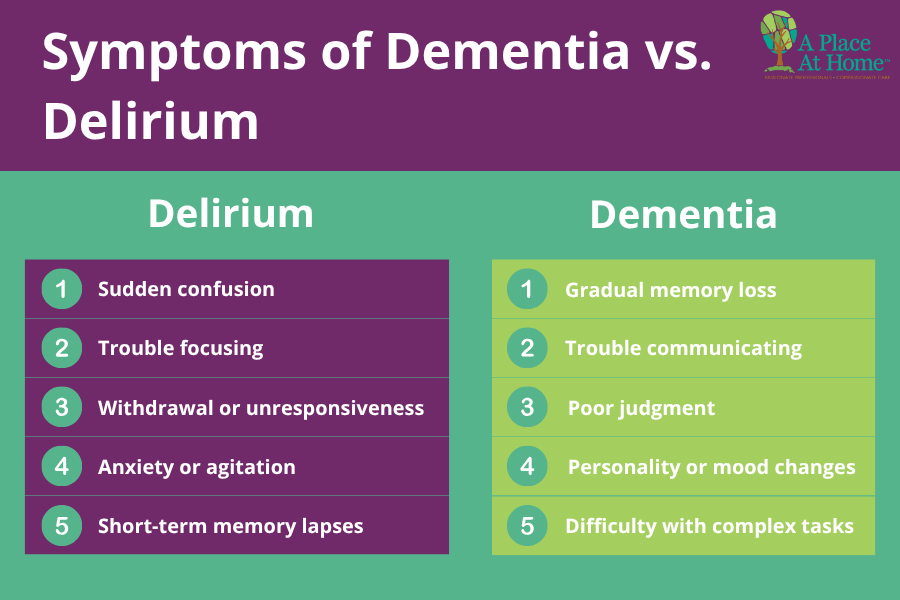
  • Sudden confusion or disorientation
  • Difficulty focusing or sustaining attention
  • Withdrawal or emotional changes like anxiety
  • Forgetfulness regarding recent events or surroundings

How Long Delirium Lasts & When to Seek Help

Delirium typically develops within hours or days. Recovery is faster in otherwise healthy seniors when the underlying cause is identified and treated promptly. In more serious cases, some cognitive function may not fully return. Anyone showing signs of delirium should see a doctor immediately.

Delirium versus Dementia in Seniors - A Place At Home

What Is Dementia?

Dementia is a progressive syndrome that gradually affects memory, thinking, and behavior. Unlike delirium, dementia is usually irreversible, although treatments can help manage symptoms. Common types include Alzheimer’s disease, vascular dementia, and Lewy body dementia. Alzheimer’s disease accounts for 60–80% of dementia cases, while vascular dementia affects roughly 10% of seniors.

Types of Dementia in Seniors

  • Alzheimer’s Disease: This is the most common type of dementia. It typically starts with mild memory loss, such as forgetting recent conversations, appointments, or where items were placed.
  • Vascular Dementia: Vascular dementia is caused by reduced blood flow to the brain, often after a stroke or a series of small, “silent” strokes.
  • Lewy Body Dementia: Lewy body dementia is linked to abnormal protein deposits in the brain. Attention and alertness can fluctuate from day to day.
  • Frontotemporal Dementia (FTD): This type of dementia affects the parts of the brain responsible for behavior, personality, and language.
  • Mixed Dementia: Some older adults have more than one type of dementia at the same time, such as Alzheimer’s disease combined with vascular dementia.

Symptoms of Dementia

  • Gradual memory loss and difficulty recalling names or events
  • Trouble communicating or solving problems
  • Poor judgment or disorientation
  • Personality and psychological changes, such as anxiety, paranoia, or depression

How Dementia Progresses Over Time

Dementia progresses slowly, though certain types, like vascular dementia, can appear suddenly after a stroke. Early intervention can improve quality of life, but the condition generally worsens over time. Professional Alzheimer’s and dementia home care can help seniors maintain safety, comfort, and cognitive function by providing personalized daily support, structured routines, and mental stimulation in the familiarity of their own home.

Delirium vs. Dementia: Side-by-Side Comparison

Feature Delirium Dementia
Onset Sudden Gradual
Duration Temporary Chronic, progressive
Attention Impaired Often normal early on
Memory Usually intact Impaired
Reversibility Often reversible Usually irreversible
Common Causes Infections, medication, and surgery Neurodegenerative disease, vascular changes

Shared Risk Factors for Dementia and Delirium

Advancing age is a shared risk factor for both delirium and dementia. Medical conditions, like infections, also increase vulnerability to these two conditions. An older adult with dementia has a greater risk of developing delirium. Having delirium for an extended period can increase the risk of dementia.

Seniors with multiple health issues, such as infections or thyroid problems, are more difficult to diagnose. This is because many ailments produce symptoms similar to dementia and delirium. Plus, doctors are unable to determine the baseline mental state in seniors with several chronic illnesses.

How Delirium and Dementia Are Diagnosed

A physician evaluates seniors to determine the underlying cause of mental changes:

  • Delirium: Physical and neurological exams, mental status review, and medical history
  • Dementia: Cognitive testing, biomarkers for Alzheimer’s, imaging, and ongoing monitoring

Accurate diagnosis is crucial for treatment and care planning.

Treatment for Delirium and Dementia

Treating Delirium

Treatment for delirium focuses on identifying and addressing the underlying triggers, such as infections, medications, or metabolic imbalances, to help restore normal cognitive function. In contrast, dementia is a progressive condition, and while it cannot be cured, certain medications, like cholinesterase inhibitors, can temporarily improve memory, thinking, and daily functioning.

Managing Dementia Symptoms

Caregivers play a crucial role in supporting individuals with dementia by breaking large tasks into smaller, manageable steps, providing consistent routines, and minimizing potential sources of confusion. In-home dementia care can further enhance quality of life by allowing seniors to remain safe, engaged, and comfortable in the familiar surroundings of their own home while receiving personalized assistance tailored to their needs.

Prevention & Healthy Aging Tips for Seniors

Seniors can reduce their risk of delirium by addressing the factors that trigger it. Getting regular, restful sleep, staying well-hydrated, and promptly treating underlying medical conditions can help minimize both the likelihood and severity of delirium episodes.

While dementia cannot be prevented, maintaining overall brain health is essential. Older adults can support cognitive function by keeping their minds active through reading, puzzles, or learning new skills, staying socially engaged with friends and family, and following a balanced, nutritious diet rich in fruits, vegetables, and healthy fats. These proactive steps can help seniors maintain mental clarity, independence, and a higher quality of life.

When to Call a Doctor About Sudden Confusion in an Older Adult

Any sudden change in an older adult’s thinking, awareness, or behavior should be taken seriously. While mild forgetfulness can be part of normal aging, sudden confusion is not and may point to delirium, stroke, infection, or another urgent problem.

Caregivers should contact a doctor or seek emergency care if they notice:

  • Sudden confusion, disorientation, or inability to recognize familiar people or places
  • New trouble speaking, slurred speech, or difficulty finding words
  • Sudden weakness, numbness, or drooping on one side of the face or body
  • Fever, chills, or signs of infection along with confusion
  • Hallucinations (seeing or hearing things that aren’t there)
  • Severe agitation, restlessness, or a big change in personality or mood
  • Unusual sleepiness, difficulty waking up, or mixed-up day and night patterns
  • A recent fall, head injury, or change in medications, followed by confusion

Professional In-Home Memory Care for Seniors in Newton, MA

Dementia Care - A Place At Home

Delirium and dementia commonly coexist in seniors and share similar symptoms. It’s critical that caregivers schedule a medical appointment when concerning symptoms emerge. This prevents delirium from becoming severe and, in the case of dementia, determines if symptoms are reversible.

When your aging loved one is diagnosed with dementia or delirium, rely on the compassionate caregivers at A Place At Home for quality in-home memory care services. We provide support in the comfort of the senior’s home, thereby reducing disorientation and increasing feelings of security and well-being. Our dedicated caregivers perform a variety of non-medical care services to promote the health, safety, and comfort of the elderly. We prepare balanced meals, give medication reminders, and assist with hygiene activities. Caregivers are also pleasant companions who keep seniors socially engaged.

Memory care is personalized to fulfill the individual care needs of seniors. We focus on stimulating their minds to preserve their cognitive function. Plus, our professionals trained in dementia care reduce wandering by accompanying them through the home and ensuring their safety.

Families with elderly loved ones living in Newton, Massachusetts, choose A Place At Home – Newton for our reliable and comprehensive dementia care services. Schedule a complimentary consultation today to learn how our in-home care services enhance a senior’s overall quality of life.


Frequently Asked Questions (FAQs)

Delirium typically develops within hours or days, often triggered by infections, medication changes, hospitalization, or surgery.

Early signs include gradual memory loss, difficulty communicating, trouble solving problems, disorientation, and changes in personality or mood.

Dementia cannot usually be reversed, but certain medications and therapies can improve memory, thinking, and daily functioning. Supportive care, including structured routines and cognitive stimulation, also enhances quality of life.