
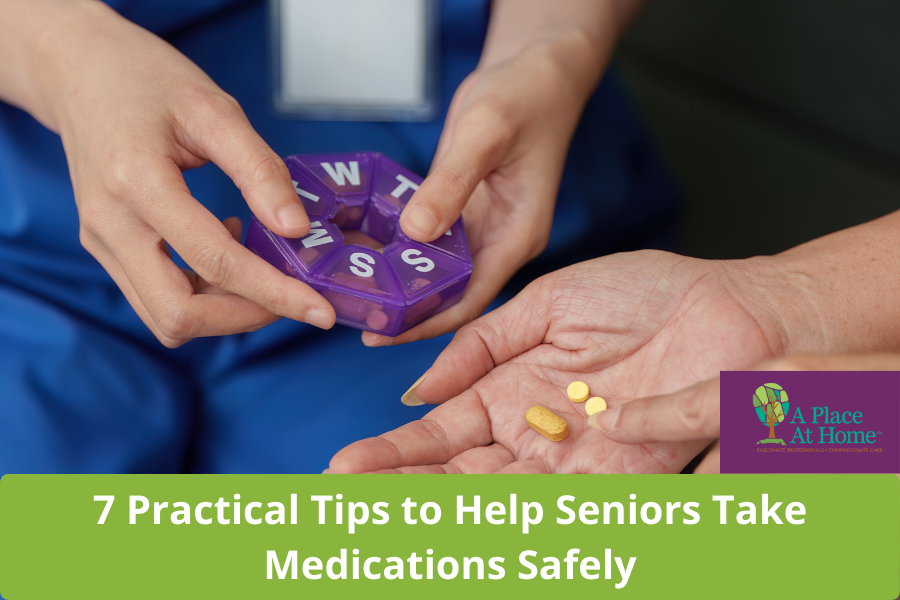
Managing medications is one of the most common and stressful responsibilities caregivers face when supporting seniors at home. Nearly half of adults over 65 take five or more prescription medications daily, increasing the risk of missed doses, dangerous drug interactions, and preventable hospitalizations. Without a clear medication management system, even well-meaning families can overlook critical details that affect a senior’s safety, independence, and long-term health.
Senior medication management helps caregivers ensure that medications are taken correctly, consistently, and safely, thereby reducing complications and supporting overall wellness and aging in place.
What is Medication Management for Seniors?
Senior medication management refers to the process of organizing, monitoring, and safely administering prescription and over-the-counter medications for older adults. Whether done by professional caregivers or family members, medication management ensures consistent treatment, reduces the risk of errors, and helps seniors maintain their well-being, especially when taking multiple medications daily.
Why Proper Medication Management Is Critical for Senior Safety and Health
Medication-related problems are a leading cause of emergency room visits and hospitalizations among older adults. Studies consistently show that seniors taking multiple prescriptions face a significantly higher risk of adverse drug events, especially when medications are not closely monitored. Many of these incidents are preventable with proper organization, caregiver oversight, and regular medication reviews with healthcare providers.
Medications are often the first line of treatment for chronic conditions that affect older adults, such as diabetes, arthritis, heart disease, and hypertension. Seniors respond differently to medications due to age-related changes, including slower metabolism, reduced kidney function, and decreased muscle mass. Standard doses can sometimes cause unexpected side effects, making careful oversight by caregivers and healthcare providers crucial.
What Are Common Medication Challenges for Seniors?
Older adults face several obstacles in managing medications safely:
- Vision difficulties: Tiny print on pill bottles can cause confusion and increase the risk of taking the wrong medication or dose.
- Similar-looking medications: Pills with similar size, shape, or color increase the likelihood of dangerous medication errors.
- Physical limitations: Arthritis or tremors can make opening bottles difficult, leading seniors to skip doses entirely.
- Drug interactions: Medications prescribed by different specialists can interact, causing dizziness, falls, or serious health complications.
Recognizing these challenges is the first step toward safer medication routines.
How Caregivers Can Support Safe and Consistent Medication Management
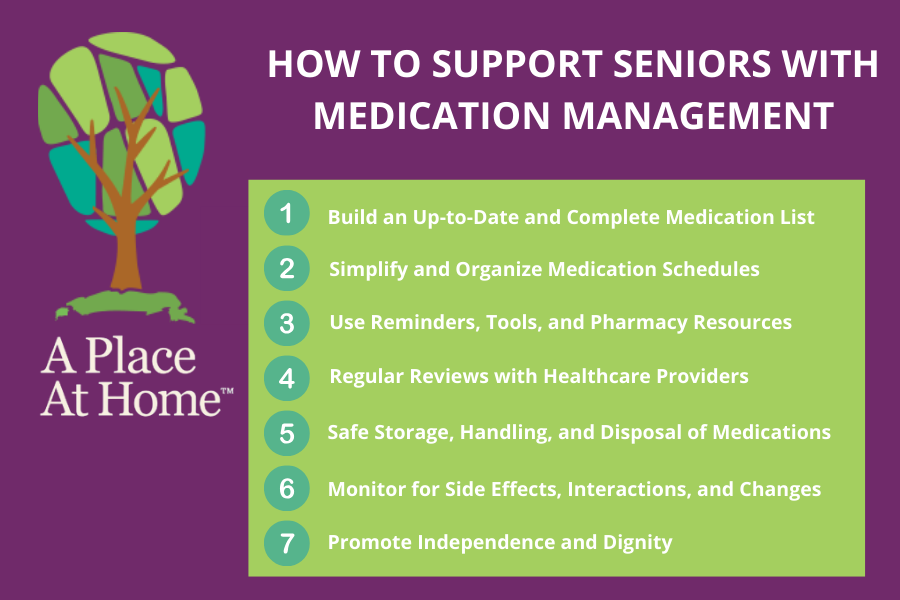
The following medication management tips help seniors reduce medication errors, avoid dangerous interactions, and maintain consistent treatment routines:
1. Build an Up‑to‑Date and Complete Medication List
Seniors and caregivers should maintain a current list of all prescription medications, over-the-counter drugs, vitamins, supplements, and non-pill medications like creams, patches, or inhalers. Include dosage, frequency, and purpose. Keep both digital and paper copies to ensure accuracy.
2. Simplify and Organize Medication Schedules
A consistent schedule helps medications remain effective. Organize doses by time of day or with meals as appropriate. Using a water cup or small tray can make taking medications easier for seniors.
3. Use Reminders, Tools, and Pharmacy Resources
Color-coded pill organizers, smartphone reminder apps, and alarms help seniors stay on track. Pharmacists can clarify instructions and guide difficult-to-open bottles or complex regimens.
4. Establish Communication and Regular Review with Healthcare Providers
Regularly review all medications with doctors or pharmacists. This prevents unnecessary prescriptions, reduces side effects, and lowers the risk of interactions. Caregivers should maintain open communication with the healthcare team to support safe administration.
5. Safe Storage, Handling, and Disposal of Medications
Store medications in a cool, dry place, ideally not in the bathroom. Keep drugs in their original labeled containers. Dispose of expired or unused medications through pharmacy take-back programs to prevent accidental ingestion.
6. Monitor for Side Effects, Interactions, and Changes Over Time
Caregivers should watch for new symptoms like dizziness, fatigue, or confusion and report them to healthcare providers promptly. Monitoring prevents complications and ensures timely medical intervention.
7. Promote Independence and Dignity While Providing Support
Encourage seniors to participate as much as possible in their own medication routines. Ask how much help they want and explain the purpose of each drug. For those who struggle with bottle caps, pharmacists can provide easy-open containers, or caregivers can assist.
Caregivers should never adjust dosages or stop medications without medical guidance. Regular medication reviews with physicians or pharmacists help ensure prescriptions remain appropriate as a senior’s health needs change.
Medication Management Checklist for Caregivers
- Maintain an updated list of all medications, supplements, and dosages
- Review medications with a doctor or pharmacist at least annually
- Use pill organizers or reminder systems to prevent missed doses
- Watch for new symptoms or side effects after medication changes
- Safely dispose of expired or unused medications
Risks of Non-Adherence
Failing to follow a prescribed medication regimen can have serious consequences for seniors. Understanding these risks highlights the importance of consistent medication management.
- Reduced treatment effectiveness: Missing doses can prevent medications from working as intended, leading to uncontrolled conditions such as high blood pressure or diabetes.
- Increased risk of hospitalizations: Medication errors or missed doses are a leading cause of preventable hospital visits among older adults.
- Drug interactions and overdose risks: Taking extra doses to “catch up” can cause dangerous interactions or toxicity.
- Complications from chronic conditions: Skipping blood thinners, insulin, or heart medications can lead to stroke, heart attack, or other life-threatening events.
Encouraging adherence through reminders, caregiver support, and professional medication management services helps seniors maintain health, independence, and safety.

When to Consider Professional Help or Medication Management Services
Medication management services are invaluable for seniors with cognitive decline, physical limitations, or multiple chronic conditions. Professional caregivers ensure medications are taken correctly, reducing the risk of harmful drug interactions and emergency room visits.
Caregivers should watch for potentially inappropriate medications, including those identified by the American Geriatrics Society, which outlines drugs that pose higher risks for older adults. They can ask healthcare providers about a medication’s purpose and age-appropriateness, advocating for the senior’s safety.
Signs of Medication Problems to Watch For
Monitoring seniors for medication-related issues is essential for safe medication management. Early recognition of warning signs can prevent serious health complications.
- Dizziness or fainting: Could indicate low blood pressure or interactions with other drugs.
- Fatigue or confusion: May signal that medications are causing central nervous system effects.
- Allergic reactions: Rash, swelling, or breathing difficulties require immediate medical attention.
- Digestive issues: Nausea, vomiting, or stomach pain can indicate side effects or drug interactions.
- Unusual behavior changes: Agitation, sleep disturbances, or memory lapses may be medication-related.
Caregivers should document symptoms and notify healthcare providers promptly to adjust medication plans safely.
In-Home Senior Care and Medication Support from A Place At Home
Families in Central Columbus, Ohio, seeking professional senior medication management and in-home senior care services can trust A Place At Home – Dublin for compassionate, personalized support. Our experienced caregivers provide timely medication reminders, assist seniors in following doctor instructions accurately, and can even pick up prescriptions from local pharmacies, ensuring safe and consistent medication routines.
In addition to medication management, our caregivers help with essential daily living activities, including bathing, dressing, grooming, meal preparation, and companionship. We offer flexible care options to meet each senior’s unique needs: non-medical respite care, specialized memory care for Alzheimer’s and dementia, 24-hour in-home care, and overnight support. With our services, seniors maintain independence, dignity, and overall well-being, while families gain peace of mind knowing their loved ones’ medications and daily needs are managed safely and reliably.
Schedule a free in-home consultation today to discover how A Place At Home – Dublin can support your loved one’s health, happiness, and safety with expert medication management for seniors and personalized in-home care.
Frequently Asked Questions (FAQs)
How can caregivers help seniors take medications safely?
Caregivers can help by creating a complete medication list, setting up reminders, organizing pillboxes, and monitoring for side effects or interactions. They also communicate with healthcare providers to adjust dosages or schedules and provide transportation or support when picking up prescriptions.
What are the most common medication mistakes seniors make?
Common mistakes include skipping doses, taking double doses to catch up, mixing medications incorrectly, and misreading labels. Physical limitations, poor vision, or complex schedules can increase the risk of errors, making caregiver support essential.
How can technology improve medication adherence for seniors?
Smart pill organizers, reminder apps, alarms, and automated dispensers help seniors follow their medication schedules accurately. These tools reduce missed doses, prevent errors, and give caregivers peace of mind while supporting independent senior living.
How does in-home care support senior medication management?
In-home caregivers assist with timely medication reminders, proper dosage administration, organization of prescriptions, and coordination with healthcare providers. They also support daily living activities, helping seniors maintain independence, safety, and overall well-being.
How can caregivers help seniors avoid missed medication doses?
Caregivers can help seniors avoid missed doses by using pill organizers, setting reminders or alarms, maintaining an updated medication list, and coordinating with pharmacists and healthcare providers for regular medication reviews.
When should families consider professional medication management services?
Families should consider professional medication management when seniors have memory issues, take multiple medications, experience side effects, or struggle with physical tasks like opening pill bottles or following complex schedules.
* This content is for educational purposes only and should not replace professional medical advice. Caregivers should always consult a physician or pharmacist before making changes to a senior’s medication routine.