
Growing older brings wisdom — and often a few new health concerns. One of the most common? High blood pressure (hypertension).
If you’re over 65, your heart and blood vessels naturally work a little harder, which can raise your risk for heart disease, stroke, and kidney problems.
But here’s the good news: you can lower blood pressure naturally at any age, and the results can be life-changing.
Let’s look at the science, when to start paying attention, and simple habits that truly help.
Why you should care about Blood Pressure after 65
High blood pressure is incredibly common in older adults — and often silent.
- The American Heart Association reports that nearly half of U.S. adults have high blood pressure, and the risk climbs to 70–80% among adults over 65.
- Research published in JAMA shows that keeping systolic pressure (the top number) under 130 mmHg in older adults can reduce the risk of heart-related death by 25% or more.
- Without treatment or lifestyle changes, over 90% of Americans will develop high blood pressure in their lifetime.
So, even if you “feel fine,” checking and managing your blood pressure after 60 isn’t optional — it’s essential.
When should you start taking it seriously?
Ideally, long before 65 — but 60–65 is when your body starts showing more sensitivity to diet, salt, and stress.
Doctors recommend everyone begin annual blood pressure screenings by age 40, or earlier if you have risk factors such as:
- Family history of hypertension or heart disease
- Sedentary lifestyle
- Diabetes or kidney disease
- Obesity or high salt intake
Even if you’ve never been on medication, small, consistent lifestyle changes in your 50s and 60s can prevent major complications later.
7 ways to lower blood pressure naturally after 65
These are realistic, evidence-based strategies that work without feeling like a strict diet or punishment.
-
Follow the “DASH” Diet — with a senior twist
The DASH diet (Dietary Approaches to Stop Hypertension) remains one of the most studied and effective eating patterns for lowering blood pressure.
Here’s what to focus on:
- Fill half your plate with fruits and vegetables
- Choose whole grains like oats, quinoa, and brown rice
- Include lean protein — fish, chicken, beans, and tofu
- Keep low-fat dairy in moderation
- Limit red meat, sweets, and processed foods
- Reduce salt intake to 1,500–2,300 mg per day
💡 Fun fact: Cutting salt by just one teaspoon a day can drop your systolic pressure by up to 5 mmHg within a few weeks.
-
Move Every Day — Even a Little Counts
You don’t need a gym membership to improve your numbers.
- Aim for 150 minutes a week of gentle to moderate activity — brisk walking, swimming, or chair yoga.
- Break it up! Three 10-minute walks a day can be as effective as one long session.
- Try balance and flexibility exercises to stay mobile and prevent falls.
Standing or walking for just 30 minutes less sitting time a day can lower blood pressure by 3–4 mmHg.
If you have joint pain, consider water aerobics or Tai Chi, which are both gentle and blood-pressure-friendly.
-
Maintain a Healthy Weight (Especially Around the Waist)
Even small weight loss matters.
Research shows that losing 5–10 lbs can reduce systolic blood pressure by up to 10 mmHg.
Focus on slow, steady progress.
Crash diets can cause muscle loss, which seniors can’t afford. Instead, eat smaller, balanced meals more often and avoid processed snacks.
-
Prioritize stress relief and sleep
Chronic stress triggers your body’s “fight or flight” hormones — adrenaline and cortisol — which push blood pressure up.
Try:
- 5 minutes of deep breathing or guided meditation daily
- Relaxing hobbies like gardening, painting, or listening to soft music
- Turning off screens 30 minutes before bed
- Aiming for 7–8 hours of sleep
Poor sleep (especially sleep apnea) is a major hidden cause of hypertension in older adults. If you snore loudly or wake up tired, get tested.
-
Drink Smart — or Skip It
Too much alcohol raises blood pressure and reduces medication effectiveness.
- Limit to 1 drink per day (or less).
- Watch hidden sodium in cocktails or pre-mixed drinks.
- Stay hydrated — dehydration can also raise blood pressure temporarily.
If you enjoy wine, try red wine in moderation — but not as a “treatment.”
-
Add Nature’s Blood Pressure Helpers
Certain natural foods and drinks have shown mild, positive effects on blood pressure:
- Beet juice (rich in nitrates) may lower systolic BP by 4–7 mmHg
- Hibiscus tea reduced blood pressure by about 10% in small trials
- Dark chocolate (70%+) supports vascular health
- Potassium-rich foods (bananas, spinach, sweet potatoes) help balance sodium
Always check with your doctor first if you take blood pressure medications, as some foods and supplements can interact.
-
Monitor at Home and Track Your Progress
- Invest in a reliable home blood pressure monitor (arm-cuff type).
- Take readings at the same time each day — morning is best.
- Record them in a journal or app.
- Bring your log to doctor visits to discuss patterns.
Consistent tracking helps you see improvements and catch problems early.
How seniors can monitor and track blood pressure at home
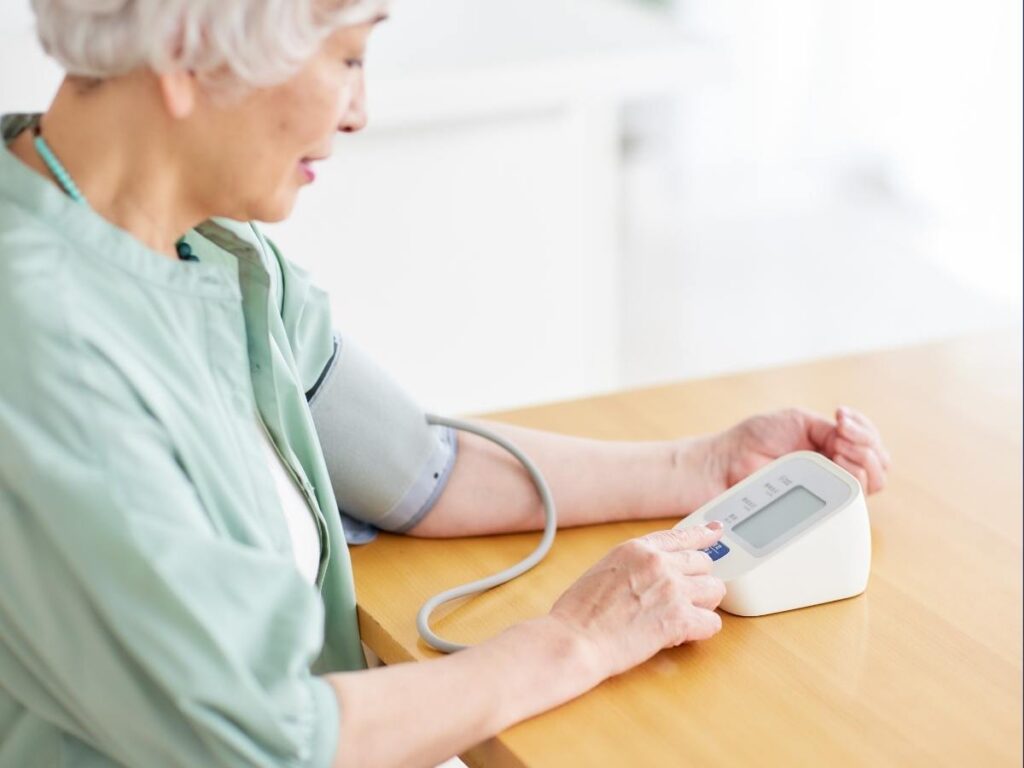
Monitoring your blood pressure at home is one of the best ways to stay healthy and catch problems early. Here’s how to do it safely and effectively:
Step 1: Choose the Right Blood Pressure Monitor
- Pick an upper arm monitor (more accurate than wrist or finger types).
- Look for large, easy-to-read numbers.
- Make sure it’s automatic and clinically validated.
- Some monitors can store your readings — handy if you want to track trends.
Tip: Bring the monitor to your next doctor appointment to check accuracy.
Step 2: Pick the Best Time to Measure
- Measure twice a day: once in the morning (before meds or breakfast) and once in the evening.
- Sit quietly for 5 minutes before taking a reading.
- Keep your arm at heart level, feet flat on the floor, and avoid talking.
- Avoid caffeine, exercise, or smoking 30 minutes before measuring.
Step 3: Take the Reading Properly
- Sit comfortably with your back supported.
- Place the cuff on the bare upper arm, about an inch above the elbow.
- Start the monitor and stay still and relaxed while it inflates.
- Record the systolic (top number) and diastolic (bottom number).
Step 4: Log Your Readings
- You can use a notebook, spreadsheet, or an app. Record:
- Date and time
- Systolic/diastolic numbers
- Heart rate (if your monitor provides it)
- Notes like medications taken, stress, or physical activity
Tip: Bring your log to every doctor who visit me. It helps them see patterns.
Step 5: Know What’s Normal
- For most seniors, a healthy target is below 130/80 mmHg.
- Some may have a slightly higher personalized goal (your doctor will advise).
- Focus on trends over time, not single readings.
When seniors should see a Doctor about high blood pressure
Even if you’ve been watching your salt, eating healthy, and getting your daily walk in, it’s still important to know when your blood pressure deserves a closer look.
For adults over 65, blood pressure can change more quickly due to age-related factors — like stiffer arteries, medication side effects, or dehydration.
Recognizing early warning signs helps prevent serious complications such as heart attack, stroke, kidney damage, or memory decline.
-
Your Blood Pressure Stays Above 130/80 mmHg
- If you’re consistently getting readings above this range at home — even after lifestyle changes — it’s time to check in.
- Your doctor may want to review your readings, rule out medication side effects, or look for hidden causes such as sleep apnea or thyroid problems.
- Tip: Bring your home blood pressure log or use a smartphone app — patterns tell your doctor far more than a single number.
-
Your Reading Spikes Above 180/120 mmHg
- This is considered a medical emergency (called a hypertensive crisis).
- If you also have chest pain, shortness of breath, severe headache, vision problems, confusion, or slurred speech, call 911 immediately or go to the emergency room.
- Sudden spikes like this can damage your heart, kidneys, or brain within hours — getting help right away can save your life.
-
You Feel Dizzy, Lightheaded, or Faint
- These may be signs your blood pressure is too low — which can increase your risk of falls and injuries.
- Seniors are more sensitive to dehydration, missed meals, or taking multiple medications at once (especially water pills or heart meds).
- Your doctor may need to adjust your dosage or timing to keep your pressure steady.
-
You Have Chest Pain, Swelling, or Shortness of Breath
- These can be signs that your heart is working too hard or retaining fluid — possible early heart failure.
- Early treatment can prevent hospitalization and help you stay active longer.
-
You Notice Frequent Headaches or Vision Changes
- Persistent or sudden headaches, blurred vision, or seeing spots may mean your blood vessels are under extra strain.
- Left unchecked, this can affect eyesight or raise your risk of stroke — both of which can often be prevented with timely care.
FAQs about Blood Pressure for Seniors
Can seniors with arthritis exercise to lower blood pressure?
Absolutely. Even seniors with arthritis can safely exercise to help lower blood pressure, though low-impact activities are recommended. Walking, swimming, chair yoga, or gentle stretching are excellent options because they reduce joint stress while still promoting heart health. The goal is consistency rather than intensity. Starting slowly and gradually increasing duration or frequency is safest. It’s also wise to consult a doctor or physical therapist to tailor exercises based on individual mobility and pain levels.
Are herbal supplements safe for high blood pressure in older adults?
Some herbal supplements may help support blood pressure, but seniors need to be cautious. Supplements like hibiscus tea, garlic, or omega-3 fatty acids can have mild effects, but they can also interact with prescription medications such as blood thinners or diuretics. Always consult a healthcare provider before adding any supplement to your routine. The safest approach is to use dietary sources whenever possible — for example, eating fish for omega-3s instead of taking capsules.
How often should seniors check their blood pressure at home?
For most seniors, checking blood pressure at home once or twice a day is sufficient, especially if readings are stable. It’s important to measure at consistent times, such as in the morning before taking medications and in the evening. If your blood pressure is uncontrolled, a healthcare provider may recommend more frequent monitoring. Recording readings in a notebook or app allows both you and your doctor to spot trends over time, which is far more valuable than a single measurement.
Does stress really affect blood pressure in older adults?
Yes, stress can significantly impact blood pressure, even in seniors. Mental or emotional stress triggers hormones like cortisol and adrenaline, which can temporarily raise blood pressure. Chronic stress may lead to sustained high readings. Techniques such as deep breathing, meditation, gentle yoga, or even spending time in nature can help manage stress and support healthier blood pressure over time. Maintaining social connections and hobbies is equally important for emotional well-being.
Can losing weight lower blood pressure after 65?
Yes. Even a modest weight loss of 5–10 pounds can make a noticeable difference in blood pressure for seniors. Fat around the abdomen puts extra strain on the heart and blood vessels, so reducing weight can improve circulation and heart function. Combining a balanced diet with gentle physical activity, like walking or swimming, is the most effective approach. Remember, it’s about steady, sustainable progress rather than rapid weight loss.
Are there specific drinks seniors should avoid if they have high blood pressure?
Seniors with high blood pressure should limit alcohol and high-sugar beverages. Alcohol in excess can raise blood pressure and interact with medications. Sugary drinks like soda or sweetened juices contribute to weight gain and insulin resistance, indirectly affecting blood pressure. Water, herbal teas, and naturally low-sugar drinks are the safest options. Moderate coffee consumption is generally okay, but monitor your readings to ensure caffeine isn’t causing spikes.
Is it safe for seniors to stop blood pressure medication if readings improve naturally?
No. Seniors should never stop or adjust blood pressure medication on their own, even if readings improve with lifestyle changes. Abruptly stopping medication can be dangerous and increase the risk of stroke or heart attack. Lifestyle improvements like diet, exercise, and stress management are meant to complement medications, not replace them. Always consult your healthcare provider before making any changes to your treatment plan.