Sundowning & Nighttime Anxiety in the Elderly: What Families Need to Know

Sundowning & Nighttime Anxiety in the Elderly What Families Need to Know
As the day winds down and the house grows quiet, many older adults experience a rise in anxiety that makes nighttime one of the most difficult parts of their day. At A Place At Home – Weston, our caregivers see this shift often. Seniors who seemed calm earlier in the day may become restless, uneasy, or disoriented by early evening. Nighttime anxiety in seniors is more than a minor sleep issue. When it is not addressed, it can increase the risk of falls, accelerate cognitive decline, and place added strain on family caregivers. It can also impact a senior’s overall quality of life in a meaningful way. The encouraging part is that many cases improve with a structured and thoughtful approach based on proven care strategies. This guide explains the common causes of nighttime anxiety in older adults, how to recognize the signs, and what approaches are most effective in reducing it.

What Is Nighttime Anxiety in Seniors?

Nighttime anxiety refers to a pattern of escalating fear, worry, restlessness, or agitation that consistently worsens in the evening or during nighttime hours. It is distinct from ordinary sleeplessness. It is a behavioral and emotional pattern, not just a difficulty falling asleep. According to the National Institute on Aging, sleep architecture changes significantly with age. Older adults spend less time in deep, restorative sleep stages and more time in lighter sleep, making them far more susceptible to nighttime disturbances, physical, emotional, and environmental.

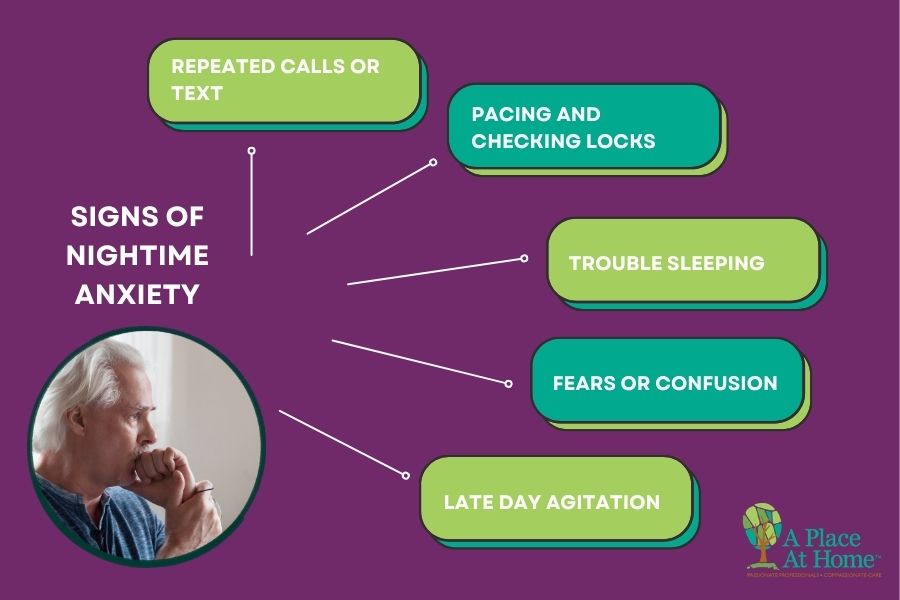
Common Signs of Nighttime Anxiety in Older Adults

  • Repeated phone calls or texts to family members after dark
  • Pacing, wandering, or checking doors and locks multiple times
  • Difficulty falling or staying asleep accompanied by visible distress
  • Expressions of fear about being alone, dying, or losing control
  • Waking disoriented, not knowing where they are or what time it is
  • Increased confusion or agitation beginning in the late afternoon
signs of nighttime anxiety in seniors If your loved one is waking frequently or struggling with disrupted sleep patterns, you may also find this helpful: Common Reasons Why Your Elderly Parent Keeps Waking Up at Night From our caregivers: “Many families don’t realize how quickly nighttime anxiety can escalate. A senior who seems fine at dinner can be deeply confused by 8 PM. Consistency in routine, lighting, and caregiver presence is the single biggest difference-maker we’ve seen.” — Danielle Smith, Senior Care Coordinator, A Place At Home – Weston
Common Causes of Nighttime Anxiety in Older Adults

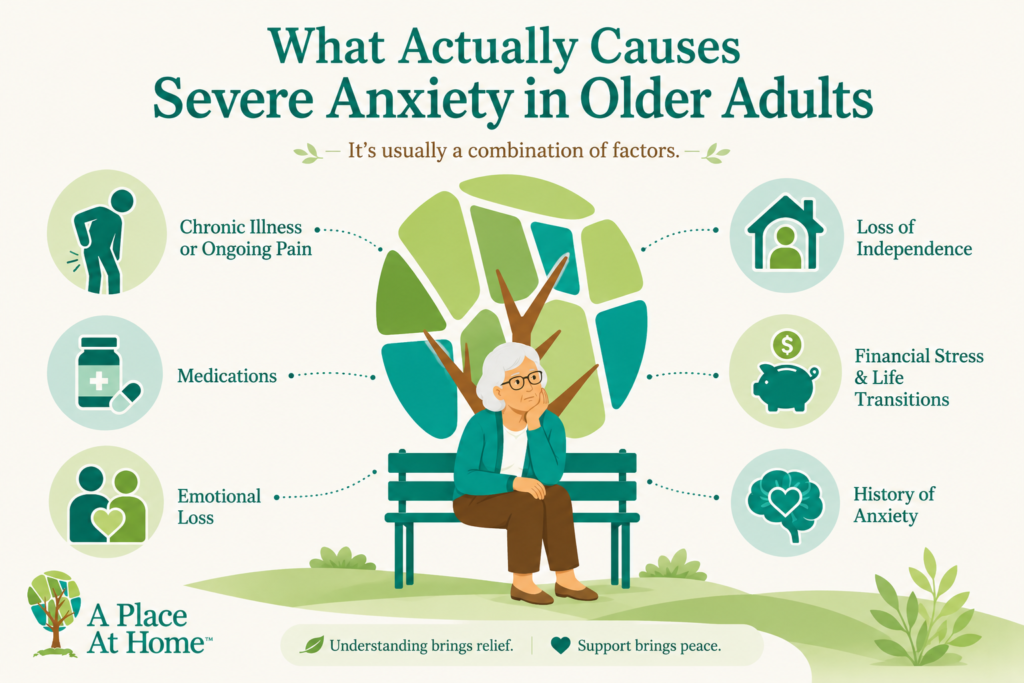
Nighttime anxiety is rarely caused by a single issue. In our experience providing in home care across Broward County, the most difficult cases are those with multiple overlapping causes. Understanding each one is essential to building an effective response.

1. Sundowning Syndrome (Dementia Related)

Sundowning is one of the most common and disruptive causes of nighttime anxiety in seniors with cognitive decline. The Alzheimer’s Association defines sundowning as a state of confusion occurring in the late afternoon and evening in people with Alzheimer’s disease or other forms of dementia. Symptoms typically begin between 4:00 and 6:00 PM and can persist well into the night. The exact cause is not fully understood, but research points to disruption of the brain’s circadian clock, fatigue accumulated over the day, and a reduced ability to process dim or shifting light. Why it happens: As dementia progresses, the suprachiasmatic nucleus, the part of the brain that regulates sleep wake cycles, becomes increasingly damaged. This disrupts the body’s internal clock, making it harder to distinguish day from night.

2. Sleep Disorders

The American Academy of Sleep Medicine estimates that 50 to 70% of older adults experience chronic sleep problems. Two are particularly linked to nighttime anxiety:
  • Insomnia: Difficulty initiating or maintaining sleep leads to a self reinforcing cycle. The bed becomes associated with frustration and wakefulness rather than rest.
  • Sleep apnea: Repeated airway obstruction during sleep causes micro arousals throughout the night. Seniors with undiagnosed sleep apnea often wake feeling panicked, short of breath, or deeply disoriented, symptoms that are frequently misattributed to anxiety alone.

3. Medication Side Effects

Many medications commonly prescribed to older adults can disrupt sleep or heighten anxiety, particularly when taken in the afternoon or evening. These include:
  • Corticosteroids such as prednisone and dexamethasone, which are known to increase alertness and agitation
  • Certain antidepressants, especially SSRIs taken in the evening
  • Beta blockers, which can suppress melatonin production and impair sleep onset Diuretics, which can cause frequent nighttime bathroom trips and disrupt sleep continuity
If a senior’s nighttime symptoms began or worsened after a medication change, that is a significant diagnostic clue. Always consult a physician before adjusting any medication.

4. Physical Discomfort and Pain

Chronic pain is underreported in older adults, partly due to stoicism and partly due to cognitive difficulty articulating discomfort. Arthritis, neuropathy, post surgical pain, and bladder urgency all worsen when the senior is still and has nothing to distract them, exactly the conditions of bedtime. Pain that is manageable during an active day can feel overwhelming at 2 AM.

5. Urinary Tract Infections (UTIs)

This is one of the most under recognized causes of sudden nighttime confusion in older adults, particularly women. Unlike younger people, elderly individuals often do not present with typical UTI symptoms such as burning or frequency. Instead, the primary symptom is often sudden behavioral change, confusion, agitation, paranoia, or extreme nighttime anxiety. If a senior’s nighttime symptoms appear suddenly and without an obvious trigger, a UTI should be ruled out immediately with a urine test.

6. Emotional and Psychological Factors

The quiet of nighttime removes the distractions of daytime activity. For seniors, particularly those who are widowed, live alone, or have recently experienced loss, evening hours can become dominated by grief, fear of dying, loneliness, and existential worry. Depression in older adults is frequently underdiagnosed and can present primarily as nighttime agitation rather than daytime sadness.

Recognizing Sundowning: What Families Should Know

Because sundowning is so common, affecting an estimated 20% of people with Alzheimer’s disease according to the Alzheimer’s Association, it deserves specific attention.

Key Signs That Suggest Sundowning (Not Just Anxiety)

Sign What It Looks Like
Timing Symptoms reliably worsen after 4–6 PM
Confusion Disorientation to place, time, or familiar people
Misperception Frightened by shadows; believes intruders are present
Wandering Attempts to “go home” even when at home
Hallucinations Sees or hears people who aren’t there
Rapid mood shifts Calm → agitated → tearful within minutes
Sundowning is not a separate disease. It is a symptom cluster. Identifying it as sundowning rather than general anxiety matters because the interventions are different. Light therapy, structured evening routines, and environmental modifications are more effective than sedation focused approaches.

Caregiver Based Strategies to Reduce Nighttime Anxiety

1. Establish a Consistent Evening Routine

The brain, especially a brain affected by cognitive decline, relies heavily on predictability to feel safe. A routine that begins at the same time each evening and follows the same sequence of calming activities helps signal that sleep is approaching in a non threatening way. Effective routine elements:
  • Light dinner no later than 6:00 to 6:30 PM
  • A short, gentle walk or seated stretching
  • Dimming lights throughout the home beginning at 7:00 PM
  • Calming music, a familiar TV program, or conversation
  • Consistent lights out time, even on weekends
  • Avoid stimulating activities, including emotionally charged news programs, in the 90 minutes before bed.

2. Optimize Home Lighting

Lighting is one of the most powerful and underutilized tools in managing nighttime anxiety and sundowning. Research context: A 2019 study published in Sleep Medicine Reviews found that bright light therapy during the day significantly reduced agitation and sleep disturbance in patients with Alzheimer’s disease. Practical steps: Maximize natural light exposure during morning hours by opening curtains and taking walks
  • Use warm toned bulbs in evening living spaces to reduce stimulation
  • Install night lights in every hallway, bathroom, and bedroom
  • Avoid abrupt transitions from bright to dark rooms
  • Remove or cover mirrors and reflective surfaces that can cause misperception at night

3. Modify Diet and Stimulant Intake

Older adults metabolize caffeine more slowly than younger people. A cup of coffee in the afternoon can still affect sleep at midnight. Recommendations:
  • No caffeine after 12:00 PM
  • Avoid high sugar foods in the evening
  • Offer a small protein containing snack before bed such as yogurt or nuts. Blood sugar dips at night can trigger waking and anxiety
  • Ensure adequate hydration during the day, but reduce fluid intake after 6:00 PM to minimize nighttime bathroom trips

4. Increase Structured Daytime Activity

A fundamental principle of sleep medicine is that sleep pressure builds during waking hours. Seniors who are sedentary during the day often reach bedtime without enough sleep pressure, making it harder to fall asleep and easier to feel anxious when they cannot. Evidence backed activities:
  • 20 to 30 minutes of moderate walking per day, associated with improved sleep quality in older adults per a Journal of Sleep Research meta analysis
  • Chair yoga or gentle stretching classes Social engagement such as conversation, games, and group activities
  • Light gardening or household tasks
  • Exposure to outdoor daylight before noon is especially valuable for resetting circadian rhythms.

5. Create an Anxiety Reducing Sleep Environment

  • Sound: White noise machines or soft instrumental music can help mask disruptive nighttime sounds. Avoid silence if it increases feelings of isolation.
  • Temperature: The ideal sleep temperature for most older adults is between 65 and 68 degrees Fahrenheit or 18 to 20 degrees Celsius.
  • Safety cues: Motion sensor night lights, bed rails where appropriate, and a clearly visible clock can reduce disorientation upon waking.
  • Comfort objects: For seniors with dementia, familiar items such as a photograph, soft blanket, or meaningful object can provide grounding during nighttime waking.

6. Communication Techniques That Reduce Anxiety

How caregivers and family members respond to a frightened senior matters greatly. What works:
  • Speak in a calm, low, slow voice
  • Use short, clear sentences such as You are safe. You are home.
  • Avoid arguing about what is real, as this increases distress
  • Use gentle touch if the senior is comfortable with it
  • Redirect attention such as suggesting a warm drink rather than confronting the anxiety directly

What does not work:

Raised voices or visible frustration
  • Long explanations or attempts to reason through confusion
  • Dismissing fears such as saying there is nothing to worry about

7. Review Medications with a Physician

Request a medication review with the senior’s primary care physician or geriatrician, ideally supported by a pharmacist led medication reconciliation. Ask specifically:
  • Are any current medications known to disrupt sleep or increase anxiety
  • Are any medications being taken at suboptimal times of day
  • Are there safer alternatives to current sleep aids. Benzodiazepines and antihistamine based sleep aids carry significant risks in older adults and are generally not recommended per the American Geriatrics Society Beers Criteria.

When to Call a Doctor

While occasional nighttime anxiety can be common in older adults, certain symptoms may signal an underlying medical issue that requires professional attention. If changes in behavior appear suddenly or become severe, it’s important to contact a healthcare provider for evaluation.
  • Sudden behavioral changes: If a senior who was previously calm at night suddenly becomes extremely anxious, confused, or disoriented, there may be a medical cause that needs to be addressed. Infections, medication reactions, or metabolic changes can sometimes trigger rapid shifts in mood or cognition.
  • Hallucinations: If a senior begins seeing or hearing things that are not there, it could be related to conditions such as Alzheimer’s disease or dementia, but it may also indicate an acute issue like a Urinary Tract Infection, which is a common cause of sudden confusion in older adults.
  • Aggression or extreme agitation: Physical or verbal aggression can sometimes occur during episodes of severe anxiety or confusion, and a medical evaluation can help determine the underlying cause.
  • Fever: Fevers, complaints of pain, or other physical symptoms may signal infection or illness that is contributing to nighttime distress. Even mild fevers can cause confusion in older adults and should be taken seriously.
  • Rapid cognitive or functional decline: Functional or cognitive decline such as worsening memory, increasing disorientation, or a sudden inability to perform normal daily tasks should always be discussed with a healthcare professional. Early evaluation can help identify treatable causes and ensure seniors receive the appropriate care and support.
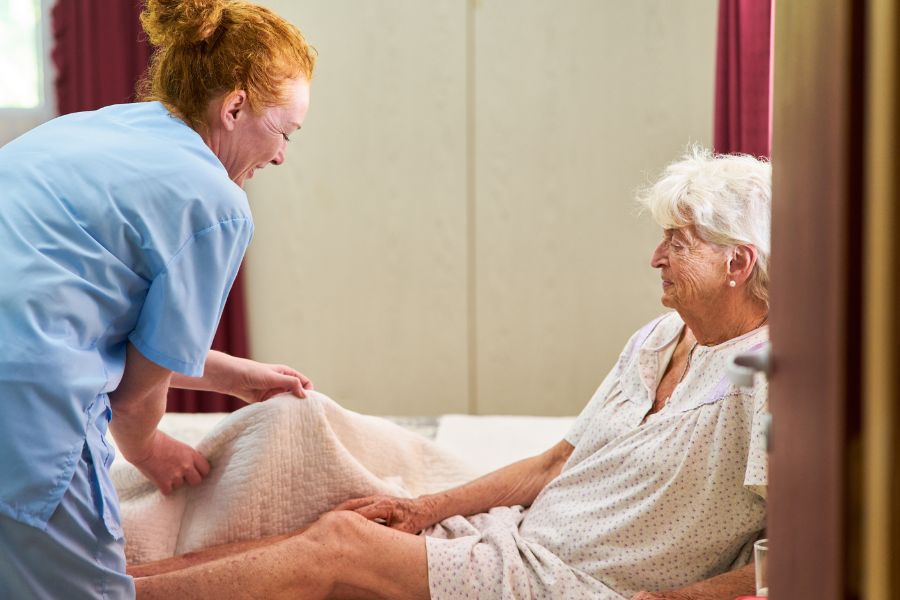
If nighttime anxiety is persistent or worsening, seeking medical guidance can provide peace of mind and help families develop a safe and effective care plan. overnight caregiver with a senior woman in weston florida

Overnight Support Can Make Nights Easier for Seniors and Families

For some seniors, nighttime anxiety can reach a point where additional support is needed to ensure safety and peace of mind. Families may worry about their loved ones wandering at night, becoming confused, or feeling frightened when they wake up alone. In these situations, professional overnight care can provide comfort, supervision, and reassurance when it matters most. Caregivers can help establish calming evening routines, assist with bedtime preparation, and remain available throughout the night if a senior wakes up feeling anxious or disoriented. Having a compassionate professional nearby can reduce fear, prevent falls, and ensure that any nighttime needs such as bathroom assistance, medication reminders, or reassurance are handled promptly. With 24-hour care services from A Place At Home – Weston, seniors can receive continuous support in the comfort of their own home. Trained caregivers are available to provide supervision, companionship, and personalized assistance day and night, helping seniors feel safe while giving families valuable peace of mind. If your loved one is struggling with nighttime anxiety, confusion, or sleep disruptions, professional in-home care may be the solution. Call A Place At Home – Weston at (954) 335-9284 to schedule a consultation.

FAQs

Is nighttime anxiety a sign of dementia?

Not necessarily. Nighttime anxiety has many causes including sleep disorders, medication effects, pain, and emotional factors.

However, when nighttime anxiety is accompanied by confusion, disorientation, paranoia, or hallucinations that worsen in the late afternoon and evening, this pattern is consistent with sundowning syndrome and warrants evaluation for cognitive decline.

Can melatonin help seniors with nighttime anxiety?

Melatonin may help regulate sleep timing in some older adults, particularly those with disrupted circadian rhythms.

However, the evidence is mixed, and the appropriate dose for older adults is generally lower, 0.5 to 1 mg, than what is found in most over-the-counter products.

Always consult a physician before starting any supplement, especially given the potential for interactions with other medications.

What Not to Say to Seniors With Anxiety

When speaking with seniors who are experiencing anxiety, it is important to avoid phrases that may feel dismissive, critical, or confusing.

Statements such as “There’s nothing to worry about” can unintentionally invalidate their feelings, while saying “You’re being ridiculous” or “That doesn’t make sense” may increase frustration or embarrassment.

Even common responses like “Calm down” or “You’re fine, stop overreacting” can make anxiety worse because they add pressure rather than comfort.

It is also best to avoid reminding them “I already told you that,” since repetition is often linked to memory issues or heightened anxiety rather than willful behavior.

Phrases like “It’s all in your head” or “You’re confusing me” can further increase distress and weaken trust during vulnerable moments.

Instead, a calmer approach using simple reassurance, such as “You are safe,” “I’m here with you,” or “Let’s sit together for a moment,” is generally more effective in helping seniors feel grounded and supported.

What is the 3-3-3 rule for anxiety sleep?

The 3-3-3 rule for anxiety during sleep is a simple grounding technique used to calm the mind when it becomes restless or overwhelmed at bedtime.

It helps redirect attention away from anxious thoughts and back to the present moment.

The method works like this: first, name three things you can see in your environment, such as a clock, a wall, or a blanket. Next, identify three things you can hear, like a fan, distant traffic, or your own breathing. Finally, move three parts of your body, such as your fingers, toes, and shoulders, focusing on slow, intentional movement.

This technique is helpful because anxiety often pulls attention inward into worry or fear, especially at night. The 3-3-3 rule shifts focus outward and into physical sensation, which can help reduce racing thoughts and make it easier to relax into sleep.

Tremors Aren’t the Only Sign: How Parkinson’s Starts in Seniors

Senior Man With Parkinsons is having difficulty in eating food

When most people think of Parkinson’s disease, tremors or involuntary shaking of the hands often come to mind. But for many seniors, tremors are not the first symptom and sometimes never become the most noticeable one.

Parkinson’s often begins quietly, with subtle changes in movement, sleep, mood, digestion, or thinking that can easily be mistaken for normal aging. Understanding these early indicators matters. Earlier recognition leads to earlier support, better symptom management, and improved quality of life for seniors and their families. According to the Parkinson’s Foundation, nearly 1 million people in the United States are currently living with Parkinson’s disease, and that number is expected to rise to 1.2 million by 2030, largely due to the aging population.

Key Takeaways (Quick Summary)

  • Parkinson’s often begins without tremors, especially in seniors
  • Early symptoms are frequently non-motor, such as sleep changes, constipation, or mood shifts
  • Symptoms usually develop gradually and progressively, not suddenly
  • Changes may appear on one side of the body first

Early recognition allows for safer routines, better care planning, and greater independence

Tremors Aren’t the First Sign of Parkinson’s

Contrary to popular belief, Parkinson’s disease doesn’t always start with a noticeable tremor. In seniors, it often begins years before any shaking appears. Early signs can show up in subtle ways, slower movements, changes in handwriting, stiffness, difficulty sleeping, shifts in mood, digestive issues, or even a reduced sense of smell. Because these symptoms overlap with normal aging, they are frequently overlooked or dismissed. Recognizing these early indicators in seniors is critical, as it allows for timely evaluation, better management, and support that can make daily life safer and more comfortable.

Why Parkinson’s Is Often Missed in Seniors

Parkinson’s can be difficult to detect early, particularly in older adults. Tremors, the symptom most commonly associated with the disease, often show up later in its progression.

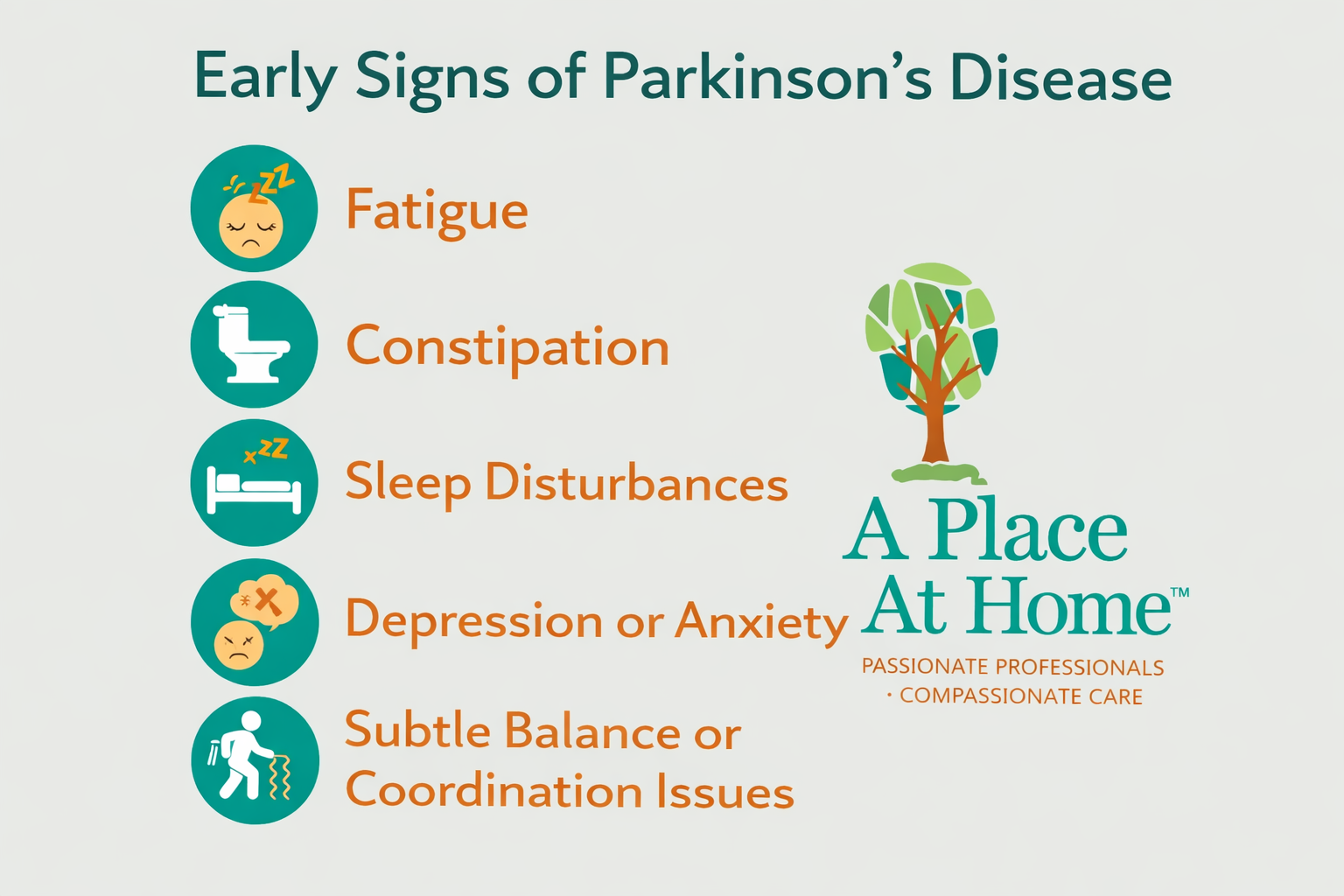
early signs of Parkinsons disease

In early stages, Parkinson’s may present with:

  • Fatigue
  • Constipation
  • Sleep disturbances
  • Depression or anxiety
  • Subtle balance or coordination issues

These changes are frequently attributed to aging, stress, or other chronic conditions. Even healthcare providers may not immediately connect these symptoms without a clear pattern over time.

That is why family members and caregivers play a critical role in noticing gradual changes and advocating for further evaluation when something feels “off.”

What is Parkinson’s Disease?

Parkinson’s disease is a neurodegenerative disorder, which means it gradually damages the brain over time. Specifically, it affects neurons that produce dopamine, a chemical responsible for controlling movement, coordination, and certain brain functions. Because these neurons are lost slowly, Parkinson’s develops progressively rather than suddenly.

There is no single early symptom that defines the disease, each person may notice different signs first, from subtle movement changes to shifts in mood, sleep, or daily habits. Understanding Parkinson’s as a progressive, multi-symptom condition helps seniors, families, and caregivers recognize early changes and seek support before the condition advances.

The Earliest Signs of Parkinson’s in Seniors

Recognizing the earliest symptoms of Parkinson’s in your senior loved ones can help ensure that they get the care and treatment they need right away to manage symptoms and ensure a better quality of life

Non-Motor Symptoms

While tremors often grab attention, the earliest signs of Parkinson’s in seniors are usually non-motor and they can appear years before any shaking. Being aware of these subtle changes is critical for early recognition and care.

  • Loss of sense of smell: One of the first warning signs, seniors may notice foods or fragrances don’t smell as strong as they used to.
  • Constipation: Changes in digestion can show up years before a diagnosis, often dismissed as normal aging or diet related.
  • Sleep disturbances: REM sleep behavior disorder, where people act out dreams, can be an early indicator.
  • Depression or anxiety: Mood changes may appear without an obvious cause and can precede motor symptoms.
  • Fatigue and low motivation: Seniors may feel unusually tired or lose interest in activities they once enjoyed.
  • Cognitive slowing or “brain fog”: Subtle changes in memory, attention, or problem-solving can be an early sign.

Because these symptoms are frequently misunderstood or attributed to normal aging, families and caregivers play a key role in noticing patterns and seeking evaluation. Recognizing non-motor signs early allows seniors to get timely support, tailored care, and strategies that make daily life safer and more manageable.

Early Motor Changes in Seniors

After non-motor signs, Parkinson’s in seniors often begins to show subtle motor changes, but these appear gradually, not all at once. Recognizing them early can help families and caregivers support seniors more effectively.

  • Smaller handwriting (micrographia): Handwriting may shrink or become cramped over time.
  • Shuffling gait: Steps can become shorter and more deliberate, sometimes with a slight dragging of the feet.
  • Reduced arm swing: One arm may move less naturally while walking.
  • Stiffness or rigidity: Muscles may feel tighter, making everyday movements slower.
  • Slower movements (bradykinesia): Tasks that were once quick, like buttoning a shirt, may take longer.
  • Difficulty rising from chairs: Standing up may require more effort or a push from the arms.

These changes develop gradually and can easily be mistaken for normal aging. Observing patterns over time, rather than isolated incidents, is key to understanding when a senior may benefit from a professional evaluation or additional support at home.

When Tremors Actually Appear

Tremors are the symptom most people associate with Parkinson’s disease, but they are not always the first sign, and they don’t occur in every senior. Many individuals experience years of non-motor or subtle movement changes before any shaking becomes noticeable.

In some cases, tremors may develop later as the condition progresses. In others, they remain mild or never become a primary symptom at all. Parkinson’s can present differently from person to person, which is why focusing only on shaking can delay recognition of the disease.

Understanding that tremors are just one possible symptom helps families and caregivers pay attention to the broader picture of changes in movement, behavior, and daily function.

Parkinson’s vs. Normal Aging

Normal Aging Possible Parkinson’s Disease
Occasional stiffness, especially after inactivity Gradual, ongoing slowing of movement
Slightly slower reaction times Symptoms more noticeable on one side of the body
Mild forgetfulness that does not disrupt daily routines Persistent muscle stiffness that does not improve with activity
Movements remain automatic and natural Loss of automatic movements such as arm swing, facial expression, or blinking
Changes tend to stay stable over time Symptoms are progressive and become more noticeable

Key takeaway: Normal aging changes are usually mild and stable, while Parkinson’s symptoms tend to progress and worsen over time. Recognizing this pattern helps families seek medical guidance and put supportive measures in place early.

Risk Factors That Increase Parkinson’s Risk in Seniors

While Parkinson’s disease can affect anyone, certain factors may increase the likelihood of developing it later in life. Having one or even several of these does not mean a person will develop Parkinson’s, but awareness can help families stay attentive to early changes.

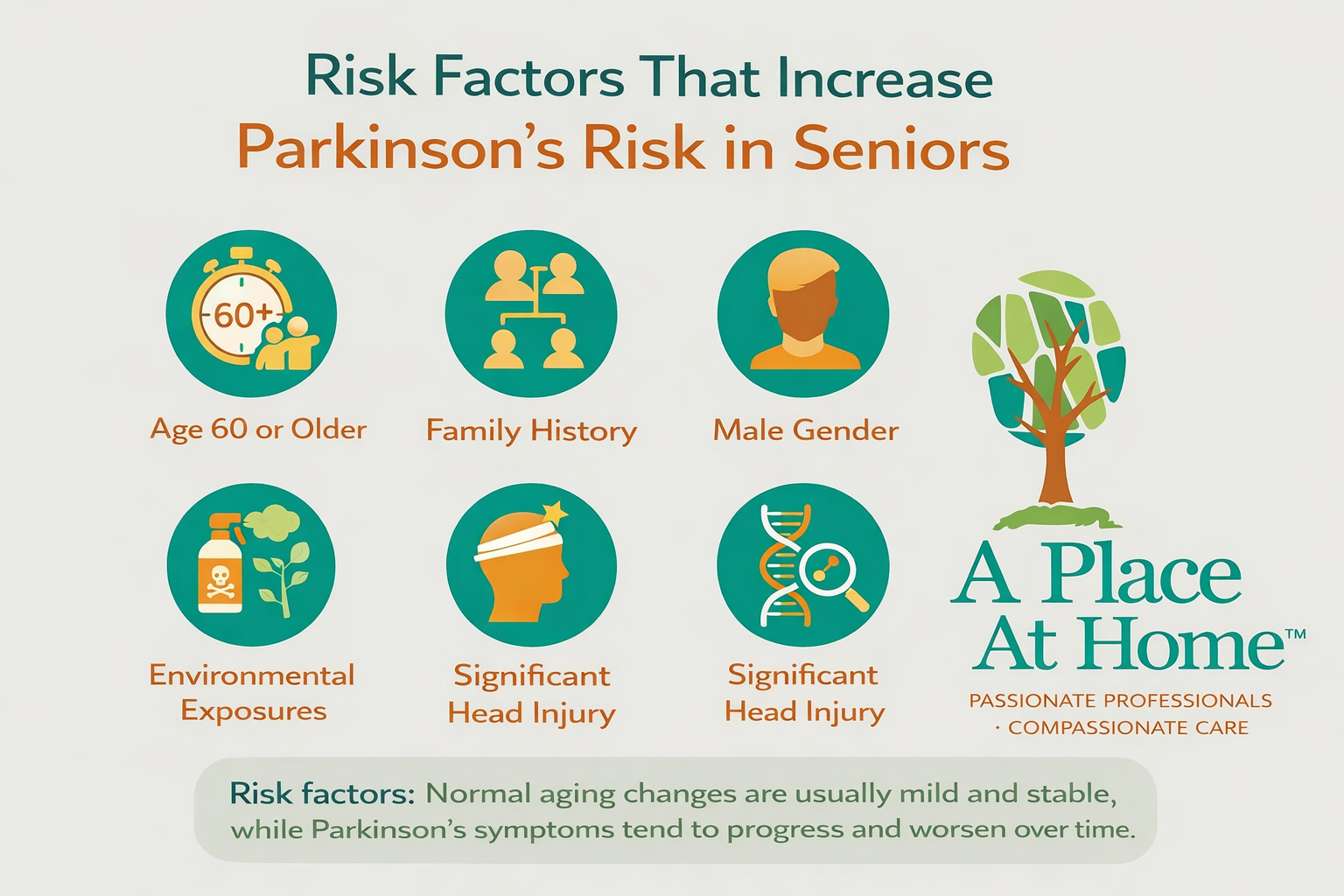
risk factors that increase parkinsons in seniors

Common risk factors include:

  • Age 60 or older
  • A family history of Parkinson’s disease
  • Being male
  • Long-term environmental exposures, such as certain chemicals or pesticides
  • A history of significant head injury
  • Specific genetic markers linked to the condition

Understanding risk factors gives caregivers and seniors helpful context. When combined with noticeable symptoms, they can signal that it may be time to seek a professional evaluation or additional support.

When to See a Doctor

Not every change in movement or mood points to Parkinson’s. However, certain patterns suggest it’s time for a professional evaluation. Acting early can bring clarity, rule out other conditions, and open the door to supportive care options.

Consider scheduling a medical appointment if you notice:

  • Symptoms that last six months or longer
  • Changes that begin to interfere with everyday tasks
  • Repeated falls or ongoing balance concerns
  • Sleep disturbances that include movement, kicking, or acting out dreams
  • Motor changes that are more noticeable on one side of the body

Seeking medical guidance doesn’t mean a diagnosis is certain. It simply ensures that seniors receive appropriate attention, monitoring, and recommendations to maintain safety and quality of life.

How Parkinson’s Is Diagnosed

Diagnosing Parkinson’s disease isn’t about a single lab test or scan, it’s a clinical process that combines careful medical evaluation with the exclusion of other possibilities, as outlined by trusted sources like the Parkinson’s Foundation and the National Institutes of Health (NIH).

A doctor (often a neurologist) will start with a comprehensive neurological evaluation, including a detailed review of the senior’s symptom history and how those symptoms have developed over time. They will observe movement, balance, coordination, and other physical signs to look for patterns consistent with Parkinson’s.

Because there is no definitive “Parkinson’s test,” imaging studies like MRI or dopamine transporter scans (DaTscan) are usually used to rule out other conditions with similar symptoms (such as stroke or structural brain changes), rather than to confirm Parkinson’s itself.

In some cases, doctors may also use lab work or specialized criteria to clarify the diagnosis, but the foundation remains a thorough clinical assessment, putting the person’s symptoms, history, and physical findings together in one picture.

Why Early Recognition Matters

Early awareness gives seniors and families valuable time to plan, adapt, and put supportive strategies in place. Addressing symptoms sooner helps improve safety, preserve independence, and reduce stress for everyone involved.

Establishing structure can also make daily life more manageable. Creating daily routines for seniors living with Parkinson’s can help reduce confusion, support mobility, and maintain confidence at home as symptoms evolve.

The Role of Caregivers and Family Members

Family members and caregivers are often the first to notice when something changes. Because Parkinson’s can begin subtly, the small differences seen day to day such as a slower walk, softer voice, reduced energy, or new sleep issues, may be easiest for loved ones to recognize.

Caregivers play an important role in observing patterns and tracking how symptoms progress over time. Sharing these details with medical providers can make appointments more productive and help doctors understand what a senior is experiencing at home, not just in the exam room.

Support also extends to attending medical visits, helping remember recommendations, and assisting with follow-through once everyone is back home. Even simple steps like organizing medications or reinforcing therapy exercises can make a meaningful difference.

Safety is another major focus. Caregivers frequently help with fall prevention, removing tripping hazards, improving lighting, and offering a steady hand when balance is uncertain. They may also provide daily routine support, ensuring meals are prepared, personal care is completed, and activities remain manageable and stress-free.

Above all, consistent involvement from family and caregivers helps seniors feel supported, understood, and less alone as they navigate changes.

Specialized Parkinson’s Support at Home in Weston, FL

Living with Parkinson’s brings changes, but seniors do not have to face them alone. With the right help, many older adults continue to live safely and comfortably in the homes they love while maintaining routines that bring meaning to each day.

Professional caregivers trained in Parkinson’s support understand how symptoms can affect mobility, balance, energy levels, and daily tasks. They provide steady assistance with personal care, medication reminders, meal preparation, fall prevention, transportation to appointments, and the encouragement seniors need to stay engaged and confident. Just as important, they offer families peace of mind knowing someone experienced is there.

If you’re noticing changes in a loved one or navigating a recent diagnosis, compassionate guidance can be extremely beneficial.

A Place At Home – Weston provides personalized Parkinson’s home care designed to adapt as needs evolve. Whether support is needed for a few hours a week or more comprehensive daily assistance, our care team is ready to help seniors maintain dignity, independence, and quality of life.

Reach out today to learn how specialized in-home Parkinson’s care can support both your loved one and your family in Weston, FL and the surrounding areas. Call (954) 335-9284

In-Home Care for Seniors with Parkinson’s Disease in Weston Florida

Parkinson’s Disease Related FAQs


Can a person have Parkinson’s disease and not have tremors?


Yes. A person can have Parkinson’s disease without ever developing noticeable tremors.
While tremors are the most widely recognized symptom, they are not required for a Parkinson’s diagnosis.
Many seniors experience other symptoms first, such as slowed movement (bradykinesia), muscle stiffness,
balance changes, or non-motor symptoms like sleep disturbances, constipation, depression, or loss of smell.
In some cases, tremors remain mild or never appear at all.


How can you tell the difference between essential tremor and Parkinson’s disease?


Essential tremor usually occurs during movement (such as writing or holding objects),
affects both sides of the body, and does not cause stiffness or slowed movement.

Parkinson’s tremor typically happens at rest, starts on one side, and is often accompanied
by rigidity, slowed movement, and balance changes.


How does Parkinson’s tremor start?


Parkinson’s tremor usually begins gradually and subtly. It most often starts on one side of the body,
commonly in one hand or fingers, and appears while the limb is at rest.

Early Parkinson’s tremor can be intermittent, showing up during periods of stress, fatigue, or anxiety
and disappearing at other times. As the condition progresses, the tremor may become more consistent and
can spread to the other side of the body, though it is not always the most disruptive symptom.

Common Reasons Why Your Elderly Parent Keeps Waking Up at Night

Watching an elderly parent wake up multiple times during the night can be exhausting and worrying. Sleep is essential for memory, mood, immunity, heart health, balance, and overall well‑being. Many families assume sleep problems are simply part of aging, but frequent nighttime awakenings are often a sign of underlying issues that can be addressed.

How Common Are Sleep Problems Among Seniors in Florida

According to the U.S. Department of Health and Human Services data from the 2022 Behavioral Risk Factor Surveillance System, about 27.9 percent of adults age 65 and older in Florida report sleeping less than seven hours per night, which is below the recommended amount for healthy adults. This shows that insufficient sleep is a significant concern for older Floridians.

Pembroke Pines specifically has a growing senior population, with about 19.5 percent of residents aged 65 and over, which is higher than the national average. This makes sleep issues particularly relevant to families in the area.

Nationwide data also indicate that nearly half of older adults experience insomnia or poor sleep quality, with many seniors unaware that their sleep challenges could be addressed with proper support. Sleep disruptions are not just inconvenient; they can have real health consequences.

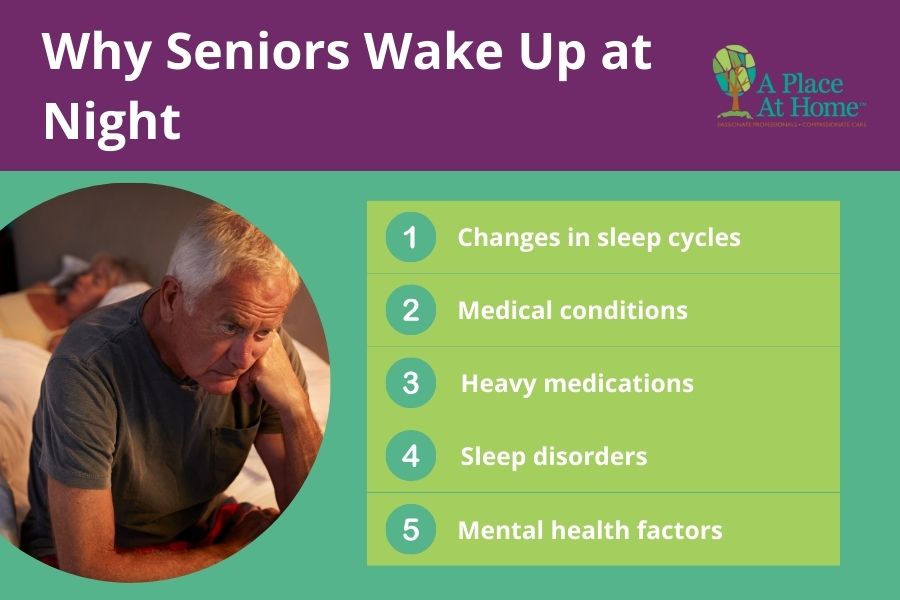
Why Seniors Wake Up at Night

There are several factors that contribute to frequent nighttime waking in older adults, often interacting with one another:

  • Changes in sleep cycles: Seniors often experience lighter sleep and earlier waking times.
  • Medical conditions: Pain from arthritis, heart or lung problems, diabetes, or bladder issues can interrupt sleep.
  • Medications: Drugs for blood pressure, mood, or pain may cause insomnia or fragmented sleep.
  • Sleep disorders: Sleep apnea, restless leg syndrome, and insomnia are more common in older adults. Studies suggest that 20 to 60 percent of people over age 65 show signs of sleep apnea.
  • Mental health factors: Anxiety, depression, or cognitive changes can affect the ability to stay asleep.

The Consequences of Poor Sleep

Sleep is not simply rest. It is the period when the body repairs tissues, strengthens the immune system, consolidates memories, and regulates hormones. When seniors do not sleep well, the effects extend beyond fatigue. Cognitive performance may decline, memory lapses can increase, and the ability to focus and make decisions diminishes. Physical health is also affected. Poor sleep is associated with a higher risk of falls, slower healing, and worsening chronic conditions such as diabetes and heart disease.

The impact extends to family caregivers as well. Nighttime caregiving, especially when parents wake up multiple times, can lead to exhaustion, stress, and burnout. Families may find themselves navigating work, daily responsibilities, and caregiving all at once, often without the support needed to manage these demands. Improving sleep is essential not just for seniors but for the well-being of the entire household.

Practical Strategies to Support Better Sleep in Seniors

Addressing sleep challenges usually requires a combination of lifestyle changes, environmental adjustments, and medical support. The following strategies are recommended by geriatric care experts:

  • Create a consistent sleep schedule. Seniors benefit from going to bed and waking at the same time every day. A calming pre-bedtime routine, such as reading, listening to soft music, or gentle stretching, helps signal to the brain that it is time to sleep.
  • Optimize the bedroom environment. A cool, dark, and quiet room promotes restorative sleep. Comfortable bedding and supportive mattresses improve physical comfort. Limiting bright screens in the evening helps the body naturally prepare for sleep.
  • Monitor diet and hydration. Avoiding caffeine and large meals in the evening can prevent sleep disruption. Encouraging fluids earlier in the day reduces nighttime trips to the bathroom while maintaining proper hydration.
  • Encourage daytime physical activity and natural light exposure. Gentle exercises such as walking or stretching support deeper sleep at night, while exposure to daylight during the day helps regulate circadian rhythms.
  • Consult a healthcare provider. If medications or health conditions are contributing to nighttime awakenings, a doctor can review treatment plans. Evaluations for sleep disorders such as sleep apnea or restless leg syndrome can help identify underlying causes.
  • Keep a sleep diary. Recording bedtime, wake times, nighttime awakenings, medication schedules, and daily fatigue can provide valuable insight for healthcare professionals in tailoring solutions.

Overnight Care Support in Pembroke Pines, Florida

Sometimes seniors need support beyond routine changes and lifestyle adjustments. A Place at Home‑Weston provides compassionate overnight care in Pembroke Pines, Florida, offering:

  • Assistance with bedtime routines and mobility
  • Medication reminders and bathroom support
  • Gentle companionship throughout the night
  • Supervision to reduce nighttime anxiety and falls

Overnight care allows seniors to rest more comfortably and gives families confidence that their loved ones are safe and supported.

If your parent struggles with nighttime awakenings, contact A Place at Home‑Weston to learn how our overnight care services can help improve sleep and overall well-being for your loved one. Call (954) 335-9284

FAQs Related to Sleep Issues in Seniors

Is it normal for seniors to nap during the day if they sleep poorly at night?

Short daytime naps can be helpful, but long or late-afternoon naps may make nighttime sleep more difficult. Seniors generally benefit most from brief naps earlier in the day, especially if nighttime sleep is fragmented.

What is the emotional impact of poor sleep on seniors?

Ongoing sleep disruption can affect mood, increase irritability, and contribute to feelings of isolation or frustration. Supporting better sleep often leads to noticeable improvements in emotional well-being and daily engagement.

Can nighttime waking be linked to memory loss or dementia?

Yes. According to research published in BMC Geriatrics, sleep-wake disorders, including frequent night awakenings and irregular sleep patterns, occur in most people living with dementia and are a common feature of cognitive decline, contributing to disrupted nighttime rest. In this study, researchers note that sleep-wake disorders include frequent nocturnal awakenings and poor sleep efficiency, and that these symptoms burden both the individual and caregivers.

How does poor sleep affect fall risk in older adults?

Interrupted sleep can lead to grogginess, slower reaction time, and poor balance, especially during nighttime bathroom trips. Adequate supervision, proper lighting, and assistance during the night can significantly reduce fall risk.

How does overnight care differ from having a family member “check in” at night?

Professional overnight caregivers remain alert and present throughout the night, providing consistent supervision, assistance, and reassurance. This level of support reduces risks that brief or intermittent check-ins may miss.

Parkinson’s Care at Home: How Daily Routines Support Seniors

How to Adapt Daily Routines for Someone with Parkinson’s

Parkinson’s disease is a progressive neurological condition that affects movement, coordination, and daily function. According to the Parkinson’s Foundation, an estimated 1.1 million people in the United States are living with Parkinson’s disease, and that number is projected to rise in the coming years. As symptoms change over time, adapting daily routines becomes one of the most important ways to preserve independence, safety, and emotional well-being.

Parkinson’s affects every individual differently. As abilities change, older adults living with this condition must continually adjust their daily routines. By developing healthy habits and thoughtful strategies, those with Parkinson’s can maintain a sense of purpose, improve their well-being, and enjoy a better quality of life.

The progressive motor challenges associated with Parkinson’s can significantly impact everyday activities. Common symptoms include tremors that may occur even while at rest, muscle stiffness or rigidity, slowed movement, shuffling steps, and episodes of “freezing,” when the feet seem unable to move forward.

In addition to physical symptoms, Parkinson’s also brings non-motor challenges. These may include memory and concentration difficulties, persistent fatigue, sleep disturbances such as insomnia or restless legs, and an increased risk of depression and anxiety. Together, these changes can affect both emotional health and cognitive function.

Although these physical and mental changes can reduce independence, they do not eliminate the ability to live meaningfully. With the right daily routines and adaptive strategies, individuals with Parkinson’s can feel empowered, resilient, and supported. Establishing consistent, manageable habits provides structure that strengthens both physical health and emotional well-being.

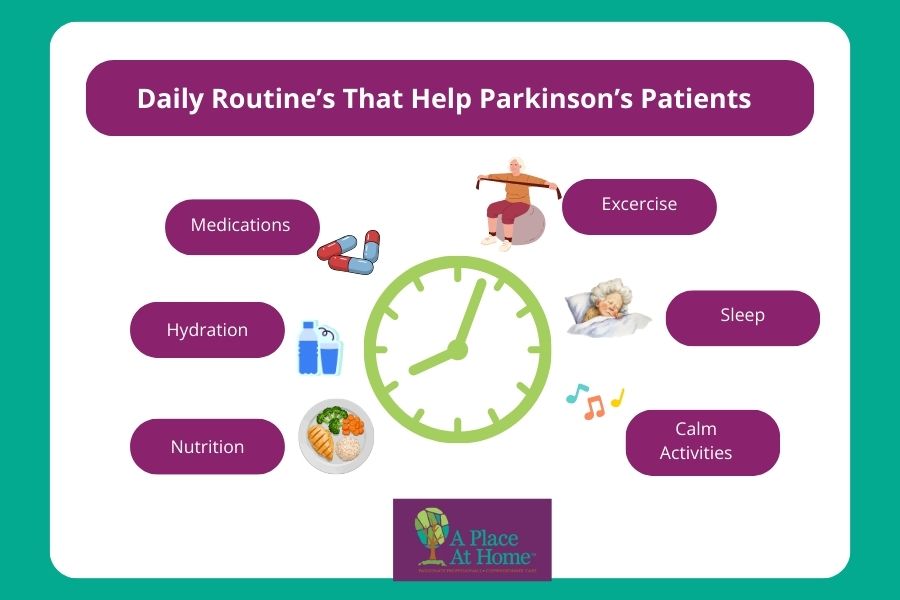
Daily Routine’s That Help Parkinson’s Patients

How Physical Activity Helps Parkinson’s Symptoms

Regular exercise offers tremendous health benefits, even to Parkinson’s patients who feel too stiff to move. Ease into movements to warm up the muscles. Upon waking, stretch in bed for a few minutes. Roll the neck, ankles, and shoulders. Take a walk, do Tai Chi or swim.

Join an exercise class filled with participants affected by Parkinson’s or that is led by a coach with the condition. Work up to exercise 30 minutes, 5 days a week. On days when exercising feels impossible, perform a little at a time and focus on small wins to stay motivated.

How Nutrition Supports Parkinson’s Management

Start incorporating fruits, vegetables, legumes, whole grains and beans into daily meals to ease Parkinson’s symptoms. At the same time, limit sugars, processed foods and red meat. Try modeling food choices on the Mediterranean and MIND diets, which are shown to benefit Parkinson’s patients.

Consuming foods rich in vitamins and minerals helps the aging body optimize medications. Meals that are rich in fiber manage constipation. Good nutrition also maintains bone health. Plus, a balanced diet improves energy levels for older adults living with Parkinson’s disease.

Why Parkinson’s Medications Must Be Taken on Time

Parkinson’s medications, such as COMT inhibitors, dopamine agonists, and anticholinergics, deliver maximum benefits when taken at the same time each day. Seniors who stay consistent with a medication schedule help keep their Parkinson’s symptoms, like tremors and rigidity, under control.

Adapting to the drug routine may include setting medication reminders on a smartwatch or phone, using a pill organizer that sounds like an alarm or relying on a medication reminder app. Drink a full glass of water upon taking the medications to help the body break them down more efficiently.

How Sleep Impacts Parkinson’s Disease

A quality night’s rest helps repair a body affected by Parkinson’s disease, contributing to better movement the next day and less severe symptoms. Memory and decision-making ability also improve by getting the 7 to 9 hours of uninterrupted sleep recommended by experts.

Modify the bedroom environment to promote restful sleep. Dim the lights and adjust the temperature until the room is comfortable. Avoid daytime naps and screen time an hour before bed to encourage nighttime sleep. Fulfill needs for food and restroom use before bed to prevent awakening at night.

How Stress Worsens Parkinson’s Symptoms

Stress worsens Parkinson’s symptoms by further depleting the senior’s already minimal dopamine levels, intensifying tremors and exacerbating sleep problems. Acute stress can also interfere with the effectiveness of Parkinson’s medications. While stress is inevitable, the elderly can learn to manage it.

Seniors can incorporate any number of stress relievers into their daily routines. Artistic older adults paint, play the piano, and dance to lively music. Others journal to express difficult emotions. Meditation is another popular tool to help relieve the burden of daily stress.

Why Social Connection Matters for Parkinson’s Patients

The health benefits of positive social interactions are many, boosting the immune system, easing depression and anxiety, and helping the elderly feel acknowledged. However, Parkinson’s symptoms can shut down normal functions and interfere with engaging socially with friends and family.

The soft voice, facial masking, and tremors that accompany Parkinson’s disease contribute to the feelings of social isolation and loneliness many patients feel. A community of supportive friends, family, and caregivers ensures that seniors remain socially connected and emotionally healthy every day.

Older adults affected by Parkinson’s disease are urged to adapt their daily routines to better cope with the changes their condition brings. New habits form gradually and may be more difficult to develop for seniors with Parkinson’s, since their dopamine reward system is in decline.


Common Questions About Parkinson’s and Daily Living

Can Parkinson’s patients live independently at home?

Yes, many people with Parkinson’s can live independently at home, especially in the early and middle stages of the disease. Independence depends on how well symptoms like tremors, balance issues, stiffness, and memory changes are managed. With consistent medication, safe home modifications, and support from family or home care providers, many Parkinson’s patients continue cooking, bathing, dressing, and managing daily life in their own homes for years.

How do daily routines reduce Parkinson’s symptoms?

Daily routines reduce Parkinson’s symptoms by stabilizing the brain’s dopamine cycles. When activities such as eating, exercising, sleeping, and taking medication happen at the same time each day, the nervous system experiences less stress and fewer fluctuations. This leads to more predictable movement, fewer “off” periods, better balance, and improved energy levels throughout the day.

What makes Parkinson’s worse during the day?

Parkinson’s symptoms get worse when medication timing is inconsistent, stress levels rise, fatigue builds up, or sleep quality is poor. Missed or delayed doses cause dopamine levels to drop, leading to increased tremors, stiffness, and freezing. Dehydration, low blood sugar, emotional stress, and overexertion can also trigger symptom flare-ups later in the day.

What kind of home care do Parkinson’s patients need?

Parkinson’s patients need home care that focuses on medication reminders, mobility support, fall prevention, personal care, and daily routine assistance. This includes help with bathing, dressing, meal preparation, transportation to medical appointments, and safe movement around the home. As the disease progresses, caregivers also provide emotional support, companionship, and monitoring to ensure safety and stability.

Parkinson’s Home Care from A Place at Home-Weston

Parkinson’s specialists agree that consistent routines, medication timing, physical movement, and emotional support are the four pillars of successful home-based Parkinson’s management.

Support is available through friends, family members, and trusted home care providers such as A Place At Home. We deliver compassionate Parkinson’s home care designed to help individuals living with this progressive condition maintain their independence while improving daily quality of life.

Our non-medical in-home care includes medication assistance, with gentle reminders that help seniors take prescriptions on schedule, so they receive the full benefit of their treatment and avoid symptom flare-ups.

Senior with Parkinson’s receiving in-home support from a caregiver in Weston, Florida

For those experiencing movement challenges, caregivers also provide hands-on mobility support to reduce the risk of falls and injuries. Home safety evaluations and ongoing monitoring further help protect seniors as their needs change.

In addition, caregivers assist with errands and transportation, including medical appointments and pharmacy visits. Grocery shopping, nutritious meal preparation, and help with bathing, dressing, and grooming are all part of daily support. Just as importantly, companionship and meaningful social interaction promote emotional well-being and reduce isolation.

When your aging loved one is diagnosed with Parkinson’s, the caregivers at A Place At Home can help them adapt their daily routines and continue living with confidence. Schedule a complimentary in-home consultation to learn more about Parkinson’s home care in Weston, Hollywood, Pembroke Pines, and surrounding Broward County communities. Call (954) 335-9284

How to Organize Medications for Seniors | Safe At-Home Tips

medication management tips for seniors

Proper medication management is essential for protecting the health of your senior loved one. Whether you’re a family member helping with prescriptions or a senior managing medications yourself, these tips can help you stay organized, prevent errors, and ensure that medications provide the full benefits they are intended to deliver.

Know the Common Challenges for Medication Management

Medication management can be challenging, especially for older adults. Research shows that self-administering medications often leads to problems, particularly for those taking multiple prescriptions, supplements, or over-the-counter drugs. Common mistakes include:

  • Taking the wrong dose
  • Missing a dose
  • Confusion about which medication to take
  • Using the wrong method of administration
  • Taking medication at the wrong time
  • Taking medication too often or not often enough

Establishing a consistent routine can help simplify medication management, reduce errors, and make treatment more effective.

Is This a Sign Your Loved One Needs Medication Help?

Some warning signs include:

  • Missed or duplicate doses
  • Medications piling up or going unused
  • Confusion about pill names
  • Visible changes in behavior or health
  • Difficulty reading labels or instructions

If you see these signs, it may be time to add support or professional home care.

Have a Master Medication List

Keeping an up-to-date, comprehensive medication list is one of the most effective ways to stay in control of medication management at home. Your list should include everything you take, prescriptions, over-the-counter medicines, vitamins, and supplements, making it easier to follow your routine consistently.

Always have your master list readily available and bring it to every medical appointment.

For added convenience, consider keeping a digital backup on your phone. For each medication, be sure to include:

  • Medicine name (both generic and brand)
  • Dosage and frequency
  • Timing and administration instructions
  • Purpose of the medication
  • Prescribing doctor
  • Possible side effects

A detailed, organized list helps prevent errors, ensures better communication with healthcare providers, and makes managing medications much simpler.

senior taking the medicine

Use Pill Organizers

Using a pill organizer is an effective way to stay on schedule with medications and prevent missed doses. There are many options available, and here are some key factors to consider before choosing one:

  • Choose an organizer with separate compartments for each day and time of day.
  • Select a size and style that fits your lifestyle, think about whether you’ll need to carry it with you.
  • Once you have the right organizer, be sure to fill it at the start of the week to keep your routine consistent.

Take Medications According to Habits

You can structure your day so that taking medications becomes a natural habit. By pairing medications with existing routines and using reminders, it becomes easier to take the right doses consistently.

Tips for connecting medications to daily habits:

  • Keep medicines that need to be taken on an empty stomach by your nightstand or breakfast area so you can take them first thing in the morning.
  • Take medications that require twice-daily doses when brushing your teeth in the morning and before bed.
  • Pair daily vitamins with meals, such as lunch, to make them easier to remember.

Building on habits you already have, like drinking your morning coffee or brushing your teeth, helps ensure that taking medication becomes a seamless part of your daily routine.

Set a Reminder

Even with a solid routine and a pill organizer, reminders can help ensure you never miss a dose. Here are several strategies to help you take medications on time:

  • After taking a dose, turn the bottle upside down and flip it back before bed so it’s ready for the next day.
  • Use a smart speaker to provide daily reminders.
  • Set alarms or recurring calendar notifications on your phone.
  • Sign up for a subscription service that sends text or call reminders.
  • Use a medication management app to track doses.
  • Keep a whiteboard or sticky note with your medication schedule in a visible spot.
  • Consider pill bottles with built-in alarm tops for added alerts.

Combining multiple reminder methods can make staying on track easier and more reliable.

Partner Up with Others

You don’t have to manage medications alone. Building a support network can make your routine safer, easier, and more reliable. Here are some sources of support:

  • Primary care team: Schedule regular medication reviews with your doctor to ensure dosages are correct, reduce unnecessary medications, and adjust treatment as your needs change.
  • Pharmacy team: Pharmacists can check for medication interactions, explain potential side effects, and help simplify your regimen. Many pharmacies also offer automatic refills and delivery services to make management easier.
  • Family members and friends: If medication management feels overwhelming, ask a trusted friend or family member for help. They can assist in creating a master medication list, filling a pill organizer weekly, or providing gentle reminders.
  • Professional senior care services: Senior living or home care services often provide support with organizing, timing, and administering medications. They can also assist with meal preparation, transportation, and other daily tasks, giving you greater peace of mind.

Handle Medications Safely

Always handle medications safely. Developing safe habits protects your health and ensures your medications remain effective. Consider the following tips:

  • Use safe storage: Keep all medications in their original containers to preserve dosage instructions, expiration dates, and other important information. Store them away from heat and light, and out of reach of children.
  • Dispose of medications properly: Check expiration dates regularly and safely dispose of any expired or unused medications.
  • Carry medications safely when traveling: Keep medications in clearly labeled bottles to make them easily identifiable, including for airport security checks.
  • Keep learning: Safe medication management is an ongoing process. Stay informed, explore helpful resources, and share best practices to maintain effective routines for yourself or your senior loved one.

Professional Home Care from A Place At Home

Managing medications at home can feel overwhelming, even with routines, organizers, and reminders in place. Caregivers from A Place At Home – Weston can assist seniors with medication management as part of our senior home care services. We can help organize medications, provide reminders, ensure doses are taken correctly, and offer peace of mind for both seniors and families.

Beyond medication assistance, our caregivers can help with daily tasks such as meal preparation, transportation, and light housekeeping while helping seniors maintain independence at home.

Why Families Trust A Place At Home – Weston

Our caregivers are trained in medication safety, senior routines, and individualized care plans. We follow all Florida state guidelines on medication reminders and provide compassionate, reliable support for aging adults who need help staying safely on track.

Non Medical Home Care in Weston FL

Areas We Serve

We proudly support seniors in:

Weston, Pembroke Pines, Davie, Hollywood, Sunrise, Southwest Ranches, Plantation, and nearby South Florida communities. Call (954) 335-9284

We offer a free consultation. If you don’t know what happens during the consultation, read our guide on how you can schedule a free in home consultation.

FAQs

What’s the safest way to store medications at home?

Keep medications in their original bottles, in a cool and dry spot, never in the bathroom where humidity builds. If kids or visitors are in the home, choose a cabinet that’s out of reach or has a simple lock.

Should seniors keep old prescriptions “just in case”?

No. Expired or unused medications can be confusing and unsafe, especially for seniors with memory issues. It’s best to dispose of them properly through a pharmacy drop-off box or community take-back program.

How often should a medication list be updated?

Any time something changes even if it’s just a vitamin. Bring the list to every doctor’s visit so each provider knows exactly what your loved one takes.

What if my senior takes medications at different times of the day?

Pill organizers with morning, afternoon, evening, and bedtime sections make this much easier. Many caregivers also set alarms or use color-coded labels to keep everything clear.

What should I do if my loved one refuses their medication?

Stay calm, avoid arguing, and try again a little later. Sometimes taking medication with food helps, as long as the prescription allows it. If refusal becomes a pattern, speak with their doctor, there may be alternative options or underlying reasons.

How can I help a senior who struggles to read medication labels?

Use large-print stickers, simplify instructions on a small notepad, or ask the pharmacy for easy-open, large-type labels. Many pharmacies offer this at no extra cost.

What’s the difference between medication reminders and medication administration?

Medication reminders mean a caregiver prompts the senior and organizes their medications but does not administer them. Administration is done by licensed medical professionals only. This varies by state, so always check local guidelines. A Place at Home-Weston only provides medication management to seniors and older adults as a part of our in-home care services.

.faq-accordion { width: 100%; margin: 0 auto; padding: 2rem 1rem; box-sizing: border-box; } .faq-accordion h2 { margin: 0 0 1.5rem; } .faq-item { border-bottom: 1px solid #ddd; margin-bottom: 0.75rem; padding: 0.5rem 0; } /* summary (question) */ .faq-item summary { cursor: pointer; list-style: none; display: flex; justify-content: space-between; align-items: center; font-weight: 600; } /* hide default marker */ .faq-item summary::-webkit-details-marker { display: none; } /* plus/minus icon */ .faq-item summary::after { content: "+"; margin-left: 1rem; transition: transform 0.2s ease; } .faq-item[open] summary::after { content: "–"; } /* answer */ .faq-answer { margin-top: 0.5rem; line-height: 1.5; } /* spacing on larger screens */ @media (min-width: 768px) { .faq-accordion { padding: 2rem 0; } } { "@context": "https://schema.org", "@type": "FAQPage", "mainEntity": [ { "@type": "Question", "name": "What’s the safest way to store medications at home?", "acceptedAnswer": { "@type": "Answer", "text": "Keep medications in their original bottles, in a cool and dry spot, never in the bathroom where humidity builds. If kids or visitors are in the home, choose a cabinet that’s out of reach or has a simple lock." } }, { "@type": "Question", "name": "Should seniors keep old prescriptions “just in case”?", "acceptedAnswer": { "@type": "Answer", "text": "No. Expired or unused medications can be confusing and unsafe, especially for seniors with memory issues. It’s best to dispose of them properly through a pharmacy drop-off box or community take-back program." } }, { "@type": "Question", "name": "How often should a medication list be updated?", "acceptedAnswer": { "@type": "Answer", "text": "Any time something changes even if it’s just a vitamin. Bring the list to every doctor’s visit so each provider knows exactly what your loved one takes." } }, { "@type": "Question", "name": "What if my senior takes medications at different times of the day?", "acceptedAnswer": { "@type": "Answer", "text": "Pill organizers with morning, afternoon, evening, and bedtime sections make this much easier. Many caregivers also set alarms or use color-coded labels to keep everything clear." } }, { "@type": "Question", "name": "What should I do if my loved one refuses their medication?", "acceptedAnswer": { "@type": "Answer", "text": "Stay calm, avoid arguing, and try again a little later. Sometimes taking medication with food helps, as long as the prescription allows it. If refusal becomes a pattern, speak with their doctor, there may be alternative options or underlying reasons." } }, { "@type": "Question", "name": "How can I help a senior who struggles to read medication labels?", "acceptedAnswer": { "@type": "Answer", "text": "Use large-print stickers, simplify instructions on a small notepad, or ask the pharmacy for easy-open, large-type labels. Many pharmacies offer this at no extra cost." } }, { "@type": "Question", "name": "What’s the difference between medication reminders and medication administration?", "acceptedAnswer": { "@type": "Answer", "text": "Medication reminders mean a caregiver prompts the senior and organizes their medications but does not administer them. Administration is done by licensed medical professionals only. This varies by state, so always check local guidelines. A Place at Home-Weston only provides medication management to seniors and older adults as a part of our in-home care services." } } ] }

What Causes Body Odor in Older Adults?

causes of body odor in seniors


Aging brings many changes, and one of them is a change in body odor. Whether caused by hormonal shifts, lifestyle factors, or the natural aging process itself, body odor in older adults can be managed effectively. Here’s how caregivers can help their loved ones stay fresh, confident, and comfortable.

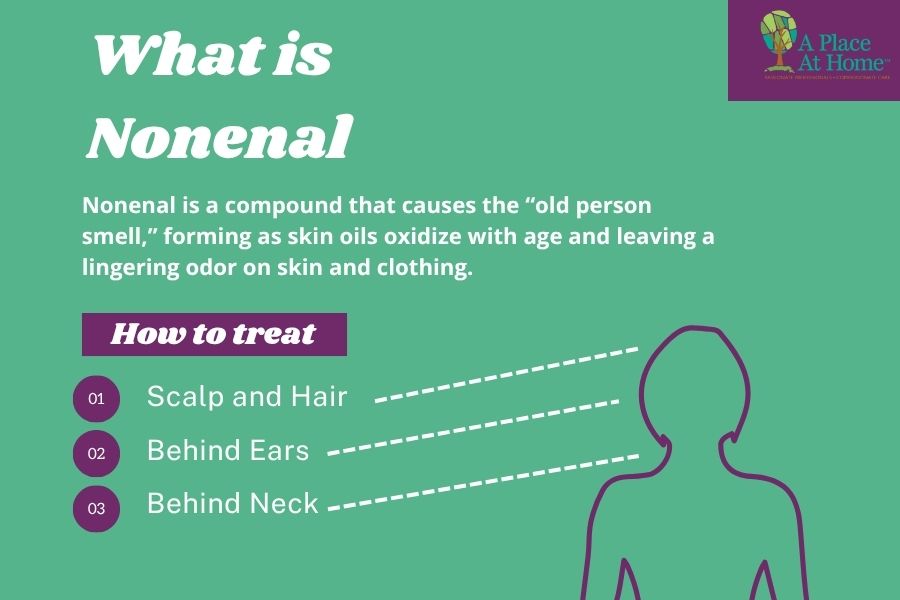
Caregivers may sometimes notice a grassy or greasy scent on their aging care recipients. Commonly referred to as “old person smell,” this distinct odor, known medically as nonenal, is a normal part of aging that typically begins around age 40 and becomes more noticeable over time.

Nonenal forms when the natural oils in aging skin break down. Specifically, omega-7 unsaturated fatty acids oxidize, producing a compound called 2-nonenal. Around middle age, the body’s natural antioxidant defenses begin to decline, allowing this process to occur more readily. A study published in the Journal of Investigative Dermatology confirmed that 2-nonenal is a key contributor to age-related body odor, detectable in individuals aged 40 and older (PubMed).

Because 2-nonenal is not water-soluble, it can linger on the skin even after bathing. As a result, the “old person smell” can persist on the body as well as on fabrics like clothing, bedding, and upholstery, even in clean environments.

What is Nonenal-infographic

Common Causes of Body Odor in Older Adults

Hormonal Changes

Aside from the naturally occurring chemical compound, nonenal, other changes contribute to body odor in older adults. Hormonal changes lead to an increase in lipid production, which oxidize and form nonenal. Research in Free Radical Biology and Medicine indicates that oxidative degradation of omega-7 fatty acids in skin lipids produces 2-nonenal, reinforcing how age and hormonal shifts combine to create body odor (PMC).

Menopause is an event during which women experience major hormonal shifts. Women of menopausal age may develop higher body temperatures and sweat as a result of hot flashes. Estrogen levels decline during menopause, causing the composition of sweat to become more odorous.

A higher level of testosterone develops in the sweat as a result of decreased estrogen in menopausal women, which can attract bacteria and produce body odor. Stress and anxiety increase at this stage, too, and trigger sweating from odor-producing apocrine glands.

Dietary Changes

What a senior eats also affects how they smell. The familiar culprits, garlic, onions and spices, are known to release sulfurous compounds that are excreted through sweat and pores. Foods loaded with spices cause the elderly to perspire more, which produces more body odor.

Similarly, processed foods cause body odor. Foods containing sugar, salt, and additives are processed quickly by the body but affect gut bacteria, causing an overgrowth of odor-producing compounds. Processed foods high in fat slow digestion or break down into odorous substances.

Health Conditions

Certain illnesses, like diabetes and kidney disease, are common among the aging population. Diseases like these can change how the body smells. When the aging body breaks down fat instead of glucose in cases of uncontrolled diabetes, ketones build up and cause a fruity smell in the breath and sweat.

Kidney disease causes damage to the kidneys. As a result, the damaged organs are unable to properly filter waste from the blood. The buildup of waste in the body is released through the breath and skin as an ammonia-like or fishy smell.

Infections, particularly bacterial and fungal, can produce a foul odor on the skin. A healthy balance of bacteria is normally present on the skin. However, infections cause bacteria to multiply, especially in moist areas, like skin folds. Bacterial waste produces strong, offensive smells.

How Do Seniors Manage Body Odor?

While a change in body odor is expected as people age, it can be minimized by following a healthy lifestyle. Hydration is key to reducing body odor as it supports the body’s detox process. By drinking water throughout the day, seniors flush out toxins from the body and decrease odors.

Eating a clean diet is also helpful in reducing odors. Limit foods, such as garlic, onions and processed foods, that are known to affect body odor. Instead, promote a healthy internal balance by consuming more fruits and vegetables, which are rich in antioxidants that aid the natural detoxification process.

Water-rich foods, like watermelon and cucumber, dilute the fatty acids that contribute to body odor. Leafy greens high in chlorophyll also help neutralize body odor. Citrus contains compounds that neutralize the effect of odor-causing foods, like those rich in sulfur.

Minimize body odors by wearing breathable fabrics. Clothing made of cotton or linen absorbs moisture and allows sweat to evaporate more readily, preventing odor-causing bacteria from thriving. Polyester and other synthetic fabrics, on the other hand, trap sweat and allow bacteria to multiply.

Seniors should take regular baths or showers to clean sweat from their bodies. Exfoliate the skin occasionally to remove dead skin cells that can contribute to odors. Change into clean clothes daily, and especially after exercising, to reduce unwanted body odor.

Senior Home Care from A Place At Home-Weston

Elderly body odor may be unpleasant, but it is manageable by understanding the causes and following the abovementioned tips. When your aging loved one is bothered by body odor, the professional caregivers at A Place At Home can help them live with increased dignity and comfort.

We offer a wide range of in-home care services designed to support seniors’ health, hygiene, and overall well-being. Our caregivers prepare nutritious meals rich in vitamins and minerals and serve fresh fruits high in antioxidants. To promote hydration and help flush out toxins, we provide beverages throughout the day.

Caregivers also assist with personal hygiene tasks such as grooming, bathing, and toileting. After physical activity, we help seniors change into clean clothes to prevent body odor and discomfort. We also recommend breathable fabrics that wick away moisture and keep the skin dry and fresh.

In addition to personal care, our services include safe transportation, timely medication reminders, and compassionate companionship. Through friendly conversation and enjoyable activities, caregivers help prevent loneliness and promote emotional well-being. We also make home safety a top priority by removing clutter and reducing the risk of falls.

Whether you choose respite care, 24-hour care or compassionate Alzheimer’s care, A Place At Home tailors a care plan to fulfill your aging loved one’s needs. We are privileged to serve Weston, Florida, seniors. Schedule a free in-home consultation today to learn how reliable elder care enhances quality of life.

Stair Safety for Seniors: 8 Ways to Prevent Falls at Home

If your senior loved one hopes to age safely in their own home, ensuring a secure living environment is essential. One of the most important areas to focus on is the stairs—whether they lead to a basement, a second-floor bedroom, or even a backyard. Stairs can pose a significant risk of falls, so taking steps to make them safer is a crucial part of protecting your loved one’s independence and well-being.

For families in Weston and the surrounding Broward County communities, many homes are multistory. That makes stair safety especially important for older adults who want to remain in the comfort of their own home.

How Stairs Can Be Dangerous for Seniors

In the United States, more than 1 million people are injured on stairs each year, an average of about 3,000 injuries per day, or one every 30 seconds. The risk of stair-related injuries increases as we age, due to decreased coordination, reduced strength, and changes in vision, all of which can make navigating stairs more challenging.

Research shows that adults aged 60 and older are at a higher risk of hospitalization from stair-related injuries. Certain health conditions can further increase this risk. For example, osteoporosis can make bones more fragile, while anticoagulant medications can lead to serious complications such as intracranial bleeding if a fall occurs.

Falls can also be triggered by a variety of underlying issues—balance problems, medication effects, chronic pain, or neurological changes. To better understand the most common reasons seniors experience falls, you can read our resource on Why Seniors Keep Falling.

Stairs are common in American homes, with more than half of all houses containing them. In some regions, like New England and the Middle Atlantic, more than 90 percent of homes are multistory, making stair safety an important concern for older adults.

Quick Ways to Make Stairs Safer for Seniors

If you are worried about your loved one’s safety on the stairs, here are some simple changes that can have a big impact:

  • Add non-slip treads or low-pile, tightly fitted carpet
  • Improve lighting at the top and bottom of the staircase
  • Install sturdy handrails on both sides of the stairs
  • Mark the edge of each step with contrasting or reflective tape
  • Remove clutter, loose rugs, and decorative objects
  • Consider a stair lift if your loved one frequently avoids the stairs

These changes, combined with regular supervision and support, can greatly reduce the risk of stair-related falls.

How to Make Stairs Safer for Seniors at Home

Falls can have serious consequences for older adults, which is why it’s so important to be proactive in reducing the risk. One of the most effective ways to do this is by making thoughtful design and environmental changes in the home. Here are some practical strategies to make stairs safer for seniors:

Add Traction to the Stairs

Most stair-related injuries occur from slipping rather than tripping, which makes reducing slipperiness a top priority. If your stairs are made of wood or tile, consider adding materials that increase traction, such as:

  • Rubber or abrasive stair treads
  • Anti-slip tape
  • Skid-resistant floor treatments

Low pile carpeting that is tightly fitted and securely attached can also help prevent slips. Additionally, encourage your senior loved one to wear proper footwear with a firm, rubber sole when using the stairs to further reduce the risk of falls.

Light Up the Stairs

Poorly lit stairs significantly increase the risk of slips and injuries, and in many homes, stairwells are more dim than other areas. Installing bright, even lighting makes it easier for your senior loved one to see each step, especially at the top and bottom, where most falls occur. Ideally, there should be a light switch at both the top and bottom of the staircase, or one can be installed if it’s not already in place. For added safety, consider wall-mounted, wireless motion-sensing night-lights positioned at foot and ankle level to guide each step in low-light conditions.

Increase Visual Cues

If your senior loved one has difficulty distinguishing individual steps, especially when the stairs are all the same color, adding reflective or colored tape to the edge of each step can help them see where one step ends and the next begins. Another option is to paint the vertical portion of wooden steps (the risers) white or a contrasting color, which clearly separates the tread, the part of the step meant for stepping, from the riser and makes each step easier to navigate.

Ensure Consistent Height and Depth

To help prevent tripping, it’s important that both the horizontal (tread) and vertical (riser) surfaces of each step are uniform in size. Stairs with inconsistent widths or varying heights can easily cause missteps, especially for seniors who may have reduced coordination or depth perception. Ensuring that every step is the same size and shape creates a predictable, safe surface that makes navigating the stairs much easier and reduces the risk of falls.

Get Rid of the Bottom-Step Illusion

In some older homes, the bottom step can blend in with the landing, creating a potential hazard. An elderly person may mistakenly think they are stepping onto a flat surface, increasing the risk of a fall. To prevent accidents, it’s important to clearly distinguish the bottom step from the rest of the landing. This can be done by adding a rubber tread or anti-slip tape, or by upgrading the step to match the design and color of the other stairs, making it easier to see and safely navigate.

Make Upgrades to the Handrails

Handrails are a crucial safety feature in any home, as they provide support, improve balance, and help prevent falls on stairs. Unfortunately, in many homes, they are more decorative than functional. For maximum safety, handrails should be rounded so that a hand can fully grasp and encircle them. Consider installing rails on both sides of the staircase, running the full length of the stairs, and positioned 30 to 36 inches above the floor. Properly installed handrails give seniors the stability they need to navigate stairs safely.

Remove Clutter

It’s important to keep stairways completely clear of clutter to eliminate any risk of tripping or falling. Items such as shoes, books, or decorative objects should never be left on the stairs, and any throw rugs should be removed, as they can easily slip or bunch up underfoot. Maintaining a clean, unobstructed pathway ensures that your senior loved one can navigate the stairs safely and with confidence.

Install a Stair Lift If Needed

If your senior loved one has significant difficulty navigating stairs, a motorized stair lift may be a practical solution. These lifts typically cost between $2,000 and $10,000, and in some cases, you may be able to claim part of the expense through insurance. Installation is usually completed in a single day, but it’s important to ensure that the stairway is wide enough to accommodate the chair while still allowing others to use the stairs safely. The lift can also be easily removed if you decide to sell the home, making it a flexible option for improving stair safety.

Professional Senior Home Care from A Place At Home

While making stairways safer is a critical step in preventing falls, it’s only one part of keeping your senior loved one safe and independent at home. Regular supervision, assistance with daily activities, and professional guidance can provide an added layer of protection and peace of mind.

At A Place At Home – Weston, our experienced caregivers are trained to support seniors in their homes, including:

  • Safe mobility and transfers on and around stairs
  • Support with personal care and daily tasks
  • Encouraging safe footwear and use of handrails
  • Monitoring for changes in balance, strength, or confidence

We work with families in Weston and nearby Broward County communities to create customized care plans that prioritize safety, independence, and quality of life while helping to prevent falls.

If you want to ensure your loved one can move safely around their home and reduce the risk of stair-related accidents, contact A Place At Home – Weston at (954) 451-0848. Our caregivers provide compassionate senior home care and fall prevention support in the Weston, Davie, Pembroke Pines, and Hollywood, FL area to help keep your senior loved ones safe at home.

Frequently Asked Questions About Stair Safety for Seniors

Yes. It may be safer to limit or stop stair use if your loved one has had a recent fall, surgery, or hospitalization, or if they have severe balance problems, dizziness, advanced arthritis, or serious heart or lung issues. In these cases, temporarily arranging a bedroom and bathroom on the main level, using a stair lift, or having a caregiver assist on the stairs can help reduce risk.

Muscle tightness, nighttime pain, or sudden leg cramps can also make stair use more difficult for older adults. If your loved one experiences this, you may find our guide on 7 Ways to Relieve Nighttime Leg Cramps in Seniors helpful.

Yes. Seniors living with Alzheimer’s or other forms of dementia may misjudge step height, forget to use the handrail, become distracted mid-staircase, or feel confused in dim lighting. Adding strong lighting, clear visual contrast on each step, and supervision or standby assistance on the stairs can be especially important for those with memory loss.

How to Schedule a Free Consultation with A Place At Home – Weston

how to schedule home care consultation


There comes a moment in many families’ lives when they begin to see changes in someone they love. Perhaps Mom is starting to forget appointments. Maybe Dad has stopped cooking the meals he once enjoyed. A spouse might be struggling with balance, fatigue, or loneliness after a medical setback. These are not just changes in routine. They are signs that support can bring comfort, safety, and renewed confidence. If you’re wondering how to approach this sensitive conversation, read our guide on how to talk to your parents about needing home care.

At A Place At Home – Weston, we understand what families are going through, because we have helped many others take this same step. A free consultation is our invitation to you. It is a chance to talk openly about what life looks like today and how we can make tomorrow easier.

This first conversation is the beginning of a care partnership centered around dignity, trust, and the deep respect every older adult deserves.

Why We Offer a Free Consultation

We believe care is personal. It is not a checklist or a contract. It is a commitment to enhancing the way someone lives. Many seniors are hesitant to ask for help, worried it may take away their independence. In reality, the right care gives independence back.

During the consultation, our role is to

  • Listen to your concerns and goals
  • Understand your loved one as a whole person
  • Identify solutions that strengthen confidence at home
  • Relieve the stress already placed on family caregivers
  • Offer guidance based on professional experience
  • We help families move from fear and uncertainty to clarity and direction.

The relief on a daughter’s face when she learns she no longer has to manage nighttime care alone… the smile on a senior’s face when they hear they can stay in the home they love… These are the moments that remind us why we do this work.

What Really Happens During the Consultation

Our Care Coordinator visits your home, greets you warmly, and begins with a genuine conversation. We want your loved one to feel comfortable and respected right away.

Together we discuss

  • How your loved one’s day unfolds
  • What tasks are causing worry or challenges
  • Memory support needs or signs of cognitive change
  • Mobility concerns such as falls or balance issues
  • Medication reminders and chronic health conditions
  • Social engagement and emotional wellbeing

We look around the home with care and understanding. A dim hallway light or a slippery bathroom rug may seem small now, but these are the details that keep seniors safe.

We also focus on what your loved one enjoys. Their favorite morning routine. Their hobbies or interests. The relationships that bring them joy. Home care is not about loss. It is about protecting the life they love.

How to Schedule a Free Consultation a Free In Home Consultation With A Place at Home-Weston

A simple phone call at (954) 335-9284 is often where this begins. You can also reach out online through our contact form or connect with us through email or Facebook if that feels more comfortable.

We will ask for a few basics including the location of the home and the nature of the support you may be looking for. You do not need to have everything figured out. Many families reach out when they feel they are at a crossroads and need guidance urgently.

Once we understand your preferred date and time, we schedule the consultation around your family’s availability, including virtual participation if others want to join remotely.

How Families Can Prepare for a Home Care Consultation

Getting ready for the consultation should never feel stressful or overwhelming. Some families find it helpful to gather a few simple notes ahead of time. This allows us to build a complete understanding of your loved one’s daily life and where support would be most beneficial.

You may want to jot down

  • Any recent changes in behavior, mood, or memory
  • Tasks that seem physically tiring or emotionally frustrating
  • Mobility challenges including falls or balance difficulties
  • Details from recent hospital visits or rehabilitation stays
  • Moments when you worry about your loved one being alone
  • Questions about hours of care, scheduling flexibility, or cost

These notes can help guide the conversation. However, there is no “right way” to prepare. Many families share everything they need to during the visit itself. What matters most is honesty and openness about what life looks like today.

Important Questions to Ask Your Home Care Provider

Choosing care is a major decision. You deserve to feel fully informed and completely comfortable. At A Place At Home – Weston, we welcome every question because transparency is the foundation of trust.

Here are common questions families like to ask

  • How are caregivers hired, trained, and supervised
  • Do caregivers have experience with dementia, Parkinson’s disease, strokes, and mobility care
  • Can we change or increase hours of care as needs evolve
  • Can services start urgently if a hospital discharge or emergency occurs
  • What if a caregiver is not the right fit socially or emotionally
  • How does your team communicate updates with families and healthcare providers

Many families ask about alternative options for senior care. Our article on in-home care vs assisted living provides a detailed comparison to guide your decision. We provide thoughtful, honest answers based on years of experience supporting local families. Our goal is to empower you with knowledge, not pressure you into a commitment.

What Happens After the Home Care Consultation

Once the consultation is complete, our care team develops a personalized care plan designed specifically for your loved one. This plan outlines services clearly and includes a schedule designed around comfort, familiarity, and wellbeing.

Families appreciate that

  • Pricing is fully transparent with no hidden fees
  • Care plans can include a wide mix of services that change as needs change
  • A caregiver is introduced based on skills, personality, shared interests, and compatibility
  • Services can often begin within 24 to 48 hours if you are ready to move forward

Even after care begins, our team stays closely involved. We communicate regularly, check in with caregivers and family, and adjust services whenever necessary. Your loved one’s needs will never be overlooked or ignored.

Our Commitment to Seniors and Families in Broward County, Florida

Opening your home to caregivers takes courage. We never take that trust lightly.

A Place At Home – Weston is more than a home care service. We are your partners, your advocates, and your ongoing support. We walk beside families through challenging changes, celebrate meaningful progress, and provide comfort during uncertain times. We proudly help seniors remain where they feel safe and confident — at home — while receiving compassionate care that protects their independence and honors their identity. The free home care consultation is the first step toward relief, stability, and renewed quality of life.

If you have noticed changes in your loved one, even subtle ones, now is the perfect moment to learn about support options. Many families tell us they wish they had reached out sooner, before stress grew heavier and challenges became harder.

You do not have to carry this alone. We will help you find the right path.

Schedule Your Free Home Care Consultation Today

A Place At Home – Weston proudly supports seniors and families throughout

schedule in home care consultation

Whether you are planning ahead or urgently seeking help after a medical event, our care team is ready to listen, assist, and guide you forward.

Contact us today to schedule a free, no-obligation consultation and discover how professional in-home care can make daily life safer and more joyful for the person you love.


Frequently Asked Questions

Who should attend a home care consultation?
Ideally, your loved one should be present, along with any family members involved in care decisions. If some family members live farther away, they can join by phone or video. We ensure everyone feels heard and included, so the plan reflects both the senior’s preferences and the family’s concerns.
How long does a home care consultation take?
A typical consultation lasts 45 to 60 minutes. This allows enough time to review health conditions, daily routines, emotional and social needs, and potential safety improvements in the home. There is no rush; we focus on understanding your loved one fully before making any recommendations.
Is there any obligation to hire a caregiver after the consultation?
No. The consultation is entirely free and comes with no obligation. Our goal is to provide guidance, answer questions, and help families make an informed decision based on their unique needs. You decide if and when to move forward.
/* ===== FAQ Accordion (full width, no JS) ===== */ .faq { width: 100%; margin: 0 auto 50px; /* full width + 50px bottom margin */ font-family: system-ui, -apple-system, Segoe UI, Roboto, Arial, sans-serif; color: #111; } .faq-title { margin: 0 0 16px; font-size: clamp(22px, 2.6vw, 30px); font-weight: 700; } .faq-item { border: 1px solid #e3e3e7; border-radius: 12px; background: #f6f7f9; /* light grey for the whole item */ overflow: clip; /* keeps rounded corners with child backgrounds */ margin-bottom: 12px; } /* Question row */ .faq-q { list-style: none; cursor: pointer; position: relative; display: flex; align-items: center; gap: 12px; padding: 18px 20px; font-weight: 600; background: #f0f1f4; /* slightly darker grey for the question line */ user-select: none; } /* Remove default triangle */ .faq-q::-webkit-details-marker { display: none; } /* Custom chevron */ .faq-q::after { content: ""; margin-left: auto; inline-size: 12px; block-size: 12px; border-right: 2px solid #444; border-bottom: 2px solid #444; transform: rotate(-45deg); transition: transform .25s ease; } /* Answer area */ .faq-a { padding: 16px 20px 20px; background: #f6f7f9; /* light grey for the answer */ line-height: 1.6; font-size: 18px; color: #222; } /* Open state: rotate chevron */ .faq-item[open] .faq-q::after { transform: rotate(45deg); } /* Focus-visible for accessibility */ .faq-q:focus { outline: none; } .faq-q:focus-visible { outline: 3px solid #9ecbff; outline-offset: 2px; } /* Subtle motion for content */ .faq-item .faq-a { animation: faqSlide .22s ease; } @keyframes faqSlide { from { opacity: 0; translate: 0 -4px; } to { opacity: 1; translate: 0 0; } } /* Optional: compact on very small screens */ @media (max-width: 480px) { .faq-q { padding: 16px; } .faq-a { padding: 14px 16px 16px; } } { "@context": "https://schema.org", "@type": "FAQPage", "mainEntity": [ { "@type": "Question", "name": "Who should attend a home care consultation?", "acceptedAnswer": { "@type": "Answer", "text": "Ideally, your loved one should be present, along with any family members involved in care decisions. If some family members live farther away, they can join by phone or video. We ensure everyone feels heard and included, so the plan reflects both the senior’s preferences and the family’s concerns." } }, { "@type": "Question", "name": "How long does a home care consultation take?", "acceptedAnswer": { "@type": "Answer", "text": "A typical consultation lasts 45 to 60 minutes. This allows enough time to review health conditions, daily routines, emotional and social needs, and potential safety improvements in the home. There is no rush; we focus on understanding your loved one fully before making any recommendations." } }, { "@type": "Question", "name": "Is there any obligation to hire a caregiver after the consultation?", "acceptedAnswer": { "@type": "Answer", "text": "No. The consultation is entirely free and comes with no obligation. Our goal is to provide guidance, answer questions, and help families make an informed decision based on their unique needs. You decide if and when to move forward." } } ] }

Why Do Elderly People Get Watery Eyes? Understanding Causes, Concerns, and Care

Elderly man using preservative-free artificial tears


If your parent or grandparent always has a tissue in hand, you are not imagining it—watery eyes, medically called epiphora, are very common as people age. Sometimes it is a mild nuisance, and other times it can signal that something in the eye’s tear system is not functioning properly. The reassuring news is that, with the right evaluation and care, most people can find meaningful relief.

Understanding the Tear System and Why It Changes with Age

Tears are not just water. They are a complex film made up of three important layers.

  • The first is an oily layer that slows down evaporation and is produced by the tiny meibomian glands in the eyelids.
  • The second is a watery layer that provides essential moisture and is produced by the lacrimal gland.
  • The third is a mucin layer that helps the tear film spread evenly across the surface of the eye.

As the body ages, changes in any of these layers can upset this delicate balance. The watery layer may decrease in volume or evaporate more quickly if the oily layer is not functioning well. The position of the eyelids can also shift slightly inward, a condition known as entropion, or outward, known as ectropion. Both of these changes make it harder for tears to flow and drain properly. In addition, the drainage system itself, which includes the puncta, canaliculi, lacrimal sac, and tear duct, may become narrowed or even blocked.

When these changes occur, the eye surface often becomes irritated. In response, the body produces even more tears, creating the paradox of watery eyes caused by dryness or poor tear balance.

The Most Common Reasons Seniors Have Watery Eyes

1. Dry Eye That Triggers Reflex Tearing

It may sound contradictory, but dry eye is the leading cause of watery eyes in older adults. When the eye surface is dry and uncomfortable, the body responds by producing more tears. Unfortunately, these reflex tears are often watery and of poor quality, so they do not coat the eye properly. The result is a frustrating cycle of dryness, irritation, and constant tearing.

People with dry eye often notice burning, stinging, or fluctuating vision, especially when reading, using screens, or spending time outside in windy or cold weather.

2. Blocked or Narrowed Tear Drainage

Normally, tears drain from the eyes into small openings called puncta and then into the nose. As we age, these drainage pathways can narrow or become blocked. When that happens, tears pool on the eyelid and spill over the cheeks instead of draining normally.

Blocked tear ducts can also lead to crusting or repeated eye infections. Treatment can range from simple office procedures to surgery that creates a new drainage pathway.

3. Eyelid Position Changes

Eyelid muscles and tissues weaken with age, sometimes causing entropion or ectropion.

  • Entropion occurs when the eyelid turns inward, causing lashes to rub against the eye.
  • Ectropion occurs when the eyelid turns outward, so the puncta no longer touch the eye and tears cannot drain properly.

Both conditions are uncomfortable and lead to excessive tearing, but they are usually corrected with minor surgical procedures.

4. Eyelid Margin Inflammation (Blepharitis) and Gland Dysfunction

Blepharitis is a common condition in older adults where the eyelid edges become inflamed. The oil glands in the eyelids (meibomian glands) may not function well, leading to unstable tears. This can cause both dryness and excessive watering.

The most effective first step is daily eyelid care with warm compresses and gentle cleaning. In more severe cases, prescription anti-inflammatory drops or in-office treatments may be recommended.

5. Other Eye Conditions or Treatments

Watery eyes may also be linked to other issues, including:

  • Allergic or irritative conjunctivitis
  • Side effects after cataract surgery
  • Medications such as glaucoma drops or eye drops with preservatives
  • Systemic medications that reduce tear quality, such as antihistamines, diuretics, antidepressants, beta-blockers, or isotretinoin

If watery eyes began after a medication change, it is worth asking a doctor about possible alternatives.

Real-World Study: Dry Eye Syndrome and Treatment Outcomes

A comprehensive study published in the International Journal of Ophthalmology and Clinical Research analyzed 516 adult patients presenting with epiphora (watery eyes) at an inner-city ophthalmology clinic. The study aimed to identify the most common causes of excessive tearing and evaluate the effectiveness of various treatments. The findings revealed that 58.1% of patients were diagnosed with dry eye syndrome (DES), and of these, 40.1% did not have other ocular findings to explain their epiphora. Conservative management, including artificial tears and warm compresses, was recommended to the majority (86.4%) of the study population. Among those, 27.5% reported symptom improvement. Patients who underwent dacryocystorhinostomy (DCR), a surgical procedure to create a new tear drainage pathway, experienced a 90.1% improvement in symptoms. The study underscores the complexity of diagnosing and treating watery eyes in older adults and highlights the importance of a thorough evaluation to determine the underlying cause and the potential benefits of both conservative and surgical treatments. (Referred from ClinMed International Library)

When Watery Eyes Are a Red Flag

It is important to remember that not all watery eyes are harmless. You should encourage your loved one to seek medical care if they experience:

  1. Constant tearing that interferes with daily activities
  2. Pain, redness, or swelling around the eyes
  3. Vision changes, blurriness, or sensitivity to light
  4. Frequent eye infections or discharge

These symptoms may signal conditions that require professional evaluation and treatment.

How Eye Doctors Figure It Out: What to Expect at the Visit

If watery eyes are becoming bothersome, an eye doctor can usually identify the cause with a straightforward and gentle exam. There is no need to feel anxious, as the process is painless and designed to reveal what is happening.

During the visit, the doctor may measure how well the eyes are producing tears using a simple test called the Schirmer test. In this test, a small strip of paper is placed on the lower eyelid to measure how much it becomes moistened over a few minutes. The doctor may also check how quickly tears evaporate, which can reveal problems with the oily layer of the tear film.

To see the surface of the eye more clearly, a harmless dye called fluorescein may be used. Under a special light, the dye highlights dry patches, tiny scratches, or areas where tears are not spreading evenly. The position of the eyelids will also be examined, since lids that sag inward or outward can interfere with normal tear flow.

If a blocked drainage system is suspected, the doctor may gently flush fluid through the tear ducts. If the fluid does not pass easily or pushes mucus back toward the eye, this confirms that the drainage system is contributing to the problem.

This careful evaluation allows the doctor to determine whether the tearing is due to excessive tear production, poor-quality tears, or a drainage issue. Once the cause is understood, treatment can be directed appropriately and is often very effective.

Eye doctor evaluation and checking senior's eye

How to Treat Watery Eyes in Seniors?

Because watery eyes can have different causes, treatment is matched to the specific problem.

When Dry Eye or Gland Dysfunction Is the Cause

  • Artificial tears, ideally preservative-free if used more than four times a day.
  • Warm compresses and daily eyelid hygiene to improve oil flow and clear debris.
  • Prescription anti-inflammatory drops such as cyclosporine or lifitegrast if surface inflammation is a factor.
  • Simple environmental adjustments, such as using a humidifier, taking regular blink breaks, or wearing wraparound glasses outdoors.
  • Punctal plugs, tiny devices placed in the tear ducts to conserve tears. Doctors often start with dissolvable trial plugs to see if the treatment helps before using longer-lasting versions.

When Drainage or Eyelid Position Is the Problem

  • Lubricating eye drops may provide short-term comfort, but the most effective solution for eyelid malpositions such as entropion or ectropion is outpatient eyelid surgery.
  • For blocked tear ducts, options include dilation, irrigation, or stenting in the office. More advanced blockages may be treated with dacryocystorhinostomy (DCR) surgery, which creates a new tear pathway and has a high success rate.

When Medications Play a Role

Some common medications, including antihistamines, diuretics, antidepressants, beta-blockers, and isotretinoin, can reduce tear production or irritate the eye. If tearing started after a new prescription, it is worth reviewing alternatives or adjustments with your doctor or pharmacist.

When Blepharitis Is Present

Daily eyelid care is essential. This often includes warm compresses, gentle cleansing with diluted solutions or special wipes, and in some cases topical or oral medications to reduce inflammation.

Simple Ways to Ease Discomfort at Home (Caregiver Approved)

Even before medical treatment begins, there are small steps that can help keep eyes more comfortable.

  1. Dab gently with a soft tissue or cloth rather than rubbing the eyes.
  2. Use warm compresses for dryness or blocked oil glands, and cool compresses if allergies are the problem.
  3. Protect eyes from wind and sun with glasses, and avoid sitting directly in front of fans or vents.
  4. Stay hydrated and give the eyes regular breaks during reading or computer use.
  5. Seniors with limited hand strength may find unit-dose artificial tear vials or nighttime gel drops easier to manage.
  6. These changes will not cure the problem on their own, but they can provide comfort while medical treatment takes effect.

Consider In Home Care For Your Loved One

If your parent or grandparent is living with watery eyes, vision changes, or other health concerns, daily life can quickly become overwhelming. Managing medications, keeping up with appointments, and remembering simple routines are not always easy for seniors to handle alone. That is where we come in.

At A Place At Home, we proudly serve families in Pembroke Pines, Weston, Davie, and Hollywood, Florida. Our home caregivers provide gentle support with medication reminders, personal care, and companionship, while also watching for changes such as persistent watery eyes that may need medical attention. We believe every senior deserves to feel safe, comfortable, and cared for in the place they call home.

 Call A Place At Home-Weston today at (954) 335-9284 to schedule a free consultation.


Frequently Asked Questions

Overnight, the eyelid glands can stagnate, and debris can build up along the lashes. Wind, dry air, or cold temperatures then trigger reflex tearing. A warm compress in the morning and protective glasses outdoors often help.

In some cases, a brain tumor can affect the facial nerves, leading to a condition known as facial palsy. When this happens, it may interfere with the normal function of the eyelids. As a result, a person may experience watery eyes, dryness, difficulty fully closing the eyes, redness, or even blurred vision. If the eyelids cannot close properly, tears are not spread evenly across the eye’s surface, which leaves the eye exposed for longer periods and can cause irritation.

What’s the Difference Between In-Home Care and Assisted Living?

In Home Care VS Assisted Living Explained

When it comes to caring for an aging loved one, families are often faced with an important decision: should they receive support at home or move into an assisted living community? Both in-home care and assisted living offer valuable services designed to enhance safety, comfort, and quality of life, but they differ in setting, level of independence, and type of care provided. Understanding these differences is key to choosing the right option for your loved one’s unique needs and preferences. If you’re not sure how to start this conversation, read our guide on talking to your parents about home care

What is assisted living?

Assisted living is a residential care designed for seniors who need some help with daily activities but still want to maintain as much independence as possible. These communities provide a safe and supportive environment where residents can receive assistance with tasks such as bathing, dressing, medication management, and meals, while also enjoying social opportunities and recreational activities.

Unlike nursing homes, which focus on skilled medical care, assisted living communities emphasize a balance of personal support and independence. Residents typically live in private apartments or suites with access to shared spaces like dining rooms, activity centers, and outdoor areas. Professional staff are available around the clock to provide care when needed, giving families peace of mind that their loved one is safe and supported.

For many seniors, assisted living offers the best of both worlds: the comfort of their own living space combined with the benefits of a community and readily available assistance.

What are the benefits of assisted living over in-home care?

While in-home care allows seniors to remain in familiar surroundings, assisted living offers unique advantages that go beyond what can typically be provided at home. From built-in social opportunities to 24/7 support and structured amenities, assisted living communities create an environment designed to promote safety, well-being, and quality of life.

The following are the main benefits of an assisted living facility:

  1. Maintenance-Free Living: One of the greatest advantages of assisted living is freedom from home maintenance and household chores. Residents don’t have to worry about mowing the lawn, fixing a leaky faucet, or changing light bulbs. For many seniors, these tasks become difficult or unsafe to manage on their own. In contrast, with in-home care, these responsibilities often fall to family members, such as children or a spouse, which can be stressful and time-consuming.
  2. Opportunities for Socialization: Assisted living communities are designed to foster connection. Residents can enjoy shared spaces like game rooms, libraries, and outdoor patios, as well as take part in scheduled group activities, outings, and events. This built-in social environment helps reduce feelings of isolation and promotes a greater sense of community.
  3. Encouragement of Physical Activity: Many facilities feature on-site fitness centers or exercise programs tailored to seniors. This makes it convenient and safe for residents to stay active without having to travel to a gym or recreation center.
  4. Mental Stimulation: Engaging activities such as trivia, card games, arts and crafts, and cooking classes are often part of the daily schedule. These activities not only keep residents entertained but also help maintain cognitive function and reduce the risk of mental decline.
  5. Safety and Security: With staff available 24/7, seniors have peace of mind knowing that help is always close by in case of an emergency. This level of safety is difficult to replicate at home without round-the-clock professional care.
  6. Access to Medical Care: Assisted living communities are often located near hospitals and healthcare facilities, making it easier for residents to receive medical attention when needed. Many also have nurses or healthcare professionals on staff, ensuring prompt assistance and ongoing support for residents’ health needs.
  7. Peace of Mind for Families: Perhaps one of the greatest benefits is the reassurance it provides to loved ones. Families can rest easier knowing their senior relative is in a safe environment with trained staff available to provide care, assistance, and medical support whenever necessary.

What is in-home care?

In-home care is a personalized care option that allows seniors to receive the support they need while continuing to live in the comfort and familiarity of their own home. Caregivers provide assistance with daily activities such as bathing, dressing, meal preparation, medication reminders, light housekeeping, and transportation. The level of care is flexible and can be tailored to the individual’s needs, ranging from a few hours of help each week to full-time or live-in care.

Unlike assisted living, where seniors relocate to a community setting, in-home care makes it possible for older adults to maintain their independence and stay connected to their neighborhood, routines, and lifestyle. This option is especially appealing for those who value the emotional comfort of home and wish to remain close to family, friends, and familiar surroundings.

In-home caregivers can also provide valuable companionship, offering conversation, emotional support, and engagement in hobbies and activities. For families, in-home care offers peace of mind knowing their loved one is safe, cared for, and able to age in place with dignity.

What are the benefits of in-home care over assisted living?

While assisted living offers valuable support and community, many families find that in-home care provides unique advantages that better suit their loved one’s lifestyle and preferences. Some of the key benefits include:

  1. Staying in Their Own Home: One of the biggest advantages of in-home care is that seniors can continue living in the comfort of their own home. Moving to a facility can be a difficult adjustment, but in-home care allows older adults to remain in familiar surroundings while maintaining a sense of independence.
  2. Preserving Independence: Seniors often feel a loss of independence when transitioning to assisted living. With in-home care, they can continue to manage their daily routines at their own pace and retain greater control over their lifestyle.
  3. One-on-One Attention: In-home caregivers provide individualized, one-on-one support, ensuring that all attention is focused on your loved one’s needs. This level of privacy and dedicated care is often difficult to achieve in an assisted living setting, where staff support is shared among many residents.
  4. Personalized Care Plans: Care provided at home can be tailored to the individual. Caregivers develop customized plans that may include help with daily living activities, medication reminders, mobility support, or specialized care for chronic conditions.
  5. Ability to Keep Pets: For seniors with pets, in-home care offers the significant benefit of allowing them to keep their beloved companions. Pets provide comfort, companionship, and stress relief, advantages that may not be possible in assisted living communities with restrictions on animals.
  6. Companionship: In-home caregivers not only provide physical assistance but also meaningful social interaction. This companionship is especially valuable for seniors who live alone or who may not thrive in larger, more structured community environments.
  7. Cost Flexibility: In many cases, in-home care can be more affordable than assisted living, particularly when only part-time help is needed. Costs vary depending on the level of care and hours required, but families often find in-home care offers more flexibility in balancing budget and support.

Key Lifestyle Differences Between In-Home Care and Assisted Living

CategoryIn-Home Care (Additional Insights)Assisted Living (Additional Insights)
Daily FlexibilityCare schedules can be fully customized (morning/evening routines, hobbies, meal times).Residents follow facility schedules (set meal times, activity calendars, medication rounds).
Adaptability Over TimeHours and services can increase or decrease as needs change without relocating.If needs increase significantly, a move to memory care or nursing home may be required.
Home EnvironmentFamiliar layout reduces stress for seniors with memory challenges; no need to adjust to new surroundings.Moving into a new environment can be stressful initially, but many seniors thrive once adjusted.
Specialized CareEasier to arrange condition-specific support (dementia, stroke recovery, Parkinson’s, etc.).Some communities offer memory care units, but availability and specialization vary.
Technology UseFamilies can integrate monitoring tech (cameras, fall detection, medical alerts) for extra reassurance.Facilities often have built-in emergency call systems and on-site medical monitoring.
Community ResourcesCaregivers may also help seniors stay connected with local clubs, places of worship, or volunteer groups.Organized group outings, classes, and events are built into the program for regular engagement.
Long-Term CostsCan be more cost-effective for seniors who need minimal support; costs rise if full-time/live-in care is required.Costs are predictable month-to-month but can be higher overall due to bundled services.
Emotional AdjustmentSeniors keep long-standing neighbors, friends, and routines, easing emotional well-being.Provides a fresh start for seniors who feel isolated at home, with opportunities to make new friendships.

Professional Senior Care from A Place At Home-Weston

Choosing between in-home care and assisted living is a deeply personal decision that depends on your loved one’s health, lifestyle, and preferences. Assisted living communities provide structure, social opportunities, and 24/7 support in a group setting, while in-home care offers personalized attention, comfort, and the ability to age in place. By understanding the unique benefits of each, families can make the choice that best supports their senior’s safety, independence, and overall quality of life.

in home care services a place at home weston florida

If your family decides that staying at home is the right path, A Place At Home-Weston is here to help. Our compassionate caregivers provide in-home care that supports your loved one’s daily needs while preserving their independence and dignity. From companionship and personal care to specialized support, we are dedicated to helping seniors live safely and comfortably at home.

Call A Place At Home-Weston today at (954) 335-9284 to learn more about our in-home care services in Weston, Davie, Pembroke Pines, Hollywood, Florida and discover how we can support your family.


Frequently Asked Questions

Are pets allowed in assisted living communities?

Some assisted living communities allow pets, while others have restrictions. If having a beloved pet nearby matters, it’s important to check the facility’s policy. With in-home care, your loved one can stay with their pets and caregivers can help with feeding, walks, and other pet-related needs, making it worry-free for the family.

Can in-home care be temporary?

Absolutely. In-home care can be arranged short-term for recovery after surgery, illness, or during times when extra help is needed.

Are there ways for seniors who stay home to stay socially active?

Yes! Caregivers can help seniors join local senior programs, volunteer opportunities, or even online communities to stay connected and engaged.

How is emergency help handled at home?

Many in-home caregivers are trained in first aid and CPR. Families can also use monitoring systems or alert devices to make sure help is available quickly when needed.