

When an older adult can no longer safely manage everyday tasks such as bathing, eating, taking medications, or getting around the house, they may need additional support. How much help they need depends on what they can still do safely and independently. Many older adults can continue living at home with support from family members, professional caregivers, home-based services, or changes to the home. Others may eventually need assisted living or skilled nursing care. The right choice depends on their health, safety, abilities, preferences, and available support.
If you are reading this because your mom, dad, or another family member is beginning to struggle, you are far from alone. Families across Weston and Broward County face this transition, sometimes after a fall or hospital stay and sometimes because small changes have gradually become harder to ignore. Needing help does not necessarily mean giving up the home or independence your loved one values. In many cases, the right support can make it possible to remain safely at home.
The important question isn’t simply whether your parent can live alone. It’s which activities they can still manage, where their safety may be at risk, and what level of help would allow them to maintain as much independence as possible.
Below, we explain the warning signs, what steps to take next, when professional caregiving may be appropriate, and how to evaluate care options for an aging parent.
Key Takeaways
- An elderly person who cannot care for themselves may still be able to remain at home with appropriate assistance and supervision.
- Warning signs include frequent falls, missed medications, poor hygiene, unexplained weight loss, increasing confusion, and difficulty managing household responsibilities.
- Sudden confusion, stroke symptoms, serious injuries, or other severe changes require immediate medical attention.
- Start by identifying the specific activities your loved one struggles with, consulting their healthcare provider, and discussing their preferences.
- In-home caregivers can help with personal care, companionship, meals, mobility, and daily routines, while medical needs may require licensed healthcare professionals.
- Families in Weston and Broward County can explore professional home care and local senior support resources before deciding whether a residential care setting is necessary.
What Does It Mean When an Elderly Person Can No Longer Care for Themselves?
In most cases, it means a senior is having trouble with one or both groups of everyday tasks that care professionals call Activities of Daily Living (ADLs) and Instrumental Activities of Daily Living (IADLs). The National Institute on Aging describes long-term care as the services that help people when they can no longer perform these everyday activities on their own, and most of that care is personal support rather than medical treatment.
Activities of Daily Living (ADLs)
ADLs are the basic personal care tasks we all do to get through the day. They include:
- Bathing and showering
- Dressing
- Grooming, such as brushing teeth, shaving, and hair care
- Eating
- Using the toilet
- Continence (controlling the bladder and bowels)
- Transferring, such as moving from the bed to a chair
- Walking and getting around the home
Instrumental Activities of Daily Living (IADLs)
IADLs are the more complex tasks that allow a person to live independently in their own home. They include:
- Cooking and preparing meals
- Grocery shopping
- Cleaning and housekeeping
- Laundry
- Managing medications
- Managing money and paying bills
- Getting to appointments and errands
- Using the telephone
- Keeping track of appointments and schedules
This distinction matters because the two don’t always decline at the same time. Your father may still bathe and dress himself without any trouble, yet is no longer able to keep his pills straight, cook a balanced meal, or drive safely to the pharmacy. Difficulty with IADLs often shows up first, which makes it an early signal that a little extra support could go a long way.
6 Signs an Elderly Parent May No Longer Be Safe Living Alone
The clearest signs often involve nutrition, personal hygiene, mobility, memory, and the condition of the home. Families may notice these changes during a holiday visit, a weekend together, or even a routine phone call when something suddenly seems different. One sign alone may not mean your parents can no longer live safely alone, but a pattern of changes can indicate that additional support is needed.
Here are some of the most important signs to watch for.
Mobility and Safety
- Falling more often, or finding bruises your loved one can’t explain
- Struggling to get out of bed, a chair, or the car
- Holding onto walls and furniture while walking
- Leaving the stove, oven, or water running
- Repeated trips to the emergency room
Stairs can become particularly challenging for older adults with limited mobility, poor balance, or reduced strength. Simple home modifications can help reduce these risks. For practical safety improvements, read our guide on how to make stairs safer for seniors.
Personal Care
- Trouble bathing, dressing, or using the bathroom
- Noticeable body odor, unwashed hair, or poor oral hygiene
- Wearing the same clothes for days, or dressing in ways that don’t suit the weather
Meals and Nutrition
- Spoiled or expired food in the refrigerator
- Very little fresh food in the house
- Unexplained weight loss
- Skipping meals or relying on snacks because cooking has become too difficult
Memory and Medications
- Forgetting to take medications, or taking the wrong dose
- Increasing confusion about the day, time, or familiar routines
- Getting lost in a familiar place, or wandering
- Repeating questions or stories within a short conversation
Home and Household
- Unpaid bills, late notices, or unopened mail piling up
- Missed doctor’s appointments
- A home that has become cluttered, dirty, or unsafe
- Difficulty shopping for groceries or running errands
Social and Emotional Changes
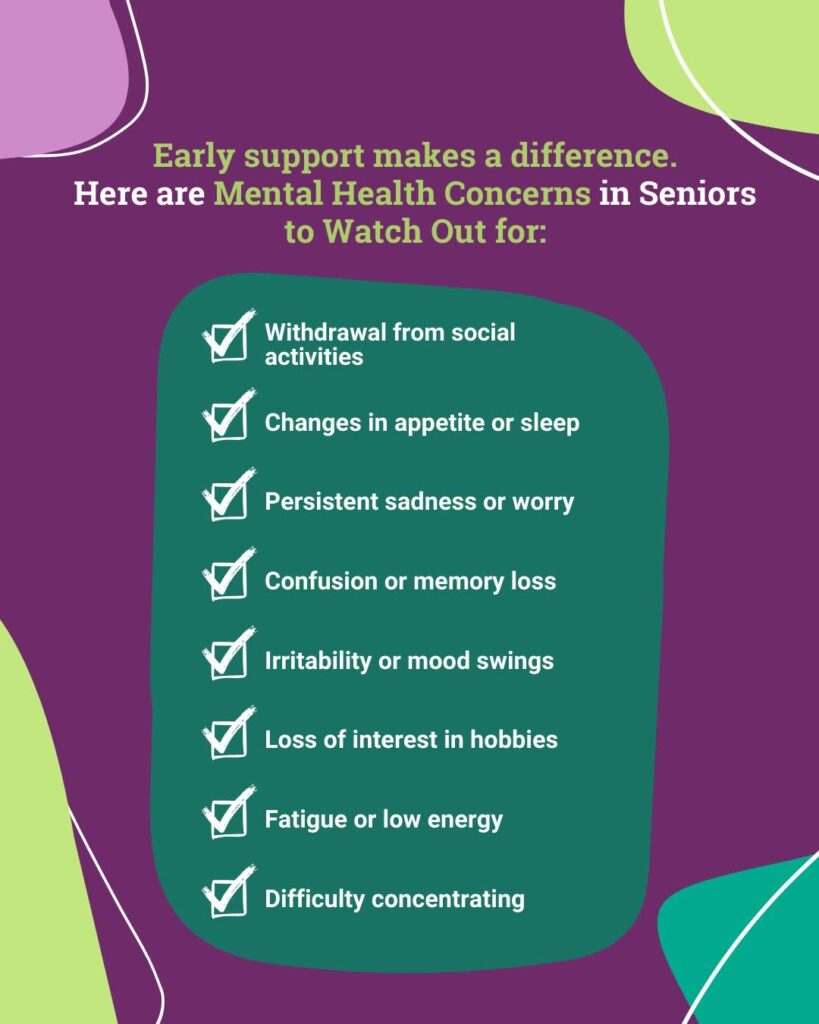
- Pulling away from friends, church, clubs, or hobbies they used to enjoy
- Spending most days alone with little outside contact
- Seeming withdrawn, anxious, or unusually irritable
One sign on its own doesn’t always mean your loved one can’t live alone. A pattern of several signs, or a steady decline over a few months, is a strong reason to take a closer look and start planning.
What to Do with Elderly Parents Who Can’t Take Care of Themselves
When an elderly parent can no longer safely manage everything on their own, the first step is to understand exactly where they need help. From there, talk openly with your parents and their doctor about their needs, abilities, and preferences before deciding how much support to put in place.
You do not have to figure everything out at once. Working through these five steps can make the process more manageable while giving your loved one a voice in decisions that directly affect their daily life. The goal is to provide enough support to keep them safe without taking away more independence than necessary.
Step 1: Assess What They Actually Need Help With
“Mom needs care” is a starting point, but it is not specific enough to build a practical care plan. Start by observing what has changed and writing down the tasks your loved one is having trouble managing safely or consistently.
Go through each area one at a time: bathing, dressing, meals, medications, mobility, toileting, transportation, housekeeping, and companionship. Look for both the tasks they can no longer manage and the ones they can still handle independently. You may find that your parents only need a few hours of help each week with meals, errands, or household tasks. Or you may realize they need someone nearby for much of the day.
A clear picture of what your loved one can and cannot do makes the conversations with your parents, doctor, and potential caregivers much easier. It also helps you choose the least amount of support needed to keep them safe and comfortable.
Step 2: Talk With Your Parent
Your loved one should be part of the decision from the beginning. Choose a calm, private time to talk, and focus on your concern for their safety, comfort, and quality of life rather than listing everything they can no longer do.
Ask what feels most difficult right now, where they feel they need help, and what kind of support they would be comfortable accepting. Give them time to express their concerns, even if they are hesitant about receiving care. The National Institute on Aging encourages families to discuss concerns openly with older adults and incorporate their preferences into care decisions. Including your parents in the conversation can help preserve their dignity, independence, and sense of control as their needs change.
Step 3: Talk With Their Healthcare Provider
Schedule an appointment with your loved one’s doctor, particularly if you have noticed sudden confusion, significant changes in mobility, repeated falls, unexplained weight loss, worsening memory, or a sudden loss of abilities they handled easily just a few months ago.
These changes can have many possible causes, and some may be treatable. A healthcare professional can evaluate what is happening, review medications and other potential factors, and help determine what kind of support your loved one may need. Rather than assuming these changes are simply a normal part of aging, bring your concerns to their doctor and use the evaluation to guide the next steps.
Step 4: Decide Whether Help Can Be Provided at Home
For many families, the next question is whether their loved one can stay at home with the right support in place. Options that can make that possible include:
- Family caregiving, shared among relatives when possible
- Professional in-home care for personal care, meals, and household tasks
- Respite care to give family caregivers regular breaks
- Transportation help for appointments and errands
- Meal delivery services
- Adult day programs
- Home modifications, such as grab bars, better lighting, and removing trip hazards
- Local resources through the Area Agency on Aging of Broward County
Step 5: Consider Whether More Intensive Care Is Needed
Care needs vary widely, and they often change over time. Depending on what your loved one needs, the right level of support might include:
- Part-time home care, such as a few hours a day or a few days a week
- Full-time home care during the day
- Overnight care
- 24-hour or live-in care
- Assisted living
- Skilled nursing care
Needing help does not automatically mean your loved one has to move into a facility. Many seniors who can no longer manage on their own continue living safely at home with the right combination of family involvement and professional support.
Can an Elderly Person Stay at Home If They Cannot Take Care of Themselves?
Yes, in many situations an elderly person who can no longer care for themselves can stay at home safely, as long as the right support is in place. In fact, a great deal of long-term care in the United States is provided at home by family members, friends, neighbors, and professional caregivers.
Whether home is the right setting for your loved one depends on a few important questions:
- Which tasks do they need help with, and how often?
- Can they move around the house safely, or are they at high risk of falling?
- How is their memory and judgment, and can they recognize danger?
- How complex are their medication needs?
- Is someone available to check in or provide supervision on a regular basis?
- Are professional caregivers available for the hours they need?
- Can the home be made safer with changes like grab bars, ramps, or a first-floor bedroom?
- Is your loved one willing to accept help?
If most of your answers are “yes, with the right help,” staying at home may still be a realistic option. For many families in Weston, the solution is a combination of family involvement and professional care. Relatives may share visits and responsibilities, while a professional caregiver provides regular help with personal care, meals, household tasks, and the daily routine. This kind of support can help an older adult remain at home while giving family members greater confidence that their loved one is safe and supported.
When Should an Elderly Person Have a Caregiver?
An elderly person should have a caregiver once they need regular, recurring help with daily tasks that family members can’t consistently cover. You don’t need to wait for a diagnosis or a doctor’s order. Home care may be a good fit when your loved one needs ongoing assistance with:
- Bathing, dressing, and grooming
- Using the toilet
- Eating
- Moving around the house or transferring from bed to chair
- Meal planning and preparation
- Medication reminders
- Light housekeeping and laundry
- Transportation to appointments and errands
- Companionship and conversation
- Safety supervision, especially for loved ones with memory loss or a history of falls
Many families start with hourly home care for the tasks that feel hardest, then add more hours as needs grow. Starting early, while your loved one can still help shape their own routine and get comfortable with a caregiver, usually makes the transition much smoother than waiting until a crisis forces a quick decision.
What If an Elderly Parent Refuses Help?
It is very common for a parent to push back at first, and that resistance usually comes from fear rather than stubbornness. Understanding where it comes from makes it much easier to respond with patience.
Why Older Adults Resist Help
- Fear of losing their independence or their home
- Embarrassment about needing help with personal tasks
- Worry about being a burden on their children
- Not recognizing, or not wanting to admit, that their abilities have changed
- A bad experience with a caregiver or facility in the past
- Wanting to stay in control of their own life and routine
Gentle Ways to Move Forward
- Start with one small task: Offering help with groceries or housekeeping often feels less personal than help with bathing.
- Focus on safety, not shortcomings: “I’d feel better knowing someone is here after your knee surgery” lands much more softly than “You can’t do this anymore.”
- Ask what they would accept: Let your loved one tell you which kind of help sounds reasonable to them.
- Let them help choose the caregiver: Meeting the caregiver beforehand and having a say in the match restores a sense of control.
- Start with a few hours: A short weekly visit gives your loved one time to build trust before more support is added.
- Increase support gradually: As comfort grows and needs change, it becomes easier to add hours or services.
If your loved one has memory loss and can no longer recognize safety risks, conversations may need to look different. Their doctor or a dementia care professional can help your family find the right approach.
Home Care vs. Assisted Living vs. Nursing Home: Which Is Right?
The best choice depends on your loved one’s health, how much help they need with daily activities, their finances, and their personal preferences.
| Care Option | May Be Appropriate When |
|---|---|
| Home care | Your loved one wants to stay at home but needs help with daily activities. |
| Family caregiving | Family members can safely and consistently provide the support needed. |
| Respite care | A family caregiver needs temporary relief. |
| Assisted living | Your loved one needs regular support and would benefit from a residential community setting. |
| Skilled nursing | Your loved one has significant medical or nursing needs that require a higher level of clinical care. |
These options can also work together. Some families use respite care to support a family caregiver, while others bring a private caregiver into an assisted living community for extra one-on-one attention. Our detailed comparison of in-home care vs. assisted living explores these differences to help families make a more informed decision.
Senior Care Resources for Families in Weston and Broward County
Families in Weston, Davie, Pembroke Pines, Hollywood, Fort Lauderdale, and surrounding Broward County communities have access to local resources that can help them explore care options.
One important resource is the Area Agency on Aging of Broward County, which operates the local Aging and Disability Resource Center (ADRC). Its information and referral services help families locate senior programs, caregiver assistance, nutrition services, long-term care resources, and other community support.
- Broward County ADRC Helpline: 954-745-9779
- Statewide Elder Helpline: 1-800-963-5337
The agency’s information and referral staff can help families explore available publicly funded and private-pay services. Eligibility, availability, and costs vary by program.
For families managing care from another city or state, these resources can be particularly helpful when arranging support alongside visits from relatives and professional caregivers.
What Should You Do Right Now If Your Elderly Parent Needs Help?
If your elderly parents can no longer care for themselves, these eight steps will help you move from worry to a workable plan:
- Identify the specific tasks they can no longer do on their own.
- Determine whether the change was sudden or gradual.
- Contact their healthcare provider about any concerning changes and seek emergency care for sudden or severe symptoms.
- Talk with your parents about what kind of help they are willing to accept.
- Ask family members what they can realistically provide each week.
- Research home care agencies and community resources in your area.
- Decide whether part-time, overnight, or 24-hour assistance is needed.
- Reassess their needs regularly as their health and abilities change.

Compassionate Home Care for Seniors in Weston and Broward County
A Place At Home – Weston helps families in Weston, Davie, Pembroke Pines, Hollywood, Fort Lauderdale, and surrounding Broward County communities arrange personalized in-home support.
Whether your loved one needs assistance with bathing and dressing, meal preparation, companionship, mobility, or a more extensive caregiving schedule, our team can help you explore options that fit their daily needs and preferences.
We begin with a free in-home assessment to better understand your loved one’s routine, care requirements, and goals. From there, we work with your family to develop a personalized care plan and determine an appropriate caregiving arrangement.
Concerned About an Aging Parent Living Alone?
You don’t have to wait for a crisis to explore home care. A conversation about your loved one’s daily needs can help you understand what support may be appropriate and what steps to take next.
Call A Place At Home – Weston at (954) 335-9284 to schedule your free in-home assessment.