What is the Safest Antibiotic for Seniors?

Safest Antibiotics for Seniors - A Place At Home

As we age, the body handles medications differently. Kidneys and liver function may slow down, chronic health conditions become more common, and many older adults take multiple medications each day. These changes can affect how antibiotics are metabolized and increase the risk of side effects or interactions. A study conducted by the National Institutes of Health shows that adults over 65 account for nearly 37% of all adverse drug reactions reported in hospitals.

In this blog, we’ll explore what makes certain antibiotics safer for older adults, factors doctors consider when prescribing, and tips for ensuring effective and safe treatment at home. We’ll also highlight how senior home care services can support medication routines, monitor for side effects, and provide peace of mind for families caring for aging loved ones.

Key Takeaways

  • Seniors are more sensitive to antibiotics due to changes in kidney and liver function.
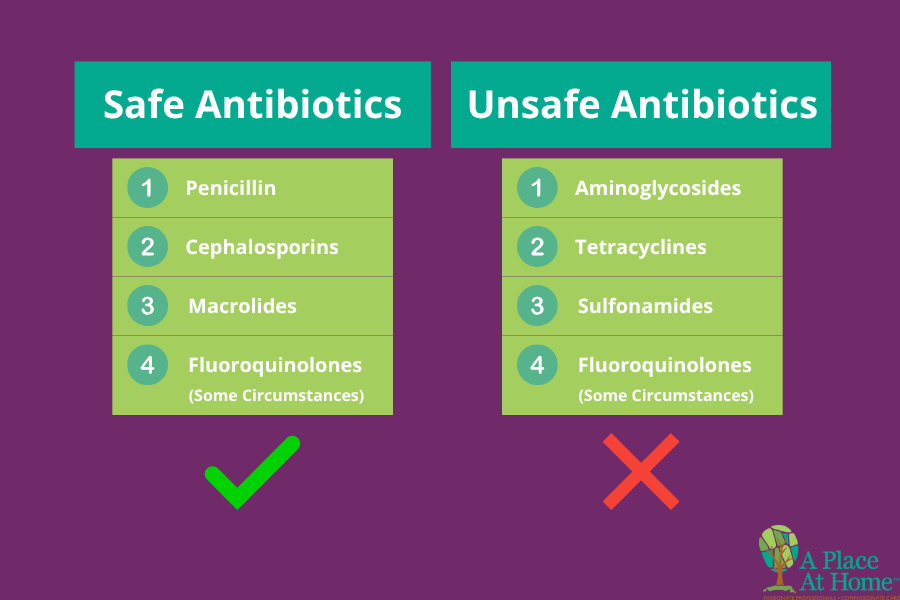
  • Penicillins, certain cephalosporins, and carefully monitored macrolides are often safer choices.
  • Fluoroquinolones, aminoglycosides, sulfonamides, and older tetracyclines tend to carry more risks.
  • Drug interactions are common in older adults, so medication lists should always be reviewed.
  • Immediate medical care is needed for allergic reactions, severe side effects, or worsening symptoms.

What Makes Antibiotics Safe for Older Adults

Choosing the safest antibiotic for a senior involves more than targeting the infection. Doctors evaluate several important factors to ensure the medication is effective while reducing the risk of complications.

Kidney and Liver Function

These organs break down and remove medications from the body. Because kidney and liver function often decline with age, some antibiotics can accumulate and cause toxicity. Providers may adjust the dosage or select drugs that are easier for the body to process. Many families rely on in-home care for seniors to help monitor symptoms, report concerns to healthcare providers, and ensure antibiotics are taken correctly.

Medication Interactions

Many older adults take medications for heart disease, diabetes, blood pressure, or pain management. Some antibiotics can interfere with these drugs, increasing side effects or weakening their effectiveness. Doctors look for antibiotics with minimal interaction risks to keep treatment safe. Senior caregivers can also help keep medication lists updated and coordinate with doctors or pharmacists, which reduces the risk of interactions for seniors receiving care at home.

Allergies and Sensitivities

A history of allergic reactions or medication sensitivities plays a major role in antibiotic choice. Seniors can react differently over time, so providers carefully review past reactions before prescribing.

Risk of Side Effects

Certain antibiotics are more likely to cause confusion, digestive issues, C. diff infections, nerve problems, or heart rhythm changes in older adults. Understanding these risks helps clinicians avoid medications with higher complication rates.

Potential for Antibiotic Resistance

Using the wrong antibiotic or not taking it as prescribed can contribute to antibiotic-resistant bacteria. Doctors often conduct tests or consider the most likely bacteria involved to ensure the chosen antibiotic is appropriate from the start.

What Antibiotics Should Seniors Avoid - A Place At Home

Antibiotics Commonly Considered Safe for Seniors

While every senior’s health situation is unique, some antibiotics are generally considered safer and better-tolerated in older adults. These medications tend to have fewer severe side effects, lower risks of interactions, and predictable dosing when kidney or liver function is considered.

Penicillins (Such as Amoxicillin)

Penicillins are often a first choice due to their relatively low side-effect profile. They’re effective for many common infections, including respiratory and ear infections, and are usually easy for seniors to tolerate. Allergies are the main concern, but for those without sensitivities, penicillins remain a dependable option.

Cephalosporins

Cephalosporins are another class frequently used for seniors. These antibiotics are typically gentle on the system and work well for skin infections, urinary tract infections, pneumonia, and more. Like penicillins, they carry a low risk of severe side effects, making them a suitable choice for many older adults.

Macrolides (Such as Azithromycin or Clarithromycin)

These mediations can also be safe when used appropriately. They help treat respiratory infections and certain bacterial illnesses. However, doctors tend to use caution when prescribing them to seniors with heart conditions, as some macrolides may affect heart rhythm. With proper monitoring, they can still be effective and safe options.

Fluoroquinolones (Only If Necessary)

On the other hand, certain antibiotics are best avoided in older adults unless necessary. A key example is fluoroquinolones, a class of antibiotics such as levofloxacin that is known to cause tendon issues, nerve damage, and potential effects on blood sugar and mental status. Because these risks increase with age, fluoroquinolones are typically reserved for situations where other antibiotics are ineffective or inappropriate. Choosing the safest antibiotic comes down to selecting a medication that treats the infection effectively while minimizing risks. By leaning toward well-tolerated antibiotic classes and avoiding higher-risk options, seniors can receive the care they need with greater peace of mind.

Choosing the safest antibiotic comes down to selecting a medication that treats the infection effectively while minimizing risks. By leaning toward well-tolerated antibiotic classes and avoiding higher-risk options, seniors can receive the care they need with greater peace of mind.

Unsafe Antibiotics vs. Safe Antibiotics - A Place At Home

Antibiotics Older Adults Should Use with Caution or Avoid

While antibiotics play a crucial role in modern medicine, some have been linked to concerning side effects that can impact overall well-being. These side effects can range from mild issues like digestive discomfort and allergic reactions to more severe complications such as antibiotic resistance, gut microbiome imbalance, and long-term health risks.

In some cases, certain antibiotics have been associated with serious conditions, including tendon damage, nerve issues, and adverse interactions with other medications. Understanding these risks is essential for making informed healthcare decisions and ensuring antibiotics are used responsibly to prevent unintended health complications.

  • Fluoroquinolones such as levofloxacin, ciprofloxacin, and moxifloxacin are among the most concerning for seniors. Although effective, they carry well-documented risks, including tendon rupture, nerve damage, confusion, blood sugar disturbances, and heart rhythm issues. These side effects occur more frequently and more severely in older adults, which is why this class is often avoided unless necessary and no safer alternative exists.
  • Aminoglycosides (e.g., gentamicin, tobramycin, amikacin) are another class used cautiously in seniors. They can be hard on the kidneys and may cause permanent hearing loss, two areas where age-related decline can make older adults more vulnerable.
  • Tetracyclines, especially older forms like tetracycline itself, can also be problematic. While some newer options, such as doxycycline, are generally well-tolerated, older versions may cause kidney strain or interact with medications commonly prescribed to seniors.
  • Macrolides are commonly prescribed to treat bacterial infections throughout the body and are often used as an alternative for patients who are allergic to penicillin. However, these antibiotics can pose unique risks for older adults. Seniors may be more susceptible to serious side effects such as ototoxicity, neurotoxicity, and gastrointestinal intolerance. In 2013, the FDA issued a warning about azithromycin after identifying a rare but increased risk of dangerous heart arrhythmias, making careful monitoring essential when prescribing macrolides to elderly patients.
  • Sulfonamides are another class of broad-spectrum antibiotics commonly used to treat bacterial infections such as bronchitis or sinusitis. They have been known to cause serious allergic reactions in some people, including difficulty breathing and rashes. Furthermore, sulfonamides can interact with other medications and can cause kidney damage if taken over long periods, so it’s important to use these antibiotics only when necessary.
  • Cephalosporins are generally considered safe for many adults, but seniors may face increased risks with this class of antibiotics. Age-related declines in kidney function can make it harder for older adults to eliminate the drug, raising the potential for toxicity. Additionally, cephalosporins can sometimes trigger allergic reactions or gastrointestinal issues, which may be more severe in seniors. For these reasons, doctors often use caution and carefully monitor older patients when prescribing cephalosporins, opting for alternatives when safer options are available.

Avoiding these higher-risk antibiotics doesn’t mean seniors lack treatment options. Instead, it emphasizes the importance of choosing medications that balance effectiveness with safety. By working closely with a healthcare provider, older adults can receive antibiotics that address infections effectively while minimizing preventable risks.

Tips for Using Antibiotics Safely at Home

Safe antibiotic use is essential for preventing complications. Families who use elderly home care services often benefit from added support with medication reminders, monitoring for changes in health, and helping seniors stay on schedule with their treatment plan. This extra oversight reduces the chances of missed doses or preventable complications.

Seniors and caregivers can take several steps:

  • Follow the full prescribed course even if symptoms improve
  • Share a complete list of medications and supplements with the doctor
  • Take antibiotics exactly as directed (with or without food, at the right times)
  • Watch for side effects such as rashes, digestive issues, confusion, or changes in heart rhythm
  • Avoid alcohol or grapefruit if the medication instructions warn against it
  • Ask about dose adjustments if kidney or liver function is reduced

These small precautions can make treatment safer and more effective.

Medication Management and Senior Home Care - A Place At Home

Warning Signs of Antibiotic Complications in Seniors

While most antibiotic treatments are safe when monitored properly, seniors should be aware of warning signs that require urgent medical care. Hospitalizations due to antibiotic-related complications are highest among adults over 65, accounting for nearly 40% of cases. Severe allergic reactions, such as swelling of the face or throat, difficulty breathing, or widespread hives, demand immediate attention, as these can be life-threatening.

Signs of kidney or liver complications are also critical to watch for. Symptoms like decreased urine output, dark-colored urine, jaundice (yellowing of the skin or eyes), or unusual fatigue may indicate that the body is struggling to process the medication and should be evaluated promptly.

Finally, if symptoms do not improve or worsen during treatment, it could mean the infection is resistant to the prescribed antibiotic or that complications have developed. Seniors should contact their healthcare provider right away in these cases to adjust treatment and prevent serious health risks.

Read: What are the Most Common Causes of Dizziness in Seniors?

Senior Home Care from A Place At Home – North Tucson

Choosing the right antibiotic is a critical step in protecting seniors’ health. Older adults face unique risks due to changes in kidney and liver function, the presence of chronic conditions, and the potential for drug interactions. By understanding which antibiotics are safer, avoiding higher-risk options, and following best practices for use, seniors and their caregivers can reduce complications and support a faster, safer recovery from infection.

In addition to careful medication management, having professional support at home can make a significant difference. A Place at Home – North Tucson provides compassionate in-home care for seniors, including medication reminders, monitoring for side effects, and assistance with daily activities. Partnering with a trusted home care provider helps ensure that seniors receive the attention and support they need while maintaining their independence and overall well-being.


Frequently Asked Questions (FAQs)

Why are seniors more vulnerable to antibiotic side effects?

As we age, kidney and liver function can decline, affecting how the body metabolizes medications. Seniors are also more likely to take multiple medications and have chronic health conditions, which increases the risk of drug interactions and side effects.

Which antibiotics are generally considered safer for older adults?

Penicillins (like amoxicillin), certain cephalosporins, and macrolides (used with caution) are often safer choices. These antibiotics typically have fewer severe side effects and lower risks of interactions when prescribed appropriately.

Are there antibiotics seniors should avoid?

Yes. Fluoroquinolones, aminoglycosides, older tetracyclines, and some macrolides carry higher risks for seniors, including tendon damage, nerve issues, kidney problems, and heart rhythm disturbances. Sulfonamides and cephalosporins may also require caution depending on health status.

How can seniors take antibiotics safely at home?

Always follow the full prescribed course, communicate all medications and supplements to your doctor, monitor for side effects, and discuss dose adjustments if kidney or liver function is reduced. These steps help minimize risks and ensure treatment effectiveness.

When should seniors seek immediate medical attention while on antibiotics?

Seek urgent care if severe allergic reactions occur (e.g., swelling, difficulty breathing), if there are signs of kidney or liver complications (e.g., dark urine, jaundice, extreme fatigue), or if infection symptoms do not improve or worsen during treatment.

What antibiotics cause the most side effects in seniors?

Several antibiotics are more likely to cause side effects in older adults due to changes in kidney and liver function, multiple medications, and increased sensitivity. The highest-risk antibiotics for seniors include fluoroquinolones (such as ciprofloxacin and levofloxacin), aminoglycosides (including gentamicin and tobramycin), sulfonamides, and older tetracyclines. These medications can lead to tendon problems, nerve damage, kidney strain, blood sugar disturbances, heart rhythm issues, and severe allergic reactions. Because of these risks, they are usually avoided or used only when safer alternatives are not effective.

How to Increase Appetite in Seniors

How to Increase Appetite in Seniors - A Place At Home

It’s common for older adults to experience a loss of appetite, which can make maintaining proper nutrition challenging. Physiological changes, lifestyle factors, and certain medical conditions often reduce their desire to eat. Proper nutrition is essential for seniors, as balanced meals and adequate fluids help maintain strength, energy, and overall health.

A poor appetite in seniors can have serious consequences. According to the National Institute of Health (NIH), up to 15–30% of older adults experience significant appetite loss, which can lead to malnutrition and increased hospitalization risk. It often leads to unintentional weight loss, fatigue, and malnutrition, which can impair both physical and cognitive function. These issues increase the risk of falls, weaken the immune system, and raise the likelihood of hospitalization, highlighting the importance of early intervention and support. In this guide, we explain how caregivers and family members can help increase appetite in seniors and support their well-being.

Why Seniors Lose Their Appetite

As individuals grow older, a combination of physical, emotional, and medical factors can reduce their desire to eat. Changes in taste and smell, along with a slower metabolism and lower activity levels, can make meals less appealing. Emotional challenges, including loneliness, depression, or social isolation, may further decrease interest in food. Additionally, dental issues, chronic health conditions, and certain medications can make eating uncomfortable or difficult. By recognizing these factors, caregivers and family members can develop targeted strategies to help seniors maintain proper nutrition and a healthy appetite.

Medical Causes

  • Chronic illnesses: Conditions such as dementia, Parkinson’s disease, cancer, diabetes, and depression can affect hunger and food enjoyment.
  • Medications: Certain prescriptions may alter taste, cause nausea, or reduce appetite.

Lifestyle and Physiological Causes

  • Changes in metabolism and activity: Seniors often burn fewer calories due to slower metabolism and reduced physical activity.
  • Dental and oral health issues: Missing teeth, gum disease, or poorly fitting dentures can make chewing difficult.
  • Sensory changes: A diminished sense of taste or smell may make food seem bland.

Emotional and Social Causes

  • Isolation or loneliness: Seniors who eat alone may skip meals.
  • Stress or grief: Emotional challenges can reduce interest in eating.

Studies show that over 40% of adults over age 65 experience changes in taste or smell, contributing to reduced food enjoyment. Additionally, nearly 30% of older adults report medication side effects such as nausea or altered taste that discourage regular eating. Recognizing these factors is the first step toward addressing appetite loss. While a gradual decrease in appetite can be a normal part of aging, a sudden loss of appetite should be taken seriously. Caregivers should encourage the senior to see a doctor, as underlying medical conditions, such as cancer, dementia, or hypothyroidism, may be the cause and require prompt treatment.

Read More: What Are the Most Common Causes of Dizziness in Seniors?

Signs a Senior May Be Struggling with Appetite

Caregivers should be alert to early warning signs that a senior’s appetite may be declining. These can include unexplained weight loss or sudden changes in body composition, eating smaller or fewer meals than usual, difficulty chewing or swallowing food due to dental or health issues, and a loss of interest in meals, particularly during social dining occasions.

A reduced appetite can lead to malnutrition, fatigue, and weakness, impacting both physical and cognitive health. Seniors who skip meals or withdraw from social eating may experience further declines in nutrition and overall well-being. Recognizing these signs early allows caregivers and family members to intervene with targeted strategies, helping to improve appetite, maintain energy levels, and support overall quality of life.

Senior Appetite Tips to Increase - A Place At Home

Practical Tips to Increase Appetite in the Elderly

Helping older adults maintain a healthy appetite requires a combination of dietary, social, and lifestyle strategies. Caregivers can encourage eating by:

  1. Offering smaller, more frequent meals throughout the day to prevent overwhelming portions.
  2. Making meals visually appealing with colorful fruits and vegetables can stimulate interest in food.
  3. Enhancing flavor naturally using herbs, spices, or mild seasonings, especially if taste perception has declined.
  4. Establishing a consistent mealtime routine so seniors know when to expect meals, which can help regulate hunger cues.
  5. Incorporating social interactions during meals, such as family dinners or caregiver companionship, to make eating a more enjoyable experience.
  6. Providing variety in textures and foods to engage the senses and prevent mealtime boredom.

By implementing these strategies, caregivers and family members can support seniors in eating more regularly, improving nutrition, and maintaining energy levels and overall well-being.

Foods That Help Seniors Eat More and Stay Nourished

Ensuring seniors get the nutrients they need can be challenging when their appetite is low. Choosing foods that are both appealing and easy to eat can make a big difference.

Food Benefit How to Serve
Avocado High-calorie, nutrient-dense Mash, add to smoothies, or spread on toast
Nut butters Protein and healthy fats Spread on bread or mix into oatmeal
Yogurt Soft, easy-to-chew protein Add fruit or honey
Fish Omega-3s and protein Bake or steam for softness
Soups & broths Hydration and nutrients Include vegetables, beans, or shredded meat
Comfort foods Familiar and easy to digest Serve mashed potatoes, oatmeal, or stews

How Caregivers and Families Can Support Better Eating Habits

Caregivers and family members can take several steps to help seniors maintain a healthy appetite and proper nutrition:

  • Encourage frequent, nutrient-rich snacks: Offer easy-to-eat options like carrot sticks, nuts, raisins, or other finger foods to boost calorie and nutrient intake.
  • Serve bite-sized foods for easier eating: For seniors who have difficulty using utensils, try cheese cubes, cocktail sausages, or peanut butter on toast.
  • Offer drinkable meals: Smoothies and shakes are excellent alternatives to solid foods, delivering essential vitamins, minerals, and protein.
  • Make mealtimes social and enjoyable: Join the seniors during meals to create a pleasant atmosphere that encourages eating.
  • Incorporate light exercise: Short walks, gentle stretching, or other physical activity can help stimulate appetite and support overall health.

By combining these strategies, caregivers and family members can help seniors eat more consistently, meet their nutritional needs, and maintain energy, strength, and quality of life.

When Loss of Appetite in the Elderly Becomes a Serious Concern

A persistent loss of appetite in older adults can lead to serious health complications, including malnutrition, fatigue, and a weakened immune system. The Alliance for Aging Research reports that malnutrition contributes to approximately $51 billion in annual U.S. healthcare costs related to older adult hospitalizations and long-term care.

Caregivers should be aware of specific risks, such as:

  • Vitamin and mineral deficiencies: Low vitamin D can weaken bones.
  • Protein deficiency: Insufficient protein intake can lead to muscle loss and general weakness.
  • Underlying health conditions: Sudden or prolonged appetite loss may indicate illnesses such as cancer, dementia, or hypothyroidism.

Seniors experiencing ongoing loss of appetite, especially when accompanied by weight loss, fatigue, or other symptoms, should consult a physician. Early medical intervention helps identify underlying issues and ensures appropriate treatment or dietary adjustments, supporting better overall health and quality of life.

Get Professional Home Care Support Today

Meal Preparation Support - A Place At Home

For families with busy schedules, professional elderly home care ensures seniors receive nutritious meals and avoid the health risks of decreased appetite. A Place At Home – North Tucson provides compassionate, non-medical support tailored to each senior’s needs.

Caregivers shop for fresh groceries and prepare healthy meals, serving smaller, more frequent portions and offering hydrating beverages throughout the day. Companionship is key—caregivers join seniors at mealtimes, engage in hobbies, hold conversations, and play games, supporting both appetite and emotional well-being.

Flexible care options include occasional respite, specialized Alzheimer’s care, post-surgical support, and live-in or 24-hour care. Serving North Tucson, AZ, and the nearby areas in Pima County, A Place At Home delivers personalized in-home care to help seniors maintain nutrition, energy, and quality of life. Schedule a free in-home consultation to create a tailored care plan today.


Frequently Asked Questions (FAQs)

Elderly appetite loss is treated by addressing underlying medical issues, improving meal appeal, and establishing regular eating routines. Caregivers can offer smaller, nutrient-rich meals, social mealtimes, and light exercise to stimulate hunger. Medical evaluation is important if appetite loss is sudden or severe.

If an elderly person doesn’t want to eat, offer small, easy-to-chew meals, nutrient-dense snacks, and flavorful foods to make eating more appealing. Incorporate social meals, smoothies, or shakes, and encourage gentle activity to naturally boost appetite.

Seniors can gain weight by eating small, frequent, calorie- and protein-rich meals, including healthy fats like avocado and nut butters. Drinkable meals such as smoothies, fortified shakes, and soups can also help increase caloric intake without overwhelming the appetite.

The main causes of eating less in old age include changes in taste and smell, slower metabolism, dental problems, chronic health conditions, medications, and emotional factors such as loneliness or depression. These factors can reduce hunger and make meals less appealing.