
Are you or a loved one looking to remain safe, independent, and happy at home as you age? Many older adults hope to age in place, staying in the comfort of their own homes while remaining close to family, friends, and the communities they love. While this choice offers familiarity and comfort, aging can also bring challenges that require additional support. Professional in-home care helps seniors overcome these obstacles, enhancing safety, independence, and overall well-being.
A 2024 AARP survey found that 75 percent of adults aged 50 and older want to stay in their current homes as they grow older. Their reasons vary, but most center on preserving quality of life through independence, community ties, and a sense of familiarity.
Living at home allows seniors to maintain greater control over their daily routines. The family home is often filled with cherished mementos and meaningful memories. These emotional connections strongly influence many older adults to remain in an environment that feels secure, comforting, and uniquely their own.
How Home Care Supports Physical Health
Aging can bring mobility limitations, chronic conditions, and cognitive changes. Professional caregivers help seniors manage these challenges and maintain their physical health:
- Mobility support: Assistance with walking, transfers, and using canes or other aids reduces fall risks.
- Home safety improvements: Simple modifications like grab bars, better lighting, and non-slip mats create a secure environment.
- Structured activity: Daily exercise routines help maintain strength, flexibility, and overall well-being.
- Recovery support: Caregivers handle chores, meal prep, and personal care so seniors can focus on healing after surgery or illness.
- Hygiene assistance: Help with bathing, grooming, and incontinence reduces infections and promotes dignity.
Enhancing Emotional Well-Being and Social Connection
Emotional health is just as important as physical health. Loneliness and isolation can affect mood, cognition, and overall quality of life. According to the National Institutes of Health (NIH), nearly one-quarter of adults aged 65+ experience social isolation, which increases the risk of depression and cognitive decline.
In-home care addresses this by:
- Providing reliable companionship through conversation, hobbies, and games.
- Maintaining structured routines to support cognitive function and emotional stability.
- Encouraging family and community connections, reducing stress, and boosting confidence.
- Offering peace of mind, knowing support is always nearby.

Promoting Independence Through Home Care
One of the most valuable aspects of in-home care is helping seniors remain independent longer:
- Household assistance: Grocery shopping, meal preparation, and light housekeeping frees seniors to focus on personal activities.
- Nutrition support: Balanced meals maintain energy, cognitive function, and overall health.
- Encouragement and engagement: Social interaction and emotional support motivate seniors to manage daily tasks and stay active.
By supporting both physical and emotional needs, caregivers help seniors maintain confidence and autonomy.
Safety, Risk Reduction, and Security Benefits of Home Care
Falls and medication errors are major risks for older adults. According to the Centers for Disease Control (CDC), one in four seniors experiences a fall each year, underscoring the importance of reliable support. Home care provided by professionals helps prevent these dangers:
- Fall prevention: Caregivers respond quickly to falls and help seniors move safely around the home.
- Medication management: Reminders and supervision ensure medications are taken correctly, avoiding harmful errors.
- Peace of mind: Knowing a trained professional is nearby reduces anxiety and allows seniors to stay active without fear.
Supporting Families Alongside Seniors
Caring for an aging loved one can be overwhelming. Professional in-home care eases this burden while keeping families actively involved:
- Provides emotional support for both seniors and family members.
- Reduces caregiver stress and prevents burnout.
- Strengthens the senior’s overall support system, improving well-being for everyone involved.
How to Choose the Best Home Care Agency for Your Loved One
Finding a trusted home care provider is essential. Families should ask:
- Is the agency licensed, bonded, and insured?
- How are caregivers screened and trained?
- Are specialized services available for Alzheimer’s, dementia, or Parkinson’s care?
- How are care plans developed, updated, and communicated?
Choosing a reputable home care agency ensures seniors receive safe, personalized, and effective care.
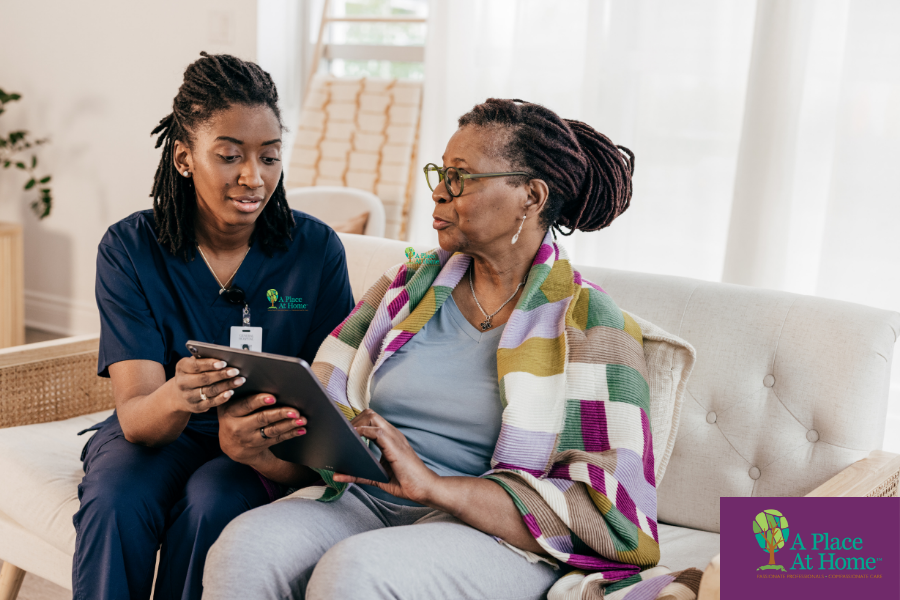
Comprehensive Senior Home Care from A Place At Home
At A Place At Home – North Tucson, we focus on improving seniors’ independence, safety, and emotional well-being. Every senior home care plan is customized to provide the exact level of support an older adult needs to age in place successfully. Care options range from 24-hour and live-in care to specialized services for individuals living with Alzheimer’s, dementia, Parkinson’s disease, and other conditions.
When you seek a better quality of life for your aging loved one, choose A Place at Home – North Tucson. We serve Tucson, Oro Valley, Marana, and Catalina Foothills, AZ, seniors with dedication. Schedule a complimentary in-home consultation today to help us understand their care needs and develop a customized, flexible elder care plan.
FAQs About Senior Home Care
What activities improve seniors’ quality of life at home?
Daily physical activity, cognitive exercises, social engagement, balanced nutrition, and structured routines all contribute to better health and happiness.
How does in-home care prevent falls?
Caregivers assist with mobility, recommend home safety modifications, and provide supervision to minimize fall risks.
Can home care help with memory-related conditions?
Yes. Specialized caregivers support seniors with Alzheimer’s, dementia, and other cognitive challenges through structured routines, mental stimulation, and emotional support.
How often should seniors receive professional home care?
Care frequency depends on individual needs, from a few hours per week to 24-hour or live-in care for seniors requiring continuous support.