Recognizing that a parent or loved one needs help in their daily lives is never easy. For many families in East Brunswick, it starts with a small concern such as a missed medication, a close call with a fall, or the realization that mom or dad is spending more time alone than is safe or healthy.
Whatever has brought you to this point, understanding your options is an important first step. Senior care is not one-size-fits-all, and the right choice depends on your loved one’s health, daily needs, preferences, and level of independence. This guide explores the senior care options available to families in East Brunswick and throughout Middlesex County, explaining what each type of care involves, who it may benefit, and how to find the best fit for your loved one.
When Does a Family Know It Is Time for Senior Care?

There is rarely one moment that tells a family a parent needs more help. More often, it is a gradual realization as small changes begin to add up such as missed medications, difficulty managing daily tasks, increased isolation, or concerns about safety at home.
Common signs that a senior may need additional support at home include:
- Difficulty with basic daily tasks such as bathing, dressing, or preparing meals
- Missed medications or confusion about dosing schedules
- A recent fall or multiple near-falls in the home
- Increased isolation or signs of depression and loneliness
- A diagnosis of Alzheimer’s disease, dementia, or Parkinson’s disease
- Recent discharge from a hospital or rehabilitation facility
- A family caregiver who is showing signs of burnout or exhaustion
Experiencing anything from this list is common and families throughout East Brunswick and Middlesex County must decide what to do when faced with the possibility that their senior loved ones need help. The good news is that senior care does not have to include giving up the home and routines your loved one values. Today, families have more care options than ever, including services that can provide the right level of support while helping seniors remain safely and comfortably at home.
Types of Senior Care Available in East Brunswick NJ
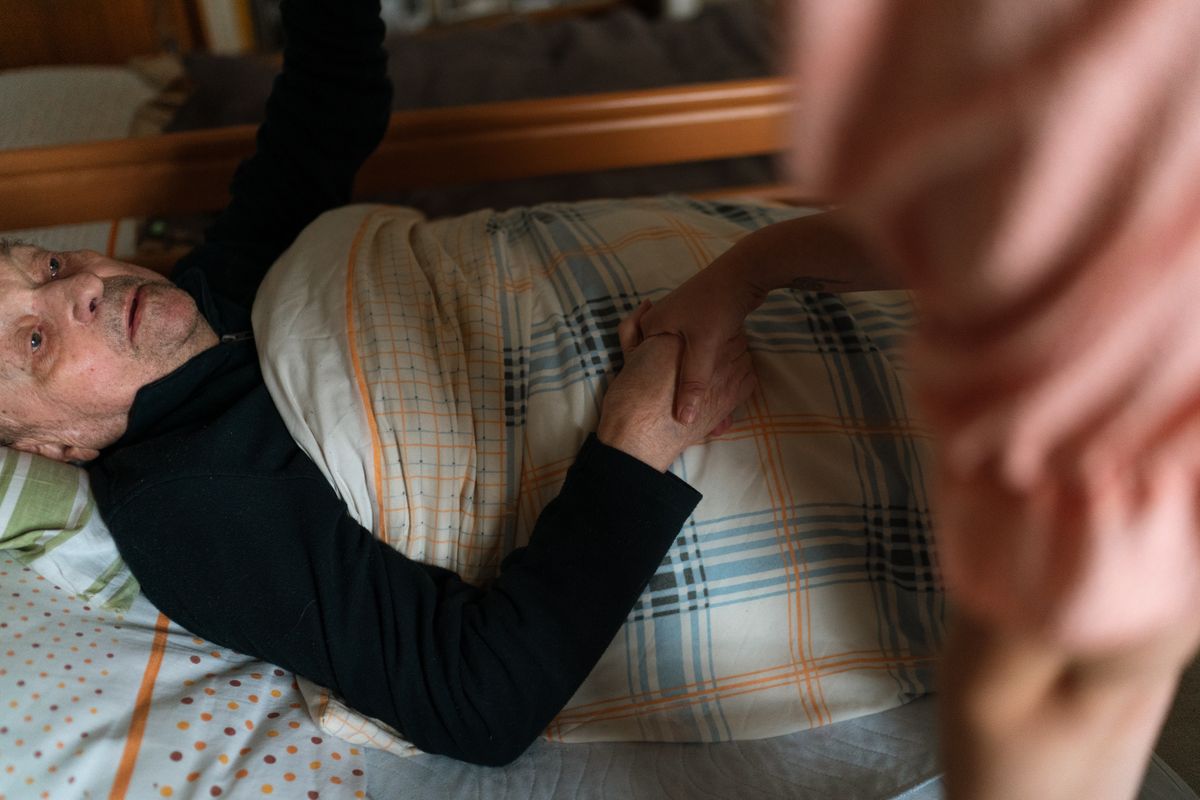
Understanding the different types of senior care available can make it easier to determine what is right for your loved one. Families in East Brunswick and throughout Middlesex County have several options, depending on the level of support, supervision, and care their loved one needs. Here are the primary senior care options to consider:
In-Home Care
In-home care, also referred to as home care or non-medical home care, provides trained caregivers who come directly to your loved one’s home to assist with activities of daily living (ADLs). This is often the preferred option for seniors who want to remain independent in the familiar environment of their homes.
In-home care typically covers personal care, companion care, dementia care, respite care, and post-surgery recovery support. It does not include medical services like nursing care or physical therapy, those fall under home health care, which is a separate category.
Home Health Care
Home health care is medically focused and prescribed by a physician after a hospitalization or health event. It involves licensed nurses, physical therapists, and occupational therapists visiting the home to provide skilled medical services. Medicare often covers short-term home health care after a qualifying hospital stay.
Assisted Living Facilities
Assisted living communities provide housing, meals, and personal care support in a residential setting. For seniors who need round-the-clock oversight or whose home is no longer safe to live in, assisted living may be appropriate. There are several assisted living communities serving the East Brunswick and Middlesex County area.
Memory Care Communities
Memory care is a specialized form of assisted living designed specifically for individuals with Alzheimer’s disease or other forms of dementia. These communities provide a structured, secure environment with trained staff and programming tailored to cognitive decline.
Adult Day Programs
Adult day programs provide supervised activities, social engagement, and some health services during daytime hours, typically while a family caregiver is at work. Middlesex County has several adult day program options for seniors who benefit from structured activities and social interaction.
In-Home Care Services in East Brunswick — What Is Available
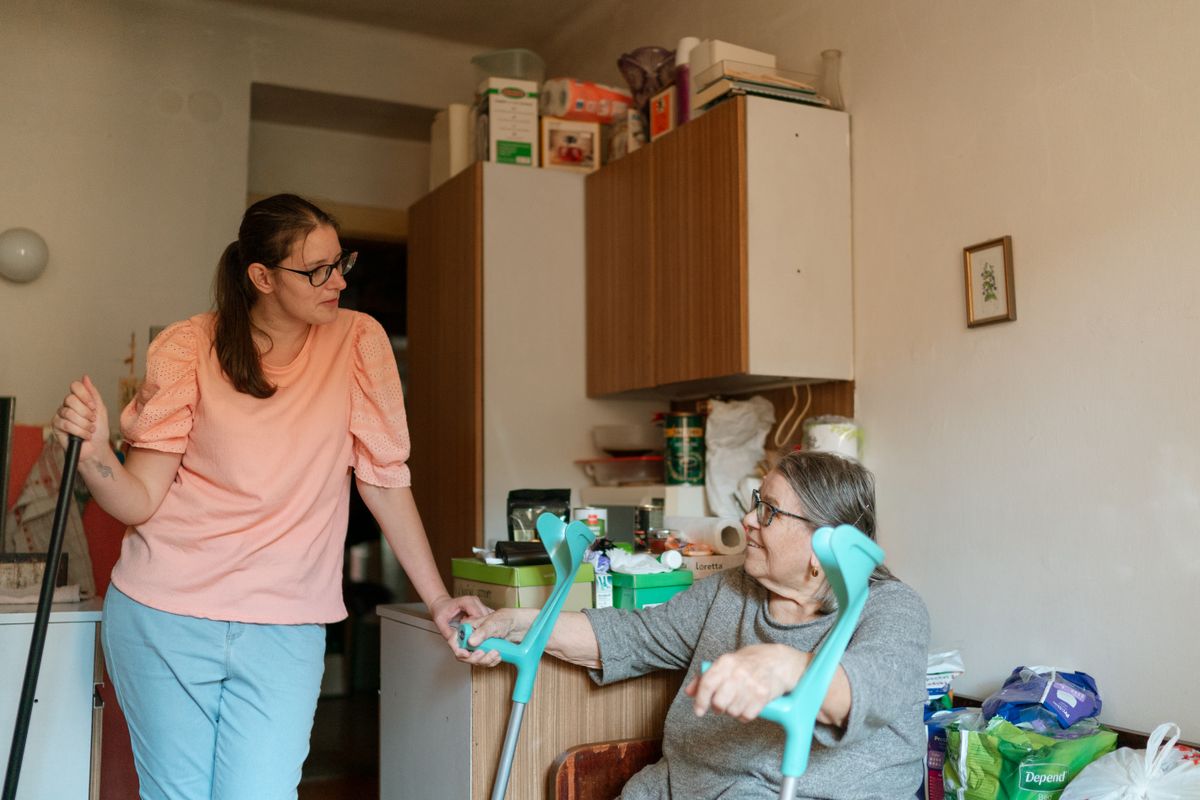
For families who want their loved one to remain at home, A Place at Home offers a range of in-home care services throughout East Brunswick and surrounding Middlesex County communities. Care can be tailored to each senior’s needs, providing support with daily activities, personal care, companionship, and other tasks while helping them maintain their independence and familiar routines at home.
Personal Care
Personal care helps with everyday physical tasks that can become more challenging with age, illness, or recovery. This includes assistance with bathing, grooming, dressing, toileting, and mobility. A personal care aide provides hands-on support with dignity and respect, helping your loved one stay clean, comfortable, and safe while maintaining as much independence as possible.
Companion Care
Companion care focuses on the social and emotional well-being of seniors who live alone or who experience loneliness and isolation. A companion caregiver provides conversation, accompanies seniors to appointments and activities, assists with light housekeeping, and ensures someone is present and engaged. Research consistently shows that social isolation is one of the most significant health risks facing seniors today, and companion care directly addresses that risk.
Dementia and Alzheimer’s Care
Caring for a loved one with dementia at home requires patience, specialized knowledge, and consistency. A Place at Home – East Brunswick provides dementia care in East Brunswick that is tailored to each individual’s stage of cognitive decline. Our caregivers are trained to manage behavioral changes, provide structured routines, ensure safety in the home, and support family members who are also navigating the emotional weight of this diagnosis.
Respite Care
Family caregivers, adult children, spouses, and other relatives who provide daily care need time to rest and recharge. Respite care provides temporary relief by having a professional caregiver step in for a few hours, a day, or longer. It is not a luxury. Caregiver burnout is real, and respite care can help families sustain their caregiving role over the long term without sacrificing their own health and well-being.
Post-Surgery and Recovery Care
When a parent is discharged from a hospital or rehabilitation facility, the first weeks at home are critical. Post-surgery care provides extra hands during this vulnerable period, helping with medication reminders, mobility support, meal preparation, and transportation to follow-up appointments. Having a caregiver present during recovery reduces the risk of re-hospitalization and gives families peace of mind.
How to Pay for Senior Care in East Brunswick NJ
The cost of senior care is often one of the first concerns families have, and it is an important part of the decision. Understanding how care can be paid for can make it easier to plan ahead and choose the right option. Here is an overview of the most common ways families pay for in-home care in New Jersey:
- Private Pay: Most in-home care is paid out of pocket by the senior or their family. Costs vary depending on the number of hours, the level of care needed, and the specific services provided.
- Long-Term Care Insurance: Many seniors have long-term care insurance policies that cover in-home care services. If your loved one has a policy, review the benefits carefully, coverage for home care is common and often underutilized.
- Veterans Benefits — Aid and Attendance: Eligible veterans and surviving spouses may qualify for the VA’s Aid and Attendance benefit, which provides financial assistance specifically for home care costs. This is one of the most underutilized benefits available to New Jersey veterans.
- NJ Medicaid — JACC Program: The New Jersey JACC (Jersey Assistance for Community Caregiving) program provides Medicaid-funded home care services for income-eligible seniors who would otherwise require nursing home placement. A care coordinator can help determine eligibility.
- Medicare: Medicare does not cover non-medical in-home care. It does cover short-term skilled home health care following a qualifying hospitalization when prescribed by a physician.
How to Choose the Right Home Care Agency in East Brunswick

Not all home care agencies are the same. When evaluating home care providers in East Brunswick, families should ask:
- Are caregivers employees or independent contractors? Employee-based agencies handle taxes, insurance, and training — providing a higher level of accountability.
- How are caregivers screened? Background checks, reference checks, and training requirements vary significantly between agencies.
- Is the agency licensed in New Jersey? Home care agencies in NJ must hold a valid state license. Confirm before signing any agreement.
- How is caregiver consistency handled? Continuity matters, especially for seniors with dementia. Ask how the agency handles caregiver absences and replacements.
- What happens in an emergency? Understand the agency’s on-call process and how urgent situations are handled outside of business hours.
- Is there a minimum hours requirement? Some agencies require a minimum number of hours per week. Others, like A Place at Home, offer flexibility to match your loved one’s actual needs.
Senior Care Options in East Brunswick FAQs
What is the difference between home care and home health care in NJ?
Home care, also called non-medical home care, covers personal care, companion care, and daily living assistance provided by trained caregivers. Home health care is medically focused, provided by licensed nurses and therapists, and typically prescribed by a physician following a health event. Medicare covers home health care in qualifying situations but does not cover non-medical home care.
How quickly can home care start in East Brunswick?
In most cases, A Place at Home can begin services within 24 to 48 hours of an initial consultation. For urgent situations such as a hospital discharge, same-day arrangements may be possible. Call us to discuss your timeline.
Does A Place at Home serve areas near East Brunswick?
Yes. In addition to East Brunswick, A Place at Home serves families in New Brunswick, Old Bridge, South Brunswick, Edison, Piscataway, Highland Park, and surrounding Middlesex County communities. Call us to confirm coverage in your specific area.
Can we start with just a few hours per week?
Yes. A Place at Home does not require minimum hours. Many families start with a few hours of care per week and adjust the schedule as their loved one’s needs evolve over time.
What if my loved one refuses home care?
This is one of the most common challenges families may face. Many seniors resist accepting help, it can feel like a loss of independence. We recommend starting with companion care, which feels less clinical than personal care. A familiar, consistent caregiver often becomes someone your loved one looks forward to seeing. Our team can offer guidance on how to approach this conversation with your parents.
Talk to A Place at Home — East Brunswick
Choosing senior care is a big decision, but you do not have to figure it out alone. If you are exploring care options for a parent or loved one in East Brunswick or throughout Middlesex County, A Place at Home can help you understand what level of support makes sense for your family. Our personalized in-home care is built around your loved one’s needs, preferences, and daily routine, with no long-term contracts.
Call us for a free consultation: (908) 733-8661
We will take the time to learn about your situation, answer your questions, and explain your options. Whether your loved one needs a few hours of help each week or more consistent support throughout the day, we can help you find a care plan that fits.