

If you’re like many adult children in Bergen County, NJ, you may have noticed subtle changes in your aging parents, little things that make you pause and wonder, “Are they truly okay living alone?”
Knowing when to step in isn’t always easy. Older adults often value their independence deeply, and families may hesitate to discuss home care until a crisis occurs such as a fall, a hospitalization, or a sudden health decline.
The reality is that spotting early signs that your parents may need support can help prevent accidents, safeguard their well-being, and make the transition to care much smoother.
Here are ten subtle, yet important signs that it might be time to consider in-home senior care.
1. They’re Neglecting Household Chores
Has the once-tidy home become cluttered, dusty, or filled with unopened mail? Changes in housekeeping habits can be an early sign that your parents are struggling with energy, mobility, or motivation. What used to be simple, everyday chores may start to feel overwhelming or exhausting.
Even routine tasks like doing laundry, washing dishes, vacuuming, or grocery shopping can become increasingly difficult over time. Piles of unopened mail, dishes left in the sink, or rooms that haven’t been tidied in days may not just be signs of forgetfulness, they can indicate fatigue, declining strength, or difficulty keeping up with the demands of daily life.
Noticing these subtle changes early can give you the opportunity to step in with support before small challenges turn into bigger safety or health concerns. In-home senior care can help your parents maintain a clean, safe, and comfortable environment, while also preserving their independence and dignity.
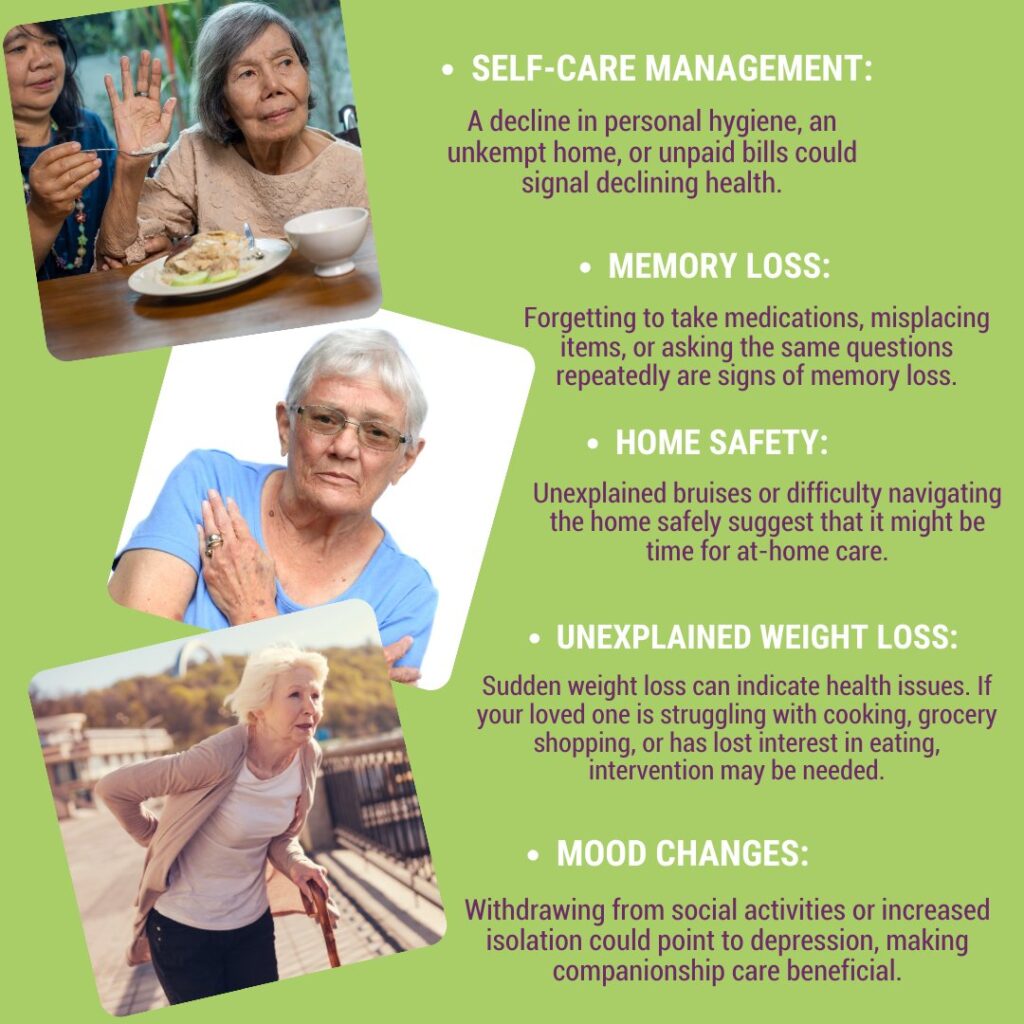
2. You Notice Unexplained Bruises or Scratches
If you notice unexplained bruises or small injuries and your senior parents can’t recall how they occurred, it may be a sign that they are losing balance or experiencing unnoticed falls. These incidents can happen even in familiar surroundings and may indicate a growing need for support.
A professional caregiver can help reduce these risks by providing assistance with mobility, making the home safer and more accessible, and offering supervision to help prevent accidents before they happen.
3. Their Personal Hygiene Has Changed
Unwashed hair, stained clothes, or noticeable body odor can be signs that your parents are struggling with bathing or dressing, often due to fear of slipping in the shower, limited mobility, or reduced flexibility. These challenges may seem minor, but they can significantly affect your parent’s comfort, self-esteem, and overall quality of life.
Everyday personal care tasks, which many of us take for granted, can become physically exhausting or emotionally stressful for older adults. Skipping or avoiding these routines can lead to discomfort, skin issues, or social withdrawal.
Compassionate personal care from a trained caregiver can make a meaningful difference. Not only does it help your parents maintain cleanliness and hygiene, but it also restores dignity, confidence, and a sense of independence, allowing them to feel comfortable and secure in their own home.
4. They Forget Meals or Lose Interest in Eating
Skipping meals, eating expired food, or experiencing unintended weight loss are important warning signs. Seniors living alone may forget to eat, lose interest in cooking, or find it challenging to manage meal preparation on their own. Over time, these habits can lead to malnutrition, fatigue, and a decline in overall health.
An in-home caregiver can make a big difference by planning and preparing nutritious meals, ensuring your parents eat regularly, and providing friendly companionship during mealtimes. With this support, mealtime becomes not just nourishing but also enjoyable, helping your parents maintain their health and happiness.
5. You’ve Noticed Medication Mix-Ups
Are prescriptions running out too quickly, or is your parent forgetting to take their medications altogether? Medication errors are common among older adults and can lead to serious consequences, including worsening health conditions, hospitalizations, or dangerous side effects.
A professional caregiver can help by providing regular medication reminders, organizing prescriptions, and ensuring doses are taken correctly and on time. This support not only reduces the risk of health complications but also gives you and your loved ones peace of mind, knowing that their well-being is being carefully managed every day.
6. They Seem More Isolated or Withdrawn
If your once-social parents rarely leave the house or seem disinterested in phone calls and visits, it could be a sign of loneliness or even mild depression. Social isolation can take a serious toll on both emotional and physical health over time.
Companion care can make a meaningful difference by providing regular conversation, encouragement, and engaging activities that bring purpose and connection back into daily life. With the support of a caring companion, your parents can feel more motivated, supported, and connected to the world around them.
7. Their Mood or Memory Is Changing
Repeating questions, forgetting names, or showing increased confusion may be early signs of cognitive decline. These changes often start subtly, making them easy to overlook, but over time they can affect daily routines, decision-making, and overall quality of life. Recognizing these warning signs early allows families to provide the support and care their loved one needs before challenges escalate.
Professional caregivers trained in Alzheimer’s and dementia care can offer consistent structure, patience, and engaging activities tailored to your loved one’s abilities. They can help with daily routines, provide gentle reminders, and encourage mental stimulation, all while ensuring safety and emotional support. With this guidance, your parents can maintain as much independence as possible, stay mentally active, and enjoy a higher quality of life in the comfort of home.
8. You’ve Noticed Poor Judgment or Unpaid Bills
Unopened mail, late bills, or unexpected purchases can be warning signs that your parent is experiencing cognitive decline or feeling overwhelmed by daily responsibilities. These issues may indicate difficulty managing tasks that were once routine, putting your loved one at risk for stress, financial errors, or missed deadlines.
In-home support can help by keeping finances, mail, and other daily responsibilities organized and under control. Caregivers can assist with bill reminders, mail sorting, and overall household management, helping your parents maintain independence while ensuring important tasks are handled safely and efficiently.
9. They’re Having Trouble Getting Around
Do they struggle to get in and out of chairs, climb stairs, or leave the house safely? Even small mobility challenges can quickly increase the risk of falls and injuries, which can have serious consequences for an older adult’s health and independence. Over time, fear of falling may also cause your loved one to limit movement, leading to decreased strength, flexibility, and confidence.
A professional caregiver can provide assistance with safe transfers, walking support, and daily movement exercises. They can also help create a safer home environment by removing obstacles, adding mobility aids, and encouraging regular activity. With this support, your parents can stay active, maintain strength, and preserve as much independence as possible, while you have peace of mind knowing they are safe and supported.
10. You’re Feeling Overwhelmed
If you’ve found yourself helping more often, running errands, managing doctor appointments, or checking in daily, it may be a sign that it’s time for professional support. Trying to manage everything on your own can be overwhelming, stressful, and exhausting, both for you and your loved one. You don’t have to navigate this alone.
An experienced respite care team can share these responsibilities, offering reliable assistance with daily tasks, medication reminders, transportation, and medical coordination. With their support, you can focus on spending meaningful, stress-free time with your loved one, strengthening your bond while ensuring their needs are met safely and consistently. Professional caregivers can bring peace of mind, knowing that your loved one is being cared for with compassion, respect, and attention to detail every day.
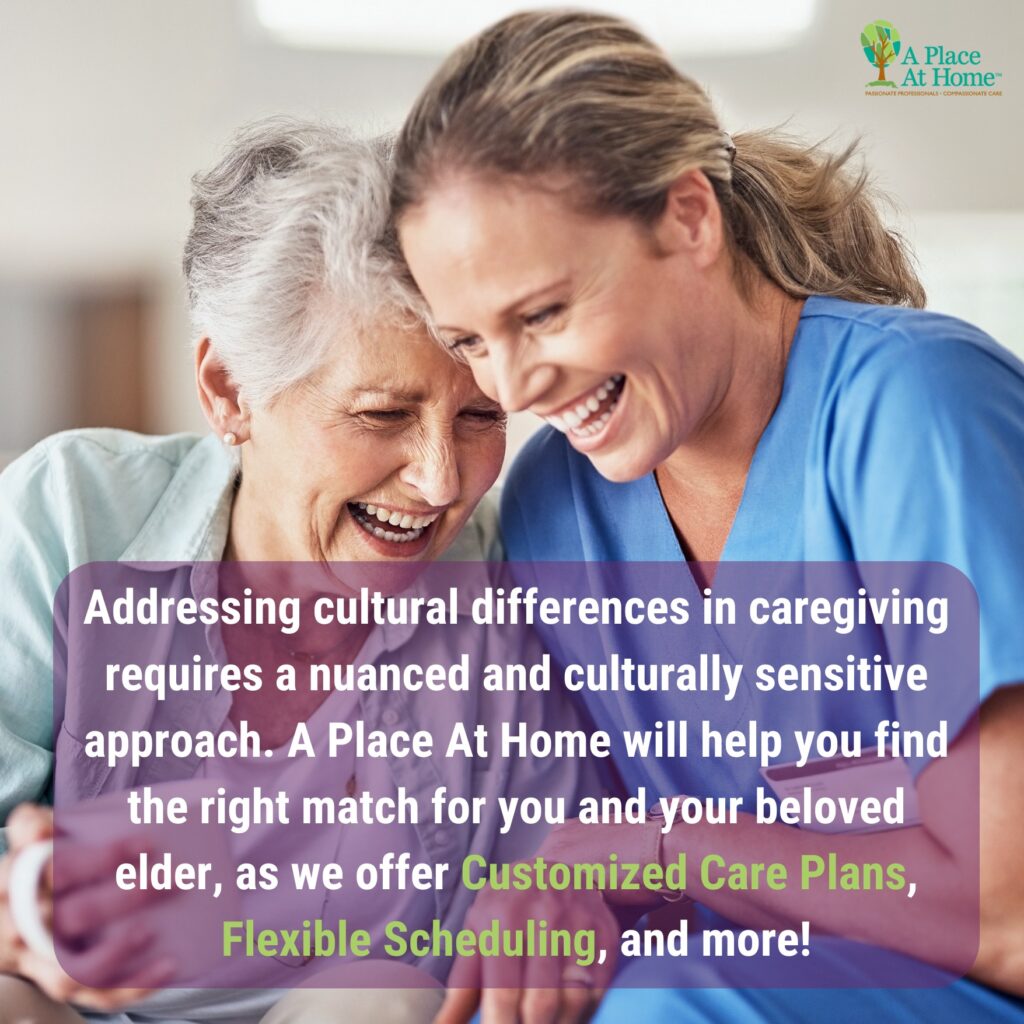
💙 Early Help Makes All the Difference
Recognizing these subtle signs early can make all the difference in keeping your aging parents safe, healthy, and comfortable at home. In-home senior care offers compassionate support tailored to their unique needs, from personal care and companionship to mobility assistance and medication management. By enlisting professional help, you can prevent accidents, reduce stress, and preserve your parents’ independence, while also giving yourself the peace of mind that comes from knowing they are well cared for.
At A Place At Home – Westwood, we partner with families across Bergen County, NJ to provide customized in-home care plans that evolve as your loved one’s needs change. Whether your parent needs a few hours of companionship each week or more consistent personal care, our caregivers deliver support with compassion and dignity.
📞 Call (201) 890-5789 today to schedule a free in-home consultation. Let’s make sure your loved one stays safe, comfortable, and cared for at home before an emergency happens.
Frequently Asked Questions
Q1: How can I bring up the topic of home care without upsetting my parents?
Start with empathy and understanding. Focus on your parent’s safety, comfort, and ability to maintain independence rather than emphasizing “caregiving” or “needing help.” A gentle approach is to suggest trying a few hours of support each week for tasks like meal preparation or housekeeping. Experiencing the benefits firsthand often helps reduce resistance and reassures your parents that home care is about support, not loss of independence.
Q2: What’s the difference between in-home care and home health care?
In-home care provides non-medical support, including assistance with daily activities such as meal preparation, personal care, light housekeeping, and companionship. Home health care, on the other hand, delivers medical services provided by licensed professionals such as nurses, therapists, or aides, often following a doctor’s orders. Both types of care can complement each other depending on your loved one’s needs.
Q3: How much does in-home care cost in Bergen County, NJ?
The cost of in-home care depends on the level of assistance needed and the number of hours of care. At A Place At Home – Westwood, we create personalized care plans tailored to your family’s needs and budget. During a free consultation, we review all options, so you have a clear understanding of the services and costs before making a decision.
Q4: Can care be started quickly if my parent needs help right away?
Yes. We understand that situations can change suddenly, and prompt support is often essential. In many cases, care can be arranged within 24–48 hours, ensuring your loved one receives the assistance they need as soon as possible. Our team works quickly to provide safe, reliable, and compassionate support without unnecessary delays.