
Caring for a loved one with heart disease can feel overwhelming, especially when you’re balancing your own responsibilities, work, and family life. For Bergen County families, the challenges of managing medications, monitoring symptoms, and supporting daily activities can raise common questions: Am I doing enough? How can I ensure their safety at home? Where can I find reliable help?
You’re not alone. With the right guidance and in-home support strategies, caregivers can provide compassionate care while maintaining their own well-being. In this article, we’ll explore practical tips and approaches tailored specifically for Bergen County families, helping you feel more confident and supported in your caregiving journey.
Understanding Heart Disease
Heart disease is a broad term that encompasses a range of conditions affecting the heart and blood vessels, including coronary artery disease, heart failure, arrhythmia, and valve disorders. Each condition can manifest differently, but common symptoms often include shortness of breath, fatigue, chest discomfort, and swelling in the legs or ankles.
For family caregivers in Bergen County, understanding these conditions is the first step toward providing effective support at home. Knowing the signs of worsening heart health, such as sudden weight gain, persistent cough, or irregular heartbeat, can help you take timely action and prevent complications.
It’s also important to recognize that heart disease management often involves more than medications. Lifestyle factors, like diet, physical activity, and stress management, play a critical role in your loved one’s overall health. As a caregiver, staying informed about these aspects can make a meaningful difference in their quality of life.
By learning the basics of heart disease, caregivers gain the confidence to monitor symptoms, communicate effectively with healthcare providers, and implement daily routines that support heart health while reducing stress for both you and your loved one.
In-Home Support Strategies for Heart Disease
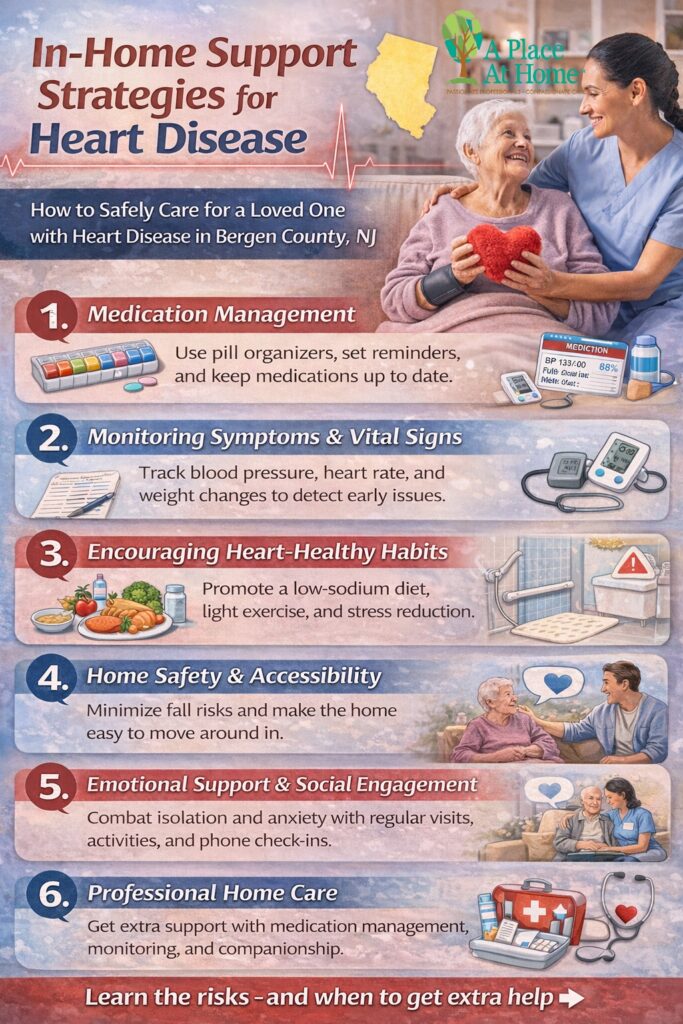
Providing care for a loved one with heart disease at home involves a balance of practical support, emotional reassurance, and health monitoring. For Bergen County families, creating a safe and supportive environment can make a real difference in managing symptoms and promoting overall well-being. Here are key strategies to consider:
1. Medication Management
Heart disease often requires multiple medications taken at specific times. Using pill organizers, setting reminders, or keeping a medication log can help prevent missed doses or accidental double-dosing. As a caregiver, you can also coordinate with healthcare providers to ensure prescriptions are up to date and properly adjusted.
2. Monitoring Symptoms and Vital Signs
Regularly checking blood pressure, heart rate, weight, and fluid retention can help catch early signs of complications. Keep a record of these readings and share them with your loved one’s doctor to stay ahead of potential issues.
3. Encouraging Heart-Healthy Habits
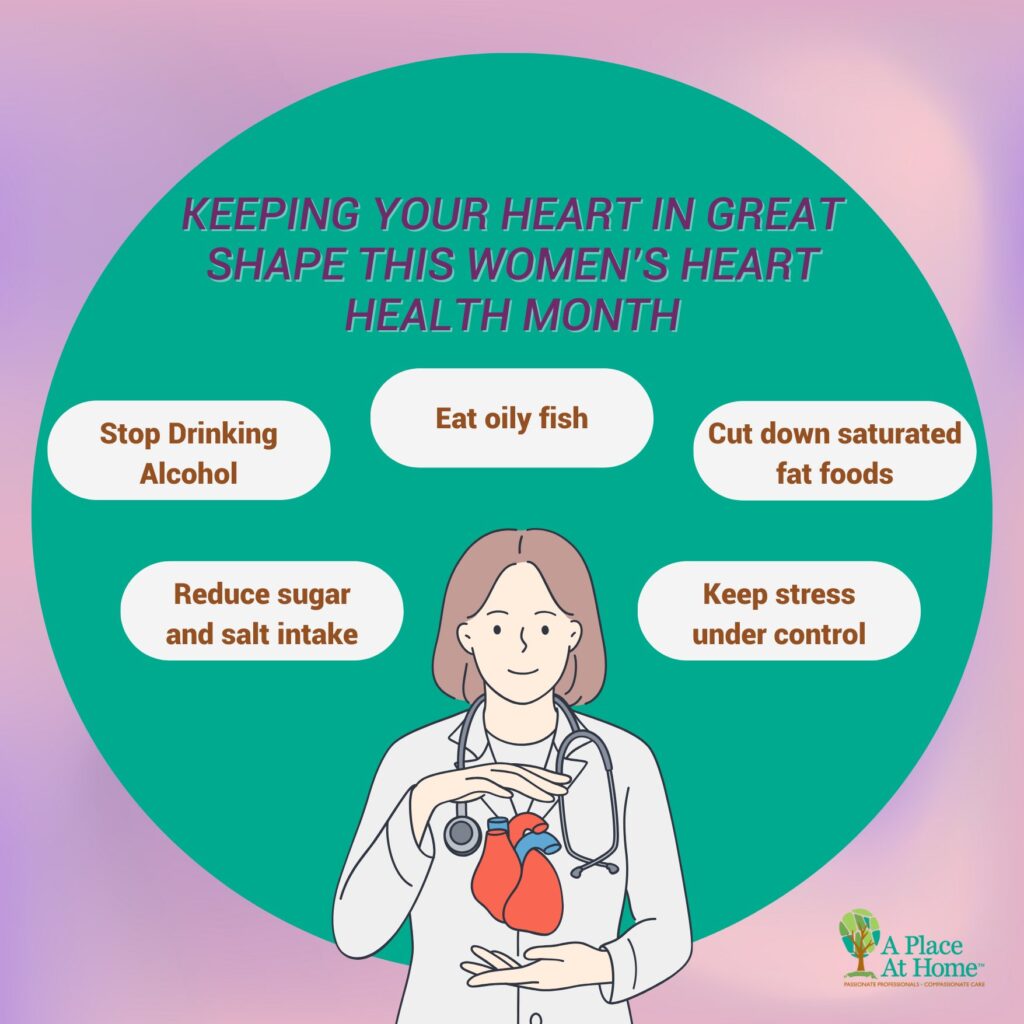
Supporting a balanced diet low in sodium and saturated fats, gentle physical activity approved by the physician, and stress-reduction practices can significantly improve heart health. Simple routines like walking together, preparing healthy meals, or practicing relaxation techniques can make these habits manageable and enjoyable.
4. Home Safety and Accessibility
Minimizing fall risks, ensuring easy access to frequently used areas, and organizing medications and medical supplies within reach can create a safer living space. Small adjustments, like non-slip mats, proper lighting, and sturdy handrails, can have a big impact on your loved one’s safety and independence.
5. Emotional Support and Social Engagement
Heart disease can bring feelings of anxiety, depression, or isolation. Regular conversations, shared activities, and maintaining social connections help your loved one feel supported. Even brief check-ins or phone calls from friends and family can boost morale.
By implementing these strategies, Bergen County caregivers can provide compassionate, informed care that enhances their loved one’s quality of life while also managing their own stress.
When to Seek Professional Help
Even with careful monitoring and daily support, there are times when professional help becomes essential for a loved one with heart disease. Recognizing these moments early can prevent serious complications and provide peace of mind for both you and your family.
Warning Signs to Watch For
Be alert to any sudden or worsening symptoms, such as:
- Severe or persistent chest pain or pressure
- Shortness of breath that doesn’t improve with rest
- Rapid or irregular heartbeat
- Sudden swelling in the legs, ankles, or abdomen
- Confusion, dizziness, or fainting
If any of these occur, contact a healthcare provider immediately or call emergency services.
When In-Home Professional Care Can Help
Even without emergencies, professional in-home care can provide support with:
- Medication management and adherence
- Monitoring vital signs and reporting changes to doctors
- Meal planning and preparation tailored to heart-healthy diets
- Light housekeeping and home safety modifications
- Companionship and emotional support
Bergen County families don’t have to navigate heart disease care alone. Partnering with trained in-home caregivers ensures your loved one receives consistent, compassionate support while reducing caregiver stress.
Local Resources and Support for Bergen County Caregivers
Caring for a loved one with heart disease can feel overwhelming, but Bergen County families have access to a variety of resources to help ease the journey. Leveraging local support networks, educational programs, and professional services can provide guidance, relief, and peace of mind.
Community Health Organizations
Organizations such as the American Heart Association’s New Jersey chapter offer heart disease education, support groups, and caregiver resources. These programs provide practical tips on disease management, nutrition, and exercise, as well as opportunities to connect with others facing similar challenges.
Support Groups and Caregiver Networks
Local hospitals, senior centers, and community centers in Bergen County host caregiver support groups. These groups give you a safe space to share experiences, ask questions, and receive emotional support from peers who understand the day-to-day realities of heart disease care.
Professional In-Home Care Services
Trained in-home caregivers can assist with daily routines, medication management, and health monitoring, allowing family caregivers to focus on quality time with their loved ones. In-home care services also provide respite, giving you the opportunity to rest and recharge while knowing your loved one is in capable hands.
Emergency and Medical Resources
Bergen County hospitals and urgent care centers are equipped to handle heart-related emergencies. Keep a list of nearby facilities, emergency contacts, and your loved one’s medical information readily accessible.
By combining these local resources with your own care efforts, you can create a strong support system that helps your loved one thrive while also protecting your own well-being.
Frequently Asked Questions About Caring for a Loved One with Heart Disease
1. How can I care for a loved one with heart disease at home?
Caring for someone with heart disease at home involves monitoring medications, tracking symptoms like swelling or shortness of breath, encouraging heart-healthy habits, and maintaining a safe environment. Staying in close communication with healthcare providers is also essential.
2. What are warning signs that heart disease is getting worse?
Warning signs may include sudden weight gain, increased swelling in the legs or abdomen, severe chest pain, shortness of breath that does not improve with rest, dizziness, or irregular heartbeat. If symptoms worsen suddenly, seek medical care immediately.
3. How can in-home care help someone with heart disease?
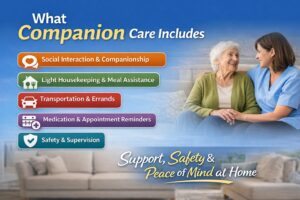
In-home caregivers can assist with medication reminders, monitoring vital signs, preparing heart-healthy meals, helping with mobility, and providing companionship. Professional support can reduce caregiver stress while helping seniors remain safely at home.
4. What lifestyle changes support heart health at home?
Heart-healthy habits include following a low-sodium diet, engaging in doctor-approved physical activity, managing stress, and maintaining regular medical appointments. Small daily routines can make a meaningful difference in long-term heart health.
5. When should families consider professional in-home care for heart disease?
Families often consider professional care after a hospitalization, surgery, or noticeable decline in stamina or mobility. If caregiving responsibilities become overwhelming or safety concerns increase, in-home support can provide added stability and peace of mind.
Providing Care with Confidence: Support for Your Family in Bergen County
Caring for a loved one with heart disease is a journey that comes with both challenges and rewards. By understanding the condition, implementing practical in-home strategies, and knowing when to seek professional help, Bergen County families can provide compassionate, effective care while maintaining their own well-being.

You don’t have to navigate this journey alone. Professional in-home caregivers can offer personalized support with daily routines, medication management, health monitoring, and companionship, allowing your loved one to remain safely at home while giving you peace of mind.
For families in Westwood, NJ, and throughout Bergen County, A Place At Home – Westwood provides experienced, compassionate in-home care tailored to the unique needs of individuals with heart disease. Our team works closely with families to create a care plan that promotes safety, comfort, and quality of life.
Take the first step toward trusted support today. Call A Place At Home – Westwood at (201) 890-5789 to schedule a consultation and learn how their caregivers can help your loved one thrive at home.