

Caring for a loved one with Alzheimer’s or dementia is a deeply personal journey, one that often brings both meaningful moments and unexpected challenges. For many families in Bergen County, the desire to keep aging parents or relatives safe, comfortable, and at home can feel overwhelming, especially as memory loss begins to affect daily routines, behavior, and communication.
You may be wondering: Is it still safe for them to live at home? How can I manage their changing needs while balancing my own responsibilities? When is it time to seek help, and what kind of help is best? These are common questions, and you’re not alone in asking them.
In-home care offers a compassionate, flexible solution that allows seniors living with Alzheimer’s or dementia to remain in familiar surroundings while receiving the support they need. With the guidance of trained caregivers, families can find peace of mind knowing their loved one is receiving attentive, personalized care while also getting the relief and support they need themselves.
If your family in Bergen County is beginning to ask these questions, A Place At Home – Westwood is here to help. Call (201) 890-5789 to schedule a consultation and explore personalized dementia care options close to home.
In this blog, we’ll explore how in-home care can enhance safety, provide structure, and improve quality of life for seniors with memory-related conditions, while helping family caregivers navigate this journey with greater confidence.
Key Takeaways
- In-home care helps seniors with Alzheimer’s or dementia remain in a familiar, comfortable home environment.
- Caregivers assist with daily routines such as meals, bathing, dressing, medication reminders, and mobility support.
- Consistent schedules and familiar surroundings can reduce confusion, stress, and anxiety.
- Professional caregivers provide companionship, emotional support, and cognitive engagement activities.
- Safety supervision helps lower the risk of wandering, falls, and household accidents.
- In-home care also supports family caregivers by providing respite and reducing burnout.
- Personalized care plans can adapt as dementia symptoms progress over time.
- Bergen County families can gain peace of mind with trusted local support from A Place At Home – Westwood.
Understanding Alzheimer’s and Dementia Care Needs
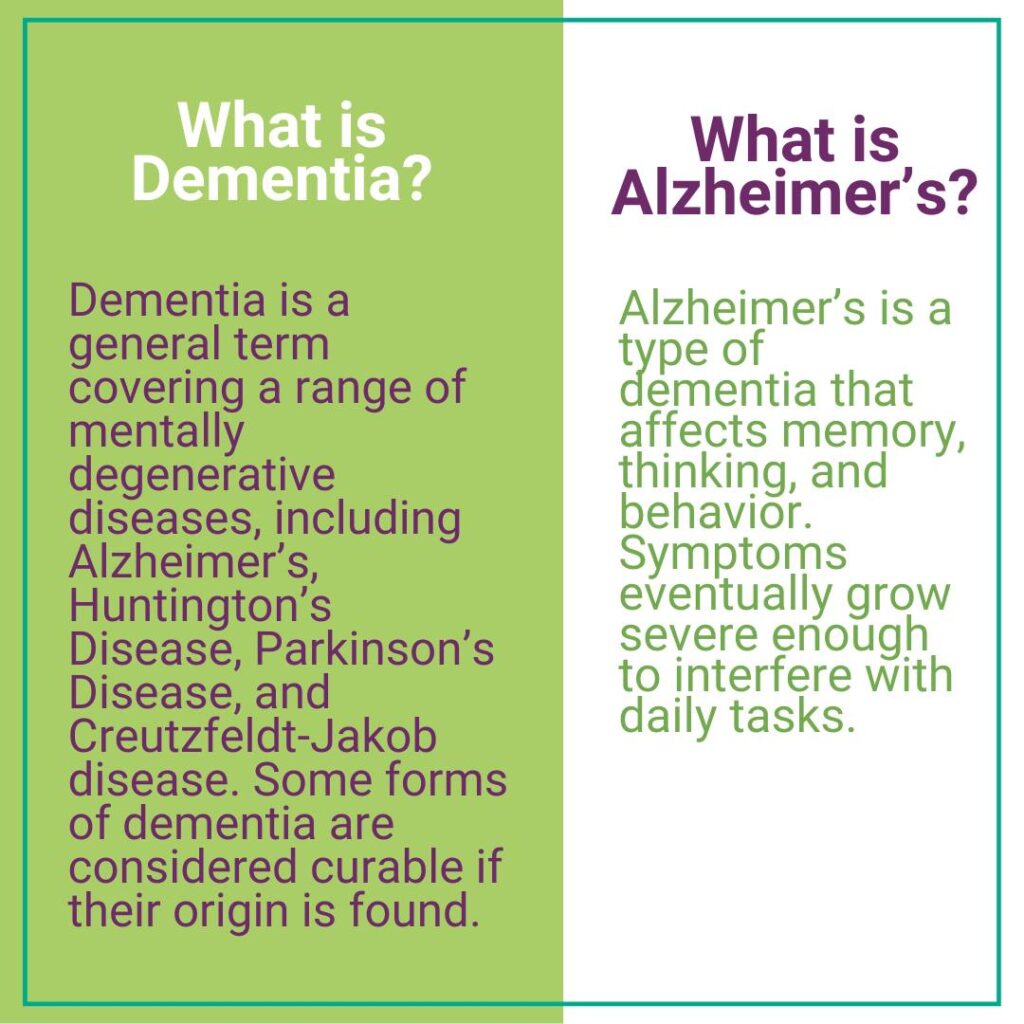
Alzheimer’s disease and other forms of dementia affect far more than just memory, they gradually impact how a person thinks, communicates, and manages everyday life. In the early stages, your loved one may experience mild forgetfulness, such as misplacing items or struggling to find the right words. As the condition progresses, these challenges often become more pronounced, leading to confusion, difficulty recognizing familiar people or places, and changes in mood or behavior. Tasks that were once routine, like preparing meals, managing medications, or maintaining personal hygiene, can become increasingly overwhelming without support.
Over time, dementia is a progressive condition, meaning symptoms typically worsen and care needs evolve. What begins as occasional reminders may eventually require more hands-on assistance and supervision. Many families find that as cognitive decline advances, safety concerns, such as wandering, falls, or leaving appliances on, become more common, making consistent care essential.
One of the most important ways to support someone living with Alzheimer’s or dementia is by maintaining a stable, familiar environment. Predictable routines and surroundings can help reduce anxiety, minimize confusion, and create a sense of comfort. Simple consistencies, like eating meals at the same time each day or following a familiar daily schedule, can make a meaningful difference in how secure and oriented your loved one feels.
Understanding these evolving needs is the first step in providing compassionate, effective care, and it’s also where in-home care can play a vital role in supporting both seniors and their families.
Need guidance on what level of support your loved one may need? Families throughout Westwood and Bergen County can call A Place At Home – Westwood at (201) 890-5789 for caring, local advice.
Challenges Family Caregivers Commonly Face
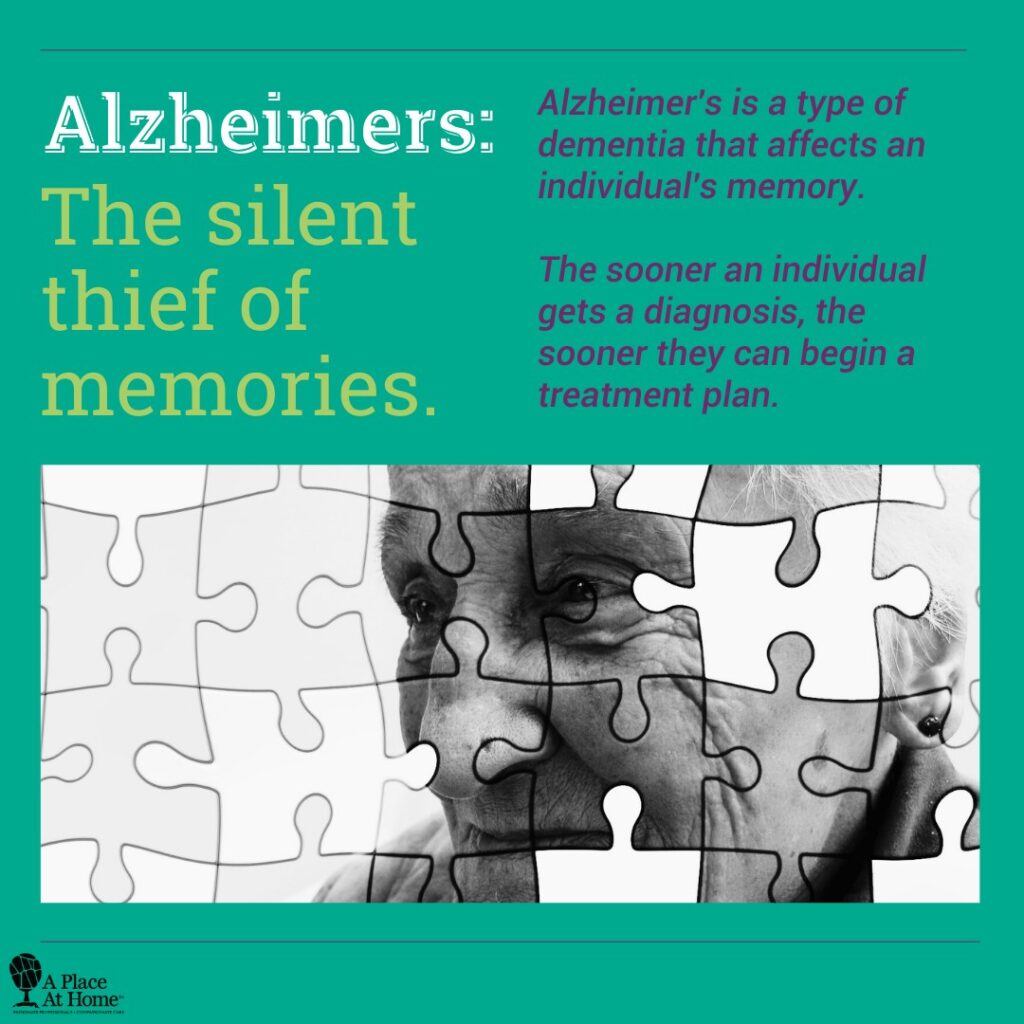
Caring for a loved one with Alzheimer’s or dementia can be deeply meaningful, but it also comes with real, day-to-day challenges that can take a toll over time. Many family caregivers in Bergen County find themselves navigating a constant balancing act, often without enough support.
• Emotional stress and burnout: Watching a loved one change due to memory loss can be difficult, and the ongoing responsibility of caregiving can feel overwhelming. It’s not unusual for caregivers to feel exhausted, anxious, or even isolated, especially when they’re providing care around the clock.
• Unpredictable behaviors: Dementia can lead to unpredictable behaviors that are difficult to manage. Your loved one may wander, become easily confused, or experience agitation, sometimes without a clear cause. These moments can be stressful and, at times, frightening, particularly if you’re unsure how to respond or prevent them.
• Juggling multiple responsibilities: Between work, raising a family, and maintaining a household, adding caregiving into the mix can stretch your time and energy thin. It can feel like there simply aren’t enough hours in the day to do everything well.
• Safety concerns: As cognitive decline progresses, everyday environments can become hazardous. Something as simple as a stove left on, a missed medication, or an unlocked door can pose serious risks, making constant supervision feel necessary.
• Feelings of guilt when considering outside help: You may wonder if you should be able to handle everything on your own or worry about how your loved one will react to a caregiver. These feelings are completely normal, but it’s important to recognize that seeking support isn’t a step back. It’s a way to ensure your loved one receives the care they need while also protecting your own well-being.
You don’t have to carry everything alone. If caregiving has become overwhelming, A Place At Home – Westwood supports Bergen County families with flexible in-home dementia care. Call (201) 890-5789 today.
Key Ways In-Home Care Supports Seniors with Alzheimer’s or Dementia
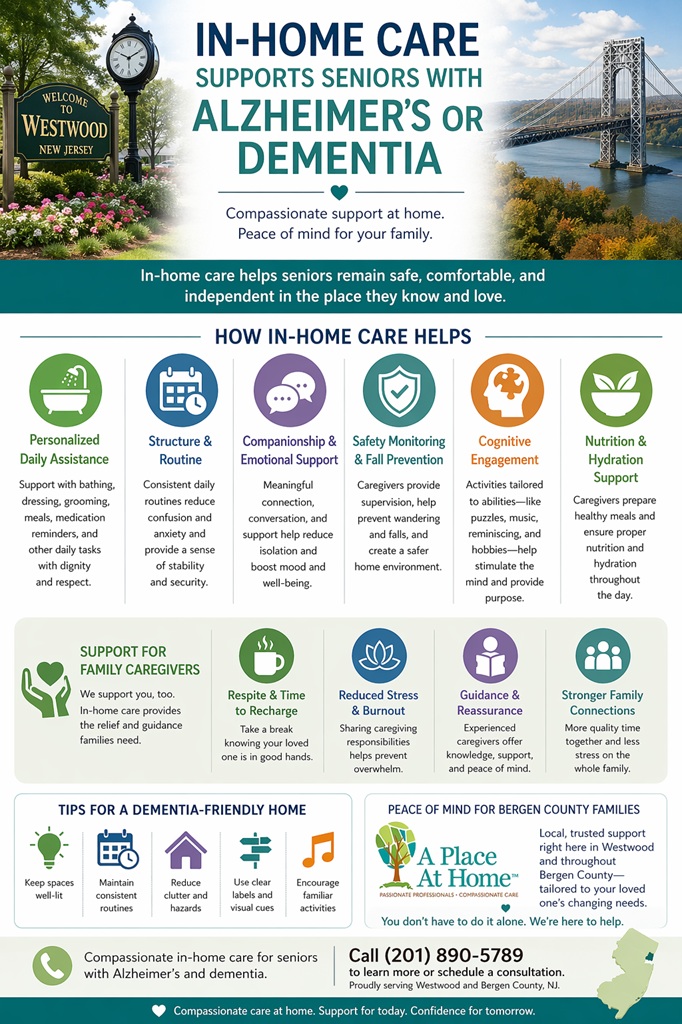
In-home care is designed to meet seniors where they are, both physically and cognitively, while adapting as their needs change. For individuals living with Alzheimer’s or dementia, this type of personalized support can make a meaningful difference in their comfort, safety, and overall quality of life.
Personalized Daily Assistance
As memory loss progresses, everyday tasks can become frustrating or even unsafe to manage alone. In-home caregivers provide respectful, hands-on assistance with activities of daily living (ADLs) such as bathing, dressing, grooming, and toileting, always prioritizing dignity and independence. They also help with meal planning and preparation, ensuring your loved one receives proper nutrition, even if they forget to eat or have difficulty preparing food on their own.
Creating Structure and Routine
Consistency is incredibly important for individuals with dementia. Caregivers help establish and maintain predictable daily routines, which can reduce confusion and provide a sense of stability. Simple things, like waking up, eating meals, and going to bed at the same time each day, can ease anxiety and help your loved one feel more secure in their environment.
Companionship and Emotional Support
Beyond physical care, emotional well-being is just as important. Seniors with Alzheimer’s or dementia are at a higher risk of isolation, especially as communication becomes more difficult. In-home caregivers offer companionship through conversation, shared activities, and attentive presence. Whether it’s listening to music, looking through photo albums, or going for a short walk, these moments of connection can improve mood and reduce feelings of loneliness.
Safety Monitoring and Fall Prevention
Safety concerns often increase as dementia progresses. Caregivers provide supervision to help prevent wandering, falls, and other accidents. They can also identify and minimize hazards around the home, such as cluttered walkways or poor lighting, creating a safer living environment. Having someone present offers peace of mind for families who worry about their loved one being alone.
Cognitive Engagement
Keeping the mind active is an important part of dementia care. Caregivers engage seniors in memory-stimulating activities tailored to their abilities, such as simple puzzles, reminiscing exercises, or familiar hobbies. These activities aren’t about improvement as much as they are about maintaining cognitive function and providing a sense of purpose and enjoyment.
Looking for compassionate dementia care at home in Bergen County? Call A Place At Home – Westwood at (201) 890-5789 to discuss a personalized care plan for your loved one.
How In-Home Care Supports Family Caregivers
While in-home care is often focused on the needs of seniors, it also plays a vital role in supporting family caregivers. Providing care for a loved one with Alzheimer’s or dementia can be physically and emotionally demanding and having reliable support can make a meaningful difference in your day-to-day life.
Providing Respite and Time to Recharge
In-home care gives you the opportunity to step away when needed, whether for a few hours, a full day, or longer. This time can be used to rest, attend to personal responsibilities, or simply take a break. Regular respite isn’t just helpful, it’s essential for maintaining your own health and well-being.
Reducing Stress and Burnout
Sharing caregiving responsibilities with a trained professional can significantly ease the pressure you may be feeling. Instead of carrying the full weight on your own, you have someone to rely on for consistent, compassionate support. This can help reduce feelings of overwhelm and prevent long-term burnout.
Offering Guidance and Reassurance
Experienced caregivers bring valuable knowledge and practical insight into dementia care. They can help you better understand your loved one’s behaviors, suggest effective ways to respond to challenges, and provide reassurance during uncertain moments. Having that guidance can help you feel more confident in your role as a caregiver.
Improving Overall Family Dynamics
When caregiving becomes all-consuming, it can sometimes strain relationships within the family. In-home care helps restore balance by allowing you to spend more quality time with your loved one, focusing on connection rather than constant caregiving tasks. It can also ease tension among family members by ensuring that responsibilities are shared and support is in place.
If you need time to rest and recharge, respite dementia care is available for families across Bergen County. Contact A Place At Home – Westwood at (201) 890-5789.
Dementia Home Care FAQs
What is in-home care for Alzheimer’s and dementia patients?
In-home care provides non-medical support for individuals living with Alzheimer’s or dementia in the comfort of their own home. Caregivers assist with daily activities, safety supervision, companionship, and routine support while helping seniors remain in a familiar environment.
At what stage of dementia should in-home care be considered?
In-home care can be beneficial at any stage, but many families begin seeking support when memory loss starts to impact daily tasks, safety becomes a concern, or caregiving responsibilities become overwhelming. Early support often helps maintain stability longer.
How does in-home care help manage dementia-related behaviors?
Trained caregivers understand how to respond to common behaviors such as confusion, agitation, wandering, or repetition. They use calm communication, structured routines, and redirection techniques to help reduce stress and maintain a safe, supportive environment.
Will my loved one have the same caregiver each time?
Most in-home care providers aim to offer consistent caregiver assignments whenever possible. Building familiarity and trust is especially important for individuals with dementia, as routine and recognizable faces can help reduce anxiety and confusion.
How do I know if in-home care is the right choice for my family?
If caregiving is becoming overwhelming, safety concerns are increasing, or your loved one needs more support than you can provide alone, in-home care may be a helpful solution. A consultation with a professional provider can help assess needs and recommend the right level of care.
Choosing the Right In-Home Care Provider in Bergen County
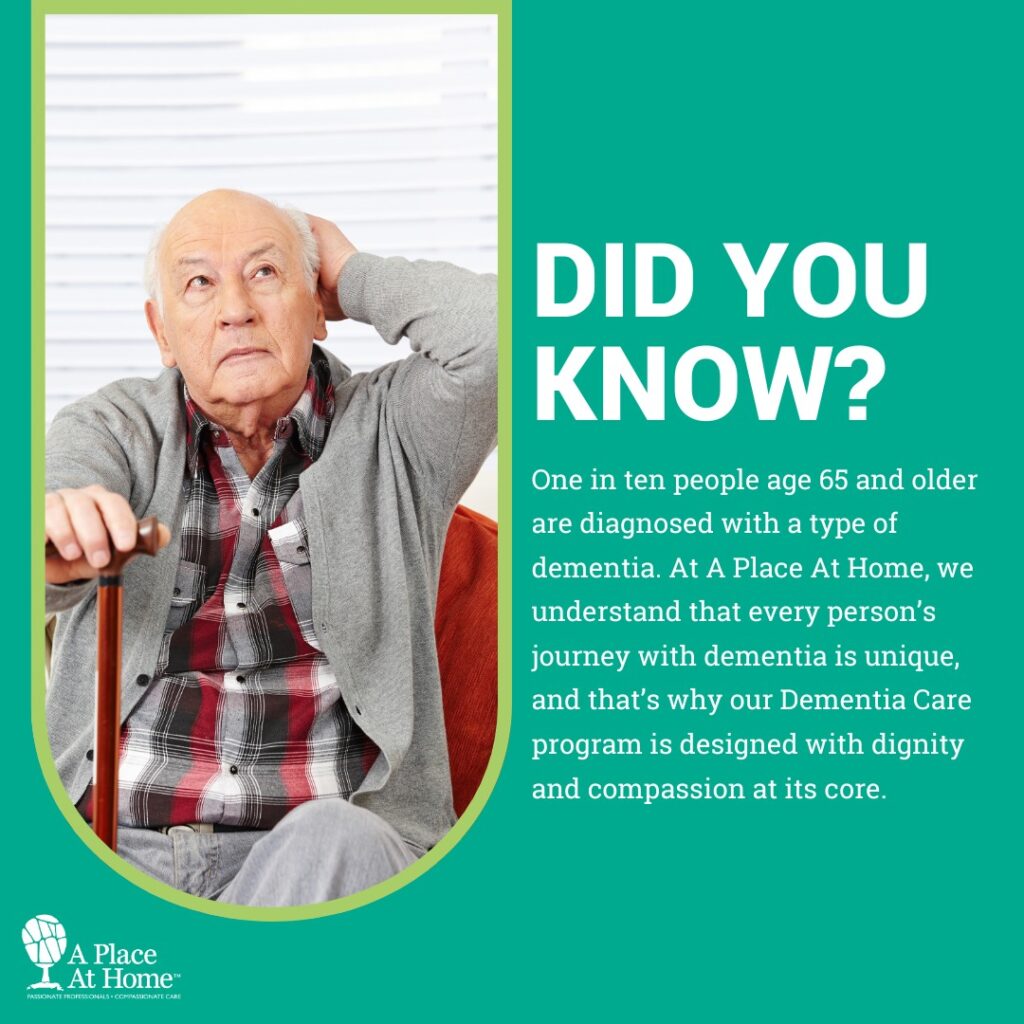
Selecting an in-home care provider is an important decision, one that can have a lasting impact on your loved one’s safety, comfort, and overall quality of life. With so many options available in Bergen County, it’s helpful to know what truly sets a provider apart.
What to Look For
Start by focusing on experience and qualifications. A reputable agency should have caregivers who are specifically trained in Alzheimer’s and dementia care, not just general senior assistance. Look for proper licensing, insurance, and a clear commitment to ongoing training. Dementia care requires patience, communication skills, and an understanding of how to manage behaviors like confusion or agitation, so specialized experience matters.
The Importance of Personalized Care Plans
No two individuals experience dementia the same way, which is why a one-size-fits-all approach simply doesn’t work. The right provider will take the time to assess your loved one’s unique needs, preferences, and routines, then develop a customized care plan. This plan should evolve over time as your loved one’s condition changes, ensuring they continue to receive the right level of support.
Questions to Ask During Consultations
When speaking with potential providers, don’t hesitate to ask detailed questions. For example:
• How are caregivers trained to handle dementia-related behaviors?
• How do you match caregivers with clients?
• What happens if a caregiver is unavailable?
• How do you communicate updates to families?
• Can care plans be adjusted as needs change?
These conversations can give you a clearer sense of the provider’s approach, reliability, and level of transparency.
The Value of a Local Provider
Choosing a home care provider based in Bergen County can offer added benefits. Local agencies are often more familiar with nearby hospitals, senior services, and community resources, making coordination of care smoother. They may also be better positioned to respond quickly to schedule changes or urgent needs, giving you greater peace of mind.
Families in Westwood, Paramus, and throughout Bergen County trust local care that understands the community. Call A Place At Home – Westwood at (201) 890-5789 to get started.
Alzheimer’s and Dementia Care from A Place At Home – Westwood
Supporting a loved one with Alzheimer’s or dementia is a journey that requires patience, understanding, and the right kind of help. While the challenges can feel overwhelming at times, you don’t have to navigate them alone. With the right support system in place, it’s possible to create a safe, comforting environment where your loved one can continue to live with dignity and familiarity.
In-home care offers more than just assistance, it provides stability, companionship, and peace of mind for both seniors and their families. It allows your loved one to remain in a place they know and love, while giving you the support you need to be present not just as a caregiver, but as a family member.
If you’re beginning to explore care options or feel that additional support could make a difference, professional guidance can help you take the next step with confidence. A Place At Home – Westwood offers specialized Alzheimer’s and dementia care services tailored to meet the unique needs of each individual and family. Our compassionate caregivers are trained to provide personalized support that evolves alongside your loved one’s condition.
To learn more about how we can help, give us a call at (201) 890-5789. Taking that first step can bring clarity, relief, and the reassurance that your loved one is in capable, caring hands.