Common Reasons Why Your Elderly Parent Keeps Waking Up at Night

Watching an elderly parent wake up multiple times during the night can be exhausting and worrying. Sleep is essential for memory, mood, immunity, heart health, balance, and overall well‑being. Many families assume sleep problems are simply part of aging, but frequent nighttime awakenings are often a sign of underlying issues that can be addressed.

How Common Are Sleep Problems Among Seniors in Florida

According to the U.S. Department of Health and Human Services data from the 2022 Behavioral Risk Factor Surveillance System, about 27.9 percent of adults age 65 and older in Florida report sleeping less than seven hours per night, which is below the recommended amount for healthy adults. This shows that insufficient sleep is a significant concern for older Floridians.

Pembroke Pines specifically has a growing senior population, with about 19.5 percent of residents aged 65 and over, which is higher than the national average. This makes sleep issues particularly relevant to families in the area.

Nationwide data also indicate that nearly half of older adults experience insomnia or poor sleep quality, with many seniors unaware that their sleep challenges could be addressed with proper support. Sleep disruptions are not just inconvenient; they can have real health consequences.

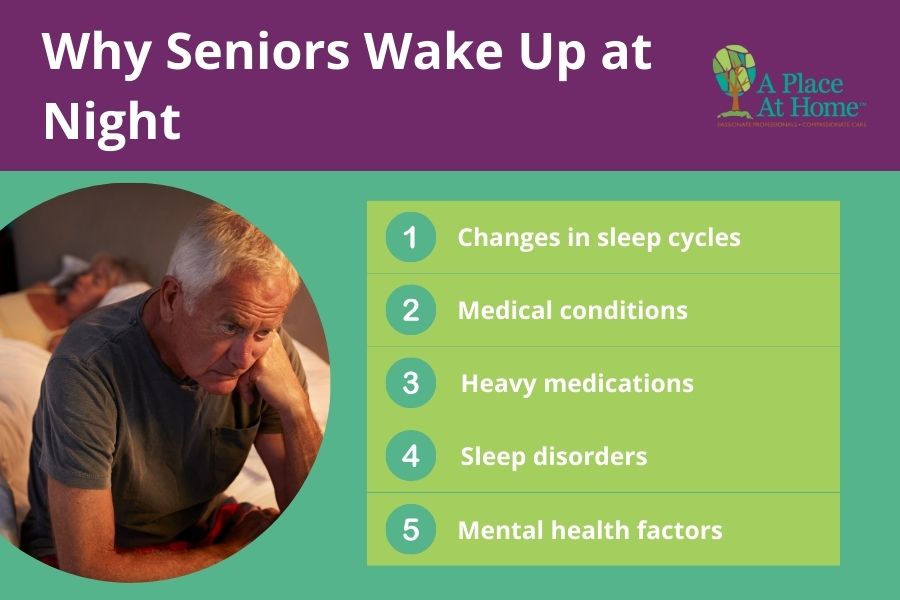
Why Seniors Wake Up at Night

There are several factors that contribute to frequent nighttime waking in older adults, often interacting with one another:

  • Changes in sleep cycles: Seniors often experience lighter sleep and earlier waking times.
  • Medical conditions: Pain from arthritis, heart or lung problems, diabetes, or bladder issues can interrupt sleep.
  • Medications: Drugs for blood pressure, mood, or pain may cause insomnia or fragmented sleep.
  • Sleep disorders: Sleep apnea, restless leg syndrome, and insomnia are more common in older adults. Studies suggest that 20 to 60 percent of people over age 65 show signs of sleep apnea.
  • Mental health factors: Anxiety, depression, or cognitive changes can affect the ability to stay asleep.
The Consequences of Poor Sleep

Sleep is not simply rest. It is the period when the body repairs tissues, strengthens the immune system, consolidates memories, and regulates hormones. When seniors do not sleep well, the effects extend beyond fatigue. Cognitive performance may decline, memory lapses can increase, and the ability to focus and make decisions diminishes. Physical health is also affected. Poor sleep is associated with a higher risk of falls, slower healing, and worsening chronic conditions such as diabetes and heart disease.

The impact extends to family caregivers as well. Nighttime caregiving, especially when parents wake up multiple times, can lead to exhaustion, stress, and burnout. Families may find themselves navigating work, daily responsibilities, and caregiving all at once, often without the support needed to manage these demands. Improving sleep is essential not just for seniors but for the well-being of the entire household.

Practical Strategies to Support Better Sleep in Seniors

Addressing sleep challenges usually requires a combination of lifestyle changes, environmental adjustments, and medical support. The following strategies are recommended by geriatric care experts:

  • Create a consistent sleep schedule. Seniors benefit from going to bed and waking at the same time every day. A calming pre-bedtime routine, such as reading, listening to soft music, or gentle stretching, helps signal to the brain that it is time to sleep.
  • Optimize the bedroom environment. A cool, dark, and quiet room promotes restorative sleep. Comfortable bedding and supportive mattresses improve physical comfort. Limiting bright screens in the evening helps the body naturally prepare for sleep.
  • Monitor diet and hydration. Avoiding caffeine and large meals in the evening can prevent sleep disruption. Encouraging fluids earlier in the day reduces nighttime trips to the bathroom while maintaining proper hydration.
  • Encourage daytime physical activity and natural light exposure. Gentle exercises such as walking or stretching support deeper sleep at night, while exposure to daylight during the day helps regulate circadian rhythms.
  • Consult a healthcare provider. If medications or health conditions are contributing to nighttime awakenings, a doctor can review treatment plans. Evaluations for sleep disorders such as sleep apnea or restless leg syndrome can help identify underlying causes.
  • Keep a sleep diary. Recording bedtime, wake times, nighttime awakenings, medication schedules, and daily fatigue can provide valuable insight for healthcare professionals in tailoring solutions.

Overnight Care Support in Pembroke Pines, Florida

Sometimes seniors need support beyond routine changes and lifestyle adjustments. A Place at Home‑Weston provides compassionate overnight care in Pembroke Pines, Florida, offering:

  • Assistance with bedtime routines and mobility
  • Medication reminders and bathroom support
  • Gentle companionship throughout the night
  • Supervision to reduce nighttime anxiety and falls

Overnight care allows seniors to rest more comfortably and gives families confidence that their loved ones are safe and supported.
If your parent struggles with nighttime awakenings, contact A Place at Home‑Weston to learn how our overnight care services can help improve sleep and overall well-being for your loved one. Call (954) 335-9284

FAQs Related to Sleep Issues in Seniors

Is it normal for seniors to nap during the day if they sleep poorly at night?

Short daytime naps can be helpful, but long or late-afternoon naps may make nighttime sleep more difficult. Seniors generally benefit most from brief naps earlier in the day, especially if nighttime sleep is fragmented.

What is the emotional impact of poor sleep on seniors?

Ongoing sleep disruption can affect mood, increase irritability, and contribute to feelings of isolation or frustration. Supporting better sleep often leads to noticeable improvements in emotional well-being and daily engagement.

Can nighttime waking be linked to memory loss or dementia?

Yes. According to research published in BMC Geriatrics, sleep-wake disorders, including frequent night awakenings and irregular sleep patterns, occur in most people living with dementia and are a common feature of cognitive decline, contributing to disrupted nighttime rest. In this study, researchers note that sleep-wake disorders include frequent nocturnal awakenings and poor sleep efficiency, and that these symptoms burden both the individual and caregivers.

How does poor sleep affect fall risk in older adults?

Interrupted sleep can lead to grogginess, slower reaction time, and poor balance, especially during nighttime bathroom trips. Adequate supervision, proper lighting, and assistance during the night can significantly reduce fall risk.

How does overnight care differ from having a family member “check in” at night?

Professional overnight caregivers remain alert and present throughout the night, providing consistent supervision, assistance, and reassurance. This level of support reduces risks that brief or intermittent check-ins may miss.

Parkinson’s Care at Home: How Daily Routines Support Seniors

How to Adapt Daily Routines for Someone with Parkinson’s

Parkinson’s disease is a progressive neurological condition that affects movement, coordination, and daily function. According to the Parkinson’s Foundation, an estimated 1.1 million people in the United States are living with Parkinson’s disease, and that number is projected to rise in the coming years. As symptoms change over time, adapting daily routines becomes one of the most important ways to preserve independence, safety, and emotional well-being.

Parkinson’s affects every individual differently. As abilities change, older adults living with this condition must continually adjust their daily routines. By developing healthy habits and thoughtful strategies, those with Parkinson’s can maintain a sense of purpose, improve their well-being, and enjoy a better quality of life.

The progressive motor challenges associated with Parkinson’s can significantly impact everyday activities. Common symptoms include tremors that may occur even while at rest, muscle stiffness or rigidity, slowed movement, shuffling steps, and episodes of “freezing,” when the feet seem unable to move forward.

In addition to physical symptoms, Parkinson’s also brings non-motor challenges. These may include memory and concentration difficulties, persistent fatigue, sleep disturbances such as insomnia or restless legs, and an increased risk of depression and anxiety. Together, these changes can affect both emotional health and cognitive function.

Although these physical and mental changes can reduce independence, they do not eliminate the ability to live meaningfully. With the right daily routines and adaptive strategies, individuals with Parkinson’s can feel empowered, resilient, and supported. Establishing consistent, manageable habits provides structure that strengthens both physical health and emotional well-being.

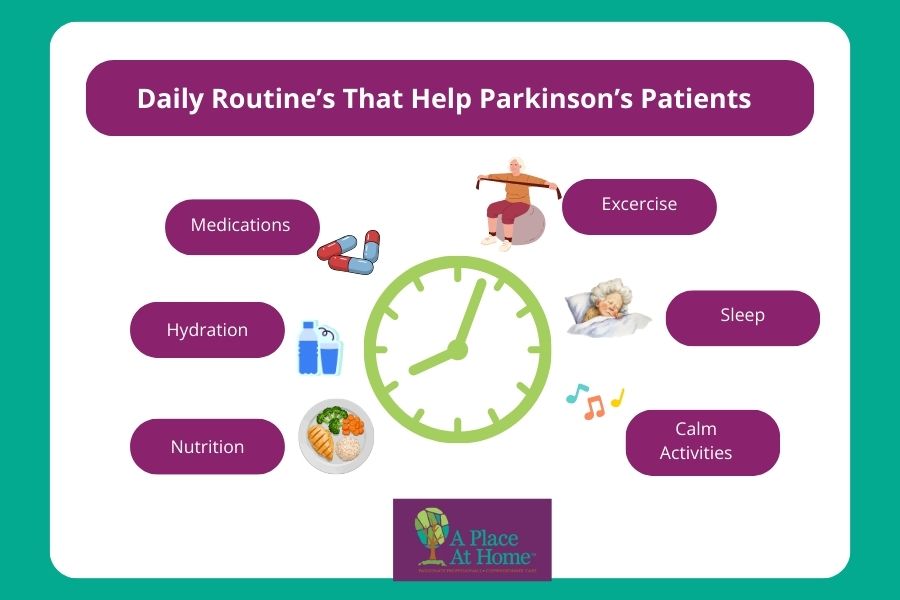
Daily Routine’s That Help Parkinson’s Patients

How Physical Activity Helps Parkinson’s Symptoms

Regular exercise offers tremendous health benefits, even to Parkinson’s patients who feel too stiff to move. Ease into movements to warm up the muscles. Upon waking, stretch in bed for a few minutes. Roll the neck, ankles, and shoulders. Take a walk, do Tai Chi or swim.

Join an exercise class filled with participants affected by Parkinson’s or that is led by a coach with the condition. Work up to exercise 30 minutes, 5 days a week. On days when exercising feels impossible, perform a little at a time and focus on small wins to stay motivated.

How Nutrition Supports Parkinson’s Management

Start incorporating fruits, vegetables, legumes, whole grains and beans into daily meals to ease Parkinson’s symptoms. At the same time, limit sugars, processed foods and red meat. Try modeling food choices on the Mediterranean and MIND diets, which are shown to benefit Parkinson’s patients.

Consuming foods rich in vitamins and minerals helps the aging body optimize medications. Meals that are rich in fiber manage constipation. Good nutrition also maintains bone health. Plus, a balanced diet improves energy levels for older adults living with Parkinson’s disease.

Why Parkinson’s Medications Must Be Taken on Time

Parkinson’s medications, such as COMT inhibitors, dopamine agonists, and anticholinergics, deliver maximum benefits when taken at the same time each day. Seniors who stay consistent with a medication schedule help keep their Parkinson’s symptoms, like tremors and rigidity, under control.

Adapting to the drug routine may include setting medication reminders on a smartwatch or phone, using a pill organizer that sounds like an alarm or relying on a medication reminder app. Drink a full glass of water upon taking the medications to help the body break them down more efficiently.

How Sleep Impacts Parkinson’s Disease

A quality night’s rest helps repair a body affected by Parkinson’s disease, contributing to better movement the next day and less severe symptoms. Memory and decision-making ability also improve by getting the 7 to 9 hours of uninterrupted sleep recommended by experts.

Modify the bedroom environment to promote restful sleep. Dim the lights and adjust the temperature until the room is comfortable. Avoid daytime naps and screen time an hour before bed to encourage nighttime sleep. Fulfill needs for food and restroom use before bed to prevent awakening at night.

How Stress Worsens Parkinson’s Symptoms

Stress worsens Parkinson’s symptoms by further depleting the senior’s already minimal dopamine levels, intensifying tremors and exacerbating sleep problems. Acute stress can also interfere with the effectiveness of Parkinson’s medications. While stress is inevitable, the elderly can learn to manage it.

Seniors can incorporate any number of stress relievers into their daily routines. Artistic older adults paint, play the piano, and dance to lively music. Others journal to express difficult emotions. Meditation is another popular tool to help relieve the burden of daily stress.

Why Social Connection Matters for Parkinson’s Patients

The health benefits of positive social interactions are many, boosting the immune system, easing depression and anxiety, and helping the elderly feel acknowledged. However, Parkinson’s symptoms can shut down normal functions and interfere with engaging socially with friends and family.

The soft voice, facial masking, and tremors that accompany Parkinson’s disease contribute to the feelings of social isolation and loneliness many patients feel. A community of supportive friends, family, and caregivers ensures that seniors remain socially connected and emotionally healthy every day.

Older adults affected by Parkinson’s disease are urged to adapt their daily routines to better cope with the changes their condition brings. New habits form gradually and may be more difficult to develop for seniors with Parkinson’s, since their dopamine reward system is in decline.


Common Questions About Parkinson’s and Daily Living

Can Parkinson’s patients live independently at home?

Yes, many people with Parkinson’s can live independently at home, especially in the early and middle stages of the disease. Independence depends on how well symptoms like tremors, balance issues, stiffness, and memory changes are managed. With consistent medication, safe home modifications, and support from family or home care providers, many Parkinson’s patients continue cooking, bathing, dressing, and managing daily life in their own homes for years.

How do daily routines reduce Parkinson’s symptoms?

Daily routines reduce Parkinson’s symptoms by stabilizing the brain’s dopamine cycles. When activities such as eating, exercising, sleeping, and taking medication happen at the same time each day, the nervous system experiences less stress and fewer fluctuations. This leads to more predictable movement, fewer “off” periods, better balance, and improved energy levels throughout the day.

What makes Parkinson’s worse during the day?

Parkinson’s symptoms get worse when medication timing is inconsistent, stress levels rise, fatigue builds up, or sleep quality is poor. Missed or delayed doses cause dopamine levels to drop, leading to increased tremors, stiffness, and freezing. Dehydration, low blood sugar, emotional stress, and overexertion can also trigger symptom flare-ups later in the day.

What kind of home care do Parkinson’s patients need?

Parkinson’s patients need home care that focuses on medication reminders, mobility support, fall prevention, personal care, and daily routine assistance. This includes help with bathing, dressing, meal preparation, transportation to medical appointments, and safe movement around the home. As the disease progresses, caregivers also provide emotional support, companionship, and monitoring to ensure safety and stability.

Parkinson’s Home Care from A Place at Home-Weston

Parkinson’s specialists agree that consistent routines, medication timing, physical movement, and emotional support are the four pillars of successful home-based Parkinson’s management.

Support is available through friends, family members, and trusted home care providers such as A Place At Home. We deliver compassionate Parkinson’s home care designed to help individuals living with this progressive condition maintain their independence while improving daily quality of life.

Our non-medical in-home care includes medication assistance, with gentle reminders that help seniors take prescriptions on schedule, so they receive the full benefit of their treatment and avoid symptom flare-ups.

Senior with Parkinson’s receiving in-home support from a caregiver in Weston, Florida

For those experiencing movement challenges, caregivers also provide hands-on mobility support to reduce the risk of falls and injuries. Home safety evaluations and ongoing monitoring further help protect seniors as their needs change.

In addition, caregivers assist with errands and transportation, including medical appointments and pharmacy visits. Grocery shopping, nutritious meal preparation, and help with bathing, dressing, and grooming are all part of daily support. Just as importantly, companionship and meaningful social interaction promote emotional well-being and reduce isolation.

When your aging loved one is diagnosed with Parkinson’s, the caregivers at A Place At Home can help them adapt their daily routines and continue living with confidence. Schedule a complimentary in-home consultation to learn more about Parkinson’s home care in Weston, Hollywood, Pembroke Pines, and surrounding Broward County communities. Call (954) 335-9284