

Parkinson’s disease typically progresses slowly over 10 to 20 years in older adults, but the rate varies widely. Research from the Michael J. Fox Foundation highlights that Parkinson’s progression varies widely among older adults, with some experiencing slow changes over many years and others facing more rapid declines. Early support, proper medication management, and regular exercise can help slow symptom progression and maintain independence.
A diagnosis of Parkinson’s can bring uncertainty, especially when families want to understand what to expect next. While the condition is progressive, knowing how it typically advances and what influences the timeline can help you plan and make confident care decisions.
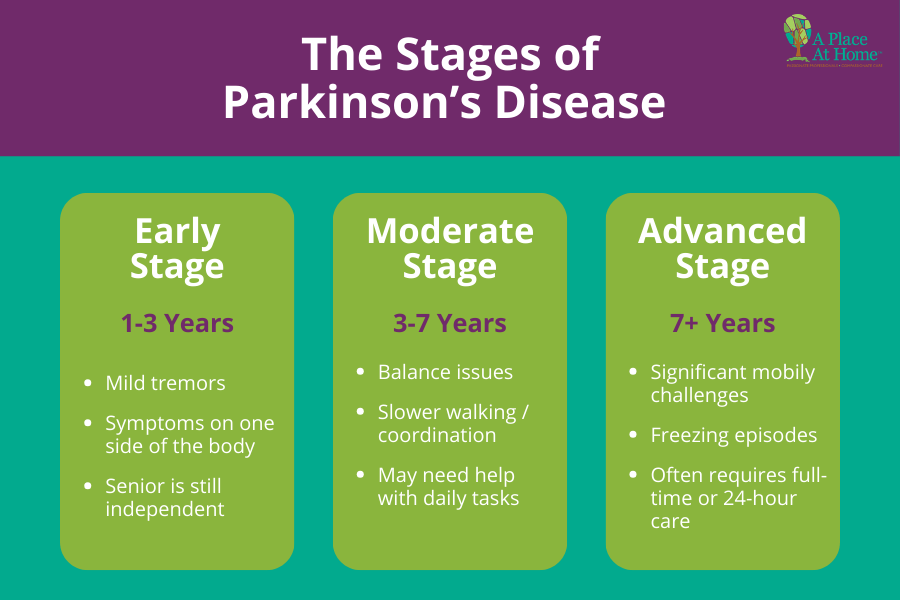
Parkinson’s Progression Timeline at a Glance
Early stage (1 to 3 years)
- Mild tremors, stiffness, or slowed movement
- Symptoms often affect one side of the body
- Most seniors remain fully independent
Moderate stage (3 to 7 years)
- Balance issues and increased fall risk
- Slower walking and reduced coordination
- May need part-time help with daily tasks
Advanced stage (7+ years)
- Significant mobility challenges
- Freezing episodes and possible cognitive decline
- Often requires full-time or 24-hour care
Understanding Parkinson’s Disease in Older Adults
Parkinson’s disease is a progressive neurological disorder that affects movement and develops as dopamine-producing cells in the brain gradually decline, according to the Parkinson’s Foundation. To better understand how it progresses, it’s important to look at what’s happening inside the brain and why symptoms can appear and worsen differently among those affected.
What Parkinson’s Does to the Brain
Parkinson’s disease develops as dopamine-producing cells in the brain gradually decline. Dopamine helps control smooth, coordinated movement. As levels decrease, the brain struggles to send clear signals to the body.
This leads to symptoms such as:
- Tremors
- Muscle stiffness
- Slowed movement (bradykinesia)
- Balance problems
Non-motor symptoms are also common and may include sleep issues, depression, constipation, fatigue, and cognitive changes.
Why Progression Often Looks Different in Seniors
Parkinson’s progression in older adults can feel faster due to several factors:
- Later diagnosis when symptoms are already advanced
- Coexisting conditions like arthritis or heart disease
- Reduced strength and resilience with age
- Higher risk of falls and hospitalization
Even if the disease progresses at a similar biological pace, these factors can make the impact more noticeable.

Is Parkinson’s Always Slow Progressing?
Parkinson’s is generally considered a slow-progressing disease, but not always. While some seniors experience gradual symptom changes over decades, others may decline more quickly due to:
- Late-stage diagnosis
- Early balance and gait issues
- Cognitive impairment or Parkinson’s-related dementia
- Limited access to care or therapy
This variability is why personalized care planning is essential.
Key Factors That Affect How Fast Parkinson’s Progresses
Although Parkinson’s disease follows a general pattern, the speed of progression can vary widely, especially in older adults. Several key factors influence how quickly symptoms develop and how significantly they impact daily life.
Several factors influence how quickly symptoms worsen:
- Age at diagnosis: Later diagnoses often mean more noticeable progression
- Overall health: Chronic conditions can accelerate decline
- Type of Parkinson’s: Tremor-dominant cases may progress more slowly
- Exercise habits: Regular activity helps maintain mobility and function
- Medication response: Effective symptom control can extend independence
- Early support: Proactive care reduces complications and fall risk
Together, these factors shape each person’s Parkinson’s journey, making individualized care and early planning essential for maintaining quality of life.
What Actually Slows Parkinson’s Progression?
While there is no cure, certain strategies can slow functional decline and improve quality of life:
Medication Management
Parkinson’s medications, such as Levodopa or dopamine agonists, help replace or mimic dopamine in the brain, reducing motor symptoms. Taking medications as prescribed and adjusting them with a doctor’s guidance can help maintain mobility and function for longer periods.
Regular Exercise
Physical activity is one of the most effective ways to slow functional decline. Exercises that focus on strength, balance, flexibility, and cardiovascular health can improve mobility, reduce stiffness, and lower the risk of falls. Even gentle activities like walking, stretching, or tai chi can be beneficial.
Targeted Therapies
- Physical therapy for movement and balance
- Occupational therapy for daily tasks
- Speech therapy for swallowing and communication
Healthy Lifestyle Habits
A balanced diet, adequate hydration, proper sleep, and mental stimulation all support brain and body health. These habits can help seniors manage symptoms and maintain energy and focus.
Fall Prevention
Home safety modifications and mobility support significantly reduce injury risk.
Consistent Daily Support
Having consistent support at home, from family caregivers or professional home care, ensures that daily routines, medications, and safety measures are followed. This proactive approach reduces complications, prevents falls, and allows seniors to remain as independent as possible.
Organizations like the Parkinson’s Foundation and the National Institute on Aging emphasize the importance of early intervention and ongoing care.
Early Warning Signs a Senior May Need More Help at Home
As Parkinson’s disease progresses, changes can happen gradually, making it easy to overlook when a senior needs additional support. Recognizing early warning signs can help families step in before safety, health, or quality of life are significantly impacted.
- Increased difficulty with daily tasks: Struggles with routine activities like dressing, bathing, cooking, or managing household chores may signal it’s time for extra help.
- Missed or incorrect medications: Parkinson’s medications often require precise timing. Missed doses or confusion about schedules can lead to worsening symptoms and should not be ignored.
- More frequent falls or balance issues: Even minor stumbles or a growing fear of walking can indicate declining mobility and an increased risk of serious injury.
- Noticeable changes in movement: Increased stiffness, slower walking, or “freezing” episodes can make it harder to move safely around the home without assistance.
- Cognitive or memory changes: Forgetfulness, confusion, or difficulty following conversations may point to cognitive decline, which can affect safety and independence.
- Weight loss or difficulty eating: Challenges with swallowing, reduced appetite, or trouble preparing meals can lead to poor nutrition and dehydration.
- Withdrawal or mood changes: Depression, anxiety, or social withdrawal are common in Parkinson’s and may worsen without proper support and engagement.
Identifying these signs early allows families to put the right care in place, whether that means occasional help around the house or more consistent, hands-on support. Proactive care can make a meaningful difference in helping seniors stay safe, comfortable, and independent for as long as possible.
When Is It Time to Consider In-Home Parkinson’s Care?
In-home care becomes beneficial when:
- Daily activities become difficult
- Fall risk increases
- Medication schedules become complex
- Family caregivers feel overwhelmed
- A recent hospitalization has occurred
Early support is key. Bringing in help before a crisis can prevent injuries, reduce stress, and help seniors maintain independence longer. If your loved one is starting to struggle with mobility or routines, even part-time care can make a meaningful difference.
Read: How In-Home Care Improves the Quality of Life for Seniors
Get the Support Your Loved One Deserves
Parkinson’s disease can present unique challenges for seniors and their families, but with the right care plan, symptoms can be managed, risks reduced, and quality of life preserved. Recognizing early warning signs, understanding progression, and putting supportive measures in place can make a meaningful difference in daily living.
For families seeking compassionate, professional support, in-home Parkinson’s care offers personalized assistance tailored to each senior’s needs. From help with daily activities and medication management to mobility support and companionship, professional caregivers provide the guidance and care seniors need to stay safe and comfortable at home.
If your loved one is living with Parkinson’s in the North Tucson, AZ area, A Place At Home – North Tucson can provide trusted, experienced in-home care designed to accommodate the unique needs of seniors affected by this condition. Schedule a consultation today to learn how our Parkinson’s home care services can help your family maintain independence, safety, and peace of mind.
Frequently Asked Questions (FAQs)
How long can an elderly person live with Parkinson’s?
Life expectancy for seniors with Parkinson’s varies widely and depends on overall health, age at diagnosis, and access to proper care. Many older adults live 10–20 years after diagnosis, especially when symptoms are managed with medications, therapy, and supportive care.
What stage of Parkinson’s requires home care?
Home care is often considered when a senior enters the moderate to advanced stages, typically when they experience mobility issues, frequent falls, difficulty with daily activities, cognitive changes, or complex medication routines. Early intervention can also be beneficial to prevent accidents and maintain independence.
Can Parkinson’s patients stay at home safely?
Yes, many seniors with Parkinson’s can remain safely at home with the right supports in place. This may include professional caregivers, home modifications, assistive devices, and ongoing supervision for mobility and medication management. Early planning and consistent care are key to maximizing safety and quality of life.