
If a doctor told you that a particular condition raised your risk of dementia by 60%, your risk of heart disease by nearly a third, and your overall risk of early death by 45%, you’d take it seriously. You’d make changes. You’d want to do something about it.
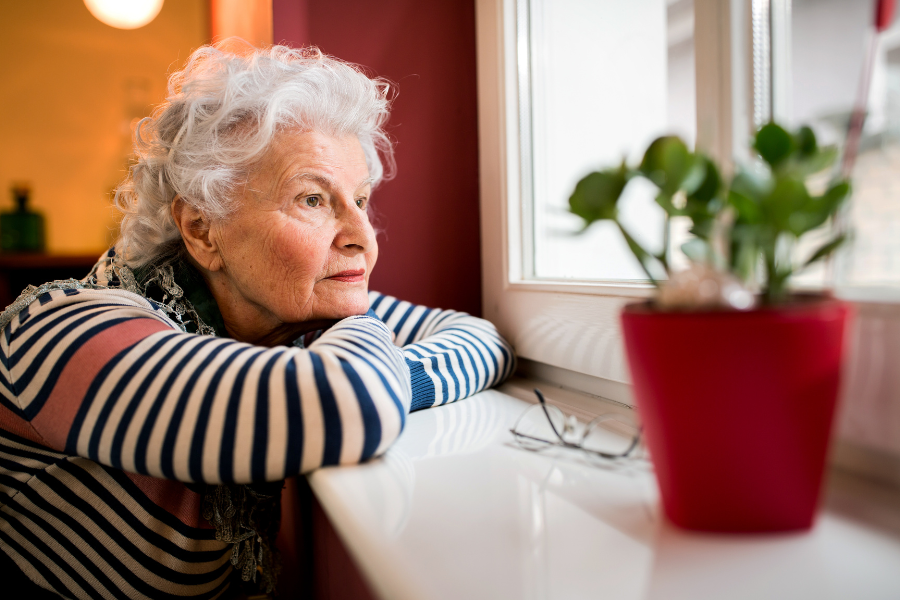
That condition is chronic loneliness. And it’s affecting older adults at epidemic levels.
Why It Happens
Isolation among older adults is rarely the result of a single dramatic event. It accumulates. A spouse passes away. Friends move or become less mobile. Driving becomes difficult or impossible. Children are busy with their own lives, often in other cities. Health issues make it harder to leave the house. The world gets smaller, gradually and often invisibly.
Many seniors experiencing profound loneliness don’t describe themselves as lonely. They’ve adapted. They fill the hours. They tell family members they’re fine. The quiet withdrawal is so gradual that it can take months or years to recognize from the outside.
What Isolation Does to the Body
The physical consequences of chronic social isolation are substantial and well-documented. Isolated older adults experience elevated stress hormone levels, disrupted sleep, weakened immune function, and greater inflammation — all of which accelerate the aging process and increase disease risk. The cognitive effects are equally serious: regular social engagement appears to be one of the more powerful protective factors against dementia, and its absence is a meaningful risk factor.
Perhaps most concerning, isolated seniors often experience appetite changes, medication noncompliance, and reduced motivation to maintain daily routines — a cluster of changes that quietly accelerates physical decline even in the absence of any new diagnosis.
What Connection Actually Looks Like
Connection doesn’t require elaborate social programming. For many older adults, what matters most is a consistent, warm, familiar human presence. A conversation over breakfast. Someone who remembers their stories and asks follow-up questions. Shared laughter. An activity done together. The simple experience of not being alone.
Professional caregivers provide this kind of connection as a natural part of their work — and the effects on mood, engagement, appetite, and even physical health can be significant.
If someone you love seems withdrawn, flat, or disconnected, it’s worth paying attention. Call A Place At Home – Fairfield South at (203) 301-8700 to talk about how regular companionship and care can make a difference.