
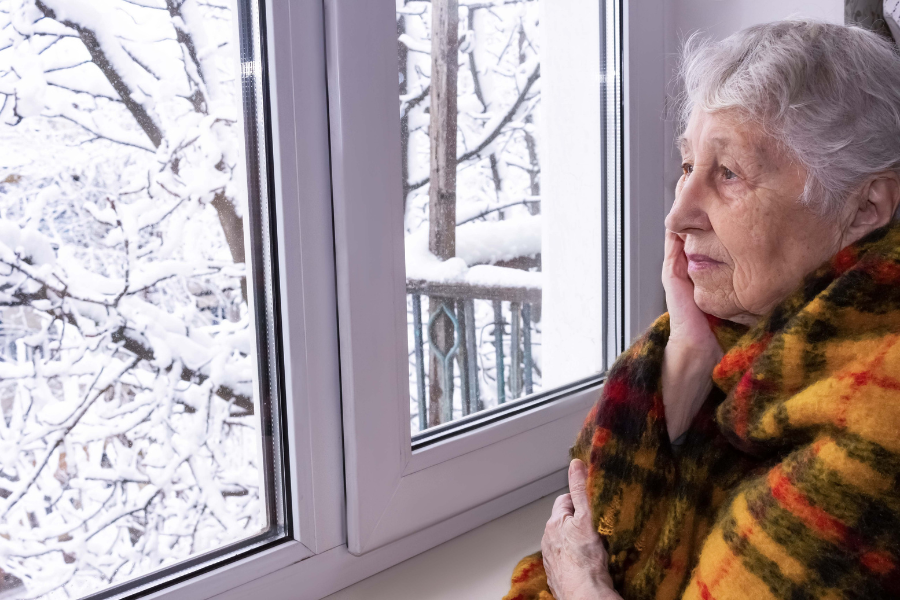
By the end of January, winter routines are well established. The holidays have passed, family visits may have slowed, and colder temperatures often keep seniors indoors more than usual. While this quieter season can be peaceful, it can also bring new challenges for older adults living at home.
Late January is a critical time to reassess how seniors are coping with winter and whether additional support could help improve safety, health, and emotional well-being. In-home senior care offers consistent, compassionate assistance that helps seniors remain comfortable and connected during the most challenging time of the year.
Why Late Winter Can Be Especially Challenging for Seniors
As winter progresses, seniors may experience increased risks that aren’t always immediately obvious. Common concerns include:
- Reduced mobility due to stiffness, cold weather, or limited activity
- Increased fall risk from winter clothing and indoor obstacles
- Missed medications or disrupted routines
- Social isolation and loneliness
- Fatigue or emotional changes related to shorter days
These challenges make elderly care at home especially valuable during this time of year.
How In-Home Care Supports Seniors Through the Winter Months
Professional home care for seniors adapts to seasonal needs, offering flexible support that promotes safety and quality of life.
- Mobility & Fall Prevention
Caregivers assist with safe movement around the home, transfers, and light exercise to help seniors maintain strength and balance during colder months.
- Daily Living & Household Support
Simple tasks like cooking, laundry, and housekeeping can feel overwhelming in winter. Caregivers help seniors stay comfortable and organized at home.
- Medication Reminders & Health Awareness
Winter routines can disrupt medication schedules. Medication management for seniors helps ensure prescriptions are taken correctly and on time.
- Companionship & Mental Well-Being
Regular companionship reduces loneliness and provides meaningful social interaction, an essential part of maintaining emotional health in late winter.
- Support for Family Caregivers
By late January, family caregivers may be feeling stretched thin. In-home care services offer relief and peace of mind, ensuring loved ones are supported even when family cannot be present.
A Smart Time to Reevaluate Care Needs
Many families wait until a crisis to seek help. Late January, however, is an ideal time for senior care planning. Adjusting support before minor issues become bigger problems helps seniors remain independent, and families stay confident in their care decisions.
Staying Connected Until Spring Arrives
Winter doesn’t have to mean isolation or increased risk. With the right level of in-home senior care, older adults can continue to live safely, comfortably, and with dignity in their own homes, even during the coldest months.
A Place At Home – Arlington & Alexandria is here to help families navigate winter with personalized care plans designed to support seniors and caregivers alike.